Understanding Generator Safety
Basics of Generator Operation – How Generators Work and Their Types
In the shadowed realm of modern necessity, generators stand as both saviors and silent threats—guardians of power in times of darkness, yet potential harbingers of peril if misunderstood. Understanding how generators work is essential to unlocking their true potential without inviting catastrophe. These mechanical marvels convert fuel into electrical energy through a complex dance of spinning rotors and magnetic fields, a process that, if mishandled, can turn a reliable source of power into a deadly hazard.
Generators come in various types, each with its own dark allure and specific safety considerations. For instance, portable generators are often used in South Africa’s unpredictable loadshedding, but they must be operated with caution. Their open design can emit carbon monoxide—a silent killer if used improperly. Standby generators, hidden outside homes, require a dedicated installation to prevent backfeeding and electrical faults. Understanding these distinctions is crucial in answering the question: are generators safe? The answer depends on respecting their mysterious inner workings and adhering to safety protocols that keep the shadows at bay.
Common Safety Concerns – Potential Risks Associated with Generators
Within the shadowed corridors of power, the question lingers—are generators safe? The answer is as intricate as the machinery itself. While these mechanical giants provide vital energy during South Africa’s unpredictable loadshedding, lurking dangers can turn a lifeline into a lethal trap. The silent menace of carbon monoxide, for instance, often goes unnoticed until tragedy strikes, especially with portable generators used indoors or near open windows.
Potential risks associated with generators are not merely whispers in the dark—they are real and formidable. Electrocution, fire hazards, and backfeeding threaten unwary operators who neglect safety protocols. To navigate this perilous terrain, awareness is paramount. Proper placement, regular maintenance, and adherence to manufacturer guidelines transform a dangerous tool into a safe and reliable ally in times of need. Ultimately, the answer to “are generators safe?” hinges on respect for their power and cautious stewardship of their capabilities.
Importance of Safety Precautions – Why Safety Measures Are Essential
In a landscape where power outages have become an almost inevitable chapter of daily life, the question persists—are generators safe? The answer is a labyrinthine tapestry woven with caution, respect, and understanding. Generators, when operated with due diligence, serve as resilient anchors amid South Africa’s unpredictable loadshedding. Yet, beneath their formidable exterior lies a potential for peril that demands vigilant awareness.
Safety precautions are not mere formalities but vital safeguards that transform a mechanical marvel into a trustworthy ally. Proper placement, for instance, is critical—never operate a generator indoors or near open windows, where carbon monoxide can silently infiltrate living spaces. Regular maintenance and adherence to manufacturer guidelines are equally essential, ensuring that the machinery functions within safe parameters and reduces the risk of fire or electrocution.
- Understanding the hazards associated with generators
- Implementing rigorous safety protocols
- Maintaining consistent checks and balances
In essence, the question of whether generators are safe hinges on the stewardship of their operators. When approached with caution and respect, these devices become not just sources of power but symbols of preparedness and resilience in a time of uncertainty.
Types of Generators and Safety Implications
Portable Generators – Safety Considerations and Best Practices
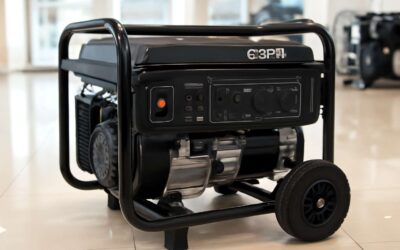
Within the sprawling realm of power solutions, portable generators stand as mighty stalwarts—yet their safety remains a question often shrouded in mystery. As the heartbeat of many South African households during load shedding, understanding if they are generators safe is crucial for both peace of mind and protection. These versatile contraptions come in various forms, from compact units perfect for camping to robust models capable of powering entire homes. Their design influences not only efficiency but also safety considerations that should never be overlooked.
Safety considerations for portable generators are paramount, especially given the potential risks associated with improper use. To mitigate hazards, it’s essential to adhere to best practices such as operating generators outdoors in well-ventilated areas and ensuring they are grounded properly. When used correctly, these devices can be a reliable lifeline without jeopardizing safety. Recognizing the different types of generators and understanding their specific safety implications can make the difference between a secure power source and a dangerous mishap.
Inverter Generators – Safety Features and Usage Tips
When considering if generators are safe, understanding the different types is crucial. Inverter generators, in particular, have gained popularity for their safety features and cleaner power output. Unlike traditional models, inverter generators produce stable electricity that is safe for sensitive electronics, making them ideal for home use during load shedding. Their compact design also minimizes the risk of accidents caused by bulky equipment.
Safety features in inverter generators often include automatic shut-off systems to prevent overloads, grounding indicators, and low-oil alerts. These elements serve as vital safeguards, reducing potential hazards. Proper usage, such as operating them outdoors in well-ventilated areas and ensuring they are grounded correctly, enhances safety even further. It’s worth noting that, with responsible handling, inverter generators can be a reliable, safe power source for South African households without compromising safety standards.
Standby Generators – Installation Safety and Maintenance
Standby generators, often towering like silent sentinels outside South African homes, demand respect and meticulous attention to safety. Their installation is a ritual that must be performed with precision, ensuring that electrical connections are secure and that the unit is grounded properly. An improper setup can transform a reliable power source into a potential hazard, risking electrocution or fire. Regular maintenance is equally vital—failing to service these giants can lead to fuel leaks, mechanical failures, or dangerous electrical faults. For those who wonder, are generators safe? The answer hinges on adherence to strict safety protocols and professional installation. This isn’t just about convenience during load shedding; it’s about safeguarding lives and property against unforeseen electrical mishaps. Properly maintained standby generators can be a steadfast ally in the battle against power outages, but only if their safety is prioritized at every step of their lifecycle.
Common Generator Safety Hazards
Carbon Monoxide Poisoning – Risks and Prevention
Beyond the initial thrill of backup power, a shadowy danger lurks when using generators — carbon monoxide poisoning. This silent, invisible threat can turn a moment of inconvenience into a tragic accident in the blink of an eye. Many people assume that outdoor use automatically means safety, but this misconception can be deadly. When a generator is operated in enclosed or poorly ventilated spaces, the risk of deadly carbon monoxide buildup increases exponentially.
To ensure that **are generators safe** in South Africa, understanding the risks is crucial. Carbon monoxide is a colorless, odorless gas, making it impossible to detect without proper equipment. It’s responsible for most generator-related fatalities, often occurring when individuals unknowingly breathe in harmful levels of the gas. The key to prevention lies in proper placement: always operate generators outdoors, away from open windows, vents, or doorways. Remember, even a slight misjudgment can have tragic consequences.
Some safety experts recommend using carbon monoxide detectors specifically designed for outdoor use around generators, providing an extra layer of protection. These devices can alert you to dangerous levels of the gas before it becomes a life-threatening issue. As the debate continues about **are generators safe**, awareness and vigilant safety measures prove to be the most effective safeguards against this unseen hazard.
Electrical Hazards – Shock and Fire Risks
Electrical hazards are among the most insidious dangers when it comes to generators. A single misstep can turn a routine power backup into a devastating shock or fire risk. Many underestimate how easily faulty wiring, damaged cords, or overloaded circuits can ignite a blaze or deliver a jolt that leaves lasting scars. Statistics reveal that electrical fires caused by generators spike during power outages, emphasizing the importance of vigilance.
To mitigate these hazards, it’s essential to recognize common warning signs and follow strict safety protocols. For instance, never use damaged extension cords or overload your generator’s capacity. Instead, consider these safety measures:
- Maintain proper grounding of your generator at all times.
- Ensure that all wiring is compliant with local electrical standards.
- Keep flammable materials well away from the generator during operation.
The question remains — are generators safe? The answer hinges on awareness and adherence to safety standards. When operated correctly, they can be reliable power sources, but neglect can quickly turn them into sources of tragedy. Vigilant safety practices are the key to preventing electrical hazards that threaten lives and property alike.
Fire Safety – Handling Fuel and Preventing Fires
One of the most overlooked dangers associated with generators is the risk of fire caused by mishandling fuel. In South Africa, where power outages are frequent, many rely on generators without fully understanding how to handle fuel safely. This lack of awareness can lead to catastrophic fires, especially when flammable liquids are stored improperly or exposed to heat sources. It’s crucial to remember that gasoline and diesel are highly combustible, and even a small spark can ignite a blaze.
To keep fires at bay, always store fuel in approved containers away from the generator and any heat sources. Never refuel a generator while it’s running or still hot—wait until it cools completely. Additionally, having a fire extinguisher nearby can make a significant difference in preventing small sparks from turning into full-blown fires. When considering the safety of generators, it’s clear that proper fuel handling is a fundamental component of fire safety, reinforcing the idea that are generators safe only when used with caution.
Mechanical Risks – Moving Parts and Injury Prevention
Generators are indispensable during South Africa’s frequent power outages, yet their mechanical intricacies pose significant safety challenges. One of the most overlooked hazards is the risk posed by moving parts—rotating shafts, belts, and blades—that can cause severe injury if mishandled. The question often arises: are generators safe when in operation? The answer hinges on understanding and respecting these mechanical risks.
Injury prevention begins with proper maintenance and awareness. Never attempt to service a generator while it’s running, and always disconnect the power supply before inspecting or repairing. Additionally, protective barriers or covers should be in place to prevent accidental contact with moving components.
- Always turn off and cool down the generator before performing any maintenance.
- Wear appropriate protective gear, such as gloves and safety glasses.
- Keep the area around the generator clear of debris and obstructions.
Recognizing these hazards underscores a vital truth: are generators safe only when operated with vigilance and respect for their mechanical risks. This approach not only safeguards users but also ensures the longevity of the equipment, reinforcing the idea that safety is a continuous, active commitment rather than a mere checklist.
Safe Operating Practices for Generators
Proper Placement – Outdoor Use and Ventilation
Safety with generators isn’t just about avoiding accidents—it’s about protecting your home and loved ones. Proper placement is crucial. Always position your generator outdoors, in a well-ventilated area. This prevents dangerous build-ups of carbon monoxide, which can be deadly if inhaled in enclosed spaces. Never operate a generator inside a garage, shed, or near windows or vents where fumes can seep indoors.
Choosing the right spot also involves keeping it away from flammable materials. A safe distance of at least 3 meters from your home is recommended. Ensure the area is flat, stable, and free from debris that could interfere with operation or cause tipping. Remember, ventilation is key. Good airflow prevents overheating and ensures the generator functions efficiently without risking safety.
- Place the generator outdoors in a dry, open space.
- Maintain a minimum distance of 3 meters from structures and windows.
- Ensure the area is free from combustible materials and obstructions.
- Check that the ventilation is unobstructed for optimal airflow.
Fuel Management – Handling and Storage Safely
Handling and storing generator fuel safely is a critical aspect of ensuring that “are generators safe” remains a genuine concern rather than a hazardous oversight. Fuel management isn’t just about convenience; it’s about preventing potential disasters that can arise from careless storage. Always use approved containers that are clearly labeled and stored in cool, dry, well-ventilated areas away from living spaces. Never store gasoline or diesel near open flames, heat sources, or electrical equipment—these are sparks waiting to ignite disaster.
Properly sealing fuel containers prevents leaks and spills, which could lead to fires or environmental contamination. For added safety, consider implementing a fuel rotation system to avoid stale fuel that can be unstable or cause engine issues. Remember, the key to understanding whether “are generators safe” extends to how well the fuel is managed—one small mistake can turn a routine backup into a catastrophe.
Grounding and Wiring – Ensuring Electrical Safety
When contemplating the question, “are generators safe,” few considerations are as pivotal as proper grounding and wiring practices. Electrical safety isn’t merely a technical detail; it is the fragile boundary between reliable backup power and catastrophic mishap. Grounding a generator correctly ensures that any stray electrical current has a safe pathway to earth, reducing the risk of shock and fire hazards. Improper wiring, on the other hand, can awaken latent faults that threaten both property and life, turning what should be a safeguard into a danger zone.
To mitigate these risks, meticulous attention must be paid to the grounding procedures—using grounding rods or mats that meet local standards—and ensuring all wiring is correctly rated and insulated. An often-overlooked element is the connection of the generator to the electrical system; a proper transfer switch is essential, preventing dangerous backfeed and protecting utility workers. When addressing the question of whether “are generators safe,” it’s the careful, deliberate execution of grounding and wiring that transforms a potentially hazardous piece of equipment into a reliable, safe source of power—one that instills confidence rather than trepidation. Remember, safety in electrical connections isn’t just a precaution; it’s an imperative woven into the very fabric of responsible generator use.
Regular Maintenance – Inspection and Servicing
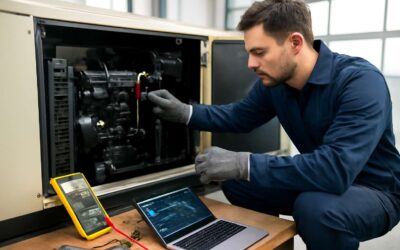
Ensuring your generator operates flawlessly isn’t just about plugging it in and hoping for the best. Regular maintenance, inspection, and servicing are the backbone of safe generator operation—especially when questions like “are generators safe” loom large. Over time, dust, moisture, and wear can silently erode vital components, turning what should be a reliable power source into a hidden hazard. A systematic approach to maintenance keeps these risks at bay, giving you peace of mind during power outages.
Incorporating routine inspections—checking fuel lines, fluid levels, and electrical connections—can prevent catastrophic failures. For added security, consider a maintenance schedule that includes:
- Replacing worn-out spark plugs and filters
- Testing safety features and circuit breakers
- Cleaning ventilation areas to prevent overheating
This proactive approach helps ascertain if your generator remains a safe, dependable asset—rather than a ticking safety time bomb. When maintenance is neglected, the potential for electrical faults and mechanical failure escalates, making the question “are generators safe” more relevant than ever. Regular servicing isn’t just routine; it’s the silent guardian against unforeseen hazards lurking within your generator’s core.
User Training – Educating Users for Safe Operation
Ensuring that your generator isn’t just a glorified paperweight but a genuinely safe power source requires more than just flicking the switch. Educating users about safe operating practices is the secret sauce to avoiding disaster, especially when the question “are generators safe” looms large. A well-trained operator knows the ins and outs, from proper starting procedures to shutdown protocols, reducing the risk of electrical faults or mechanical mishaps. Remember, a generator isn’t a toy—it demands respect and attention.
To foster safe operation, users should understand basic safety guidelines—like keeping the generator outdoors in well-ventilated areas and away from windows or vents. A little knowledge goes a long way in preventing carbon monoxide poisoning, a silent but deadly risk lurking when safety precautions are ignored. Incorporating simple training sessions can turn even the most novice user into a generator safety advocate. After all, the goal is to make sure that when you ask, “are generators safe,” the answer is an emphatic yes—thanks to proper user training and awareness.
Safety Accessories and Equipment
Carbon Monoxide Detectors – Installation and Importance
When it comes to safeguarding your home or business, the question “are generators safe?” isn’t just a trivial concern—it’s a matter of life and death. Installing proper safety accessories and equipment, like carbon monoxide detectors, is paramount in preventing silent killers from turning your peace of mind into a tragedy. With South Africa’s unpredictable power grid, generators have become as common as braais, but safety should never be compromised. Carbon monoxide detectors should be treated as non-negotiable allies, alerting you to invisible dangers lurking in the shadows of your generator operation.
Proper installation of these detectors involves placing them at head height within living spaces, especially near sleeping areas, to ensure prompt alerts in case of CO buildup. Remember, these devices are your first line of defense against the deadly gas that cannot be seen or smelled. Regular testing and battery checks are essential—think of it as giving your safety equipment a caffeine boost before each use. In the end, ensuring your setup includes reliable carbon monoxide detectors is the smartest way to answer the question: are generators safe?
Ground Fault Circuit Interrupters (GFCIs) – Enhancing Electrical Safety
In a landscape where power outages are as unpredictable as a sudden storm, ensuring your generator setup is secure becomes more than just a precaution—it’s a necessity. One often overlooked aspect of generator safety involves the use of essential safety accessories and equipment designed to prevent electrical mishaps. Ground Fault Circuit Interrupters (GFCIs) are among the most critical devices in this arsenal, capable of detecting imbalance currents that could lead to dangerous shocks or fires. Their presence offers a vital safety net, especially when operating portable or outdoor generators in South Africa’s diverse environment.
Properly installed GFCIs act as vigilant guardians, shutting down power before harm can occur. They are especially important in wet conditions or when grounding may be compromised, reducing the risk of electrical shock — an invisible threat that can escalate rapidly. Integrating these devices into your generator setup is a straightforward yet powerful step toward answering the question, “are generators safe?” with confidence. Remember, safety accessories like GFCIs don’t just protect equipment—they safeguard lives.
Proper Cords and Extension Cords – Selection and Usage Tips
Using the right safety accessories and equipment is crucial when evaluating whether generators are safe. Proper cords and extension cords are often overlooked but play a vital role in preventing electrical hazards. Always opt for heavy-duty, outdoor-rated extension cords that can handle the power load of your generator without overheating or causing sparks. These cords should have a grounded plug and be in good condition, free of cuts or frays.
To ensure safety and efficiency, consider the following selection and usage tips:
- Choose cords that match the wattage requirements of your appliances and generator output.
- Maintain a clear pathway—avoid creating trip hazards with tangled cords.
- Never connect multiple extension cords together to extend reach; instead, use a single, appropriate-length cord.
Investing in high-quality safety accessories reduces the risk of electrical shock and fire, making your generator experience safer and more reliable. When it comes to the question, “are generators safe?” proper cord management and equipment choice are fundamental. Remember, safety is a shared responsibility that begins with the right tools and vigilant usage.
Personal Protective Equipment – Safety Gear for Operation
When considering whether generators are safe, the importance of proper safety accessories and equipment cannot be overstated. Personal protective equipment (PPE) such as gloves, safety goggles, and insulated footwear are essential to safeguard against electrical shocks and accidental injuries during operation. These safety gear items serve as a barrier, reducing the risk of harm in unpredictable situations that can arise when dealing with power sources.
Equally vital are safety accessories designed specifically for generator use. Ground fault circuit interrupters (GFCIs) and surge protectors help prevent electrical faults and protect both the equipment and users. Using high-quality, outdoor-rated extension cords with grounded plugs ensures stable power delivery without overheating—an often overlooked aspect of generator safety. Proper placement of the generator, in well-ventilated outdoor areas, combined with the right safety gear, creates a safer environment for everyone involved.
- Always wear PPE when handling or operating your generator
- Use GFCIs and surge protectors to prevent electrical hazards
- Ensure cords are rated for outdoor use and in pristine condition
By prioritising these safety accessories and equipment, you’re taking a crucial step towards answering the question, “are generators safe?” with confidence. Safety in generator operation is a shared responsibility—one that begins with the right tools and vigilant attention to detail. In the rugged landscapes and bustling towns of South Africa, this awareness can make all the difference in protecting loved ones and preserving the reliability of your power supply.
Legal and Regulatory Safety Standards
Manufacturer Safety Certifications – UL, CSA, and Other Labels
In the shadowed corridors of modern power, the question lingers: are generators safe? Beneath their seemingly mundane exterior lies a labyrinth of standards and certifications designed to shield users from unseen dangers. Regulatory bodies such as UL (Underwriters Laboratories) and CSA (Canadian Standards Association) impose strict safety mandates that manufacturers must meet before their generators can be deemed trustworthy. These labels serve as silent guardians, whispering reassurance to those who dare to harness this formidable energy source.
When purchasing a generator, it’s imperative to scrutinize the safety certifications emblazoned on its surface. These symbols—UL, CSA, or other recognized safety labels—are not mere adornments but attestations of rigorous testing and compliance. They ensure the generator has passed fire safety, electrical safety, and durability tests, ultimately answering the question—are generators safe?—with a resounding affirmation. For consumers in South Africa, choosing products with reputable safety labels is a vital step in safeguarding lives and property amidst the unpredictable dance of power and darkness.
Building and Installation Regulations – Compliance Tips
Ensuring that a generator complies with legal and regulatory safety standards isn’t just a bureaucratic hoop to jump through—it’s a vital safeguard for your home and loved ones. In South Africa, building and installation regulations are designed to prevent disasters before they happen. These standards dictate where and how your generator should be installed, emphasizing ventilation, fire safety, and electrical integration. Ignoring such regulations isn’t just reckless; it can void warranties and leave you vulnerable to hefty penalties.
Compliance tips include consulting local authorities or certified electricians familiar with the National Building Regulations (NBR) and the South African National Standards (SANS). For example, proper grounding and secure mounting aren’t optional—they’re mandated to prevent electrical hazards. Remember, a generator that’s not installed according to these standards can turn a power outage into a dangerous situation. The question remains—are generators safe? When installed with adherence to these building and installation regulations, the answer is a confident yes.
Safety Warnings and Labels – Importance of Following Instructions
Safety labels and regulatory standards are the silent guardians of your generator’s integrity. When manufacturers affix safety warnings and instructions, they’re not just ticking legal boxes—they’re communicating crucial information that can prevent catastrophic accidents. In South Africa, adherence to these safety standards isn’t optional; it’s a moral obligation to protect your home and loved ones from harm.
Following the manufacturer’s instructions and warning labels is paramount. These guidelines are designed to alert users to potential hazards such as electrical shocks, fire risks, or carbon monoxide poisoning. Ignoring these warnings can turn a reliable power source into a dangerous liability, especially if safety labels are overlooked or misunderstood.
- Always read and understand safety instructions before operating a generator.
- Ensure warnings about ventilation and fuel handling are followed precisely.
- Regularly check safety labels for updates or changes to manufacturer recommendations.
When safety warnings are respected, the question—are generators safe—resolves into a clear yes. These labels and standards form an invisible shield, transforming a potentially hazardous device into a dependable power solution. Vigilance in following safety instructions is the secret ingredient that keeps generators functioning safely within the bounds of South African safety regulations.
Myth Busting and FAQs about Generator Safety
Are Portable Generators Safe for Indoor Use? – Debunking Myths
Many believe that portable generators are inherently dangerous, especially when used indoors. This misconception stems from fear rather than fact, often fueled by sensationalized stories and outdated information. The truth is, when used correctly, **are generators safe**? The key lies in understanding their design and purpose. Portable generators are primarily crafted for outdoor use because of their emission of carbon monoxide—a silent killer if misused. They are not intended for indoor environments, and using them inside can lead to tragic consequences. However, advancements in generator technology have introduced safety features like automatic shut-off systems and carbon monoxide detectors, which significantly reduce risks when operating outdoors.
Myth busting reveals that the question isn’t simply **are generators safe**, but rather “how safely are they used?” Proper placement, ventilation, and adherence to manufacturer safety guidelines are paramount. For instance, installing carbon monoxide detectors near generator placement can be a lifesaver. It’s crucial for users to understand that the safety of generators hinges on responsible operation and awareness of their limitations. When these precautions are observed, the risk diminishes drastically, turning the narrative around **are generators safe** from fear to fact.
Can Generators Overheat and Cause Fires? – Understanding Thermal Risks
When it comes to generator safety, myths can be as harmful as faulty wiring. A common question is: are generators safe from causing fires or overheating? The truth is, most generator fires originate from improper placement or fuel mishandling, not the device itself. Modern generators are equipped with safety features such as thermal overload protection and automatic shut-off systems that prevent overheating. These innovations significantly reduce the risk of fires, making them much safer when used correctly.
However, understanding the thermal risks is vital. Overheated generators can ignite nearby combustible materials if placed too close to flammable surfaces or in poorly ventilated areas. To mitigate these dangers, it’s wise to follow manufacturer safety guidelines and ensure proper ventilation.
- Regular maintenance
- Keeping the generator clean
- Monitoring temperature during use
These steps help prevent overheating and keep your generator functioning safely for years to come. The question isn’t just are generators safe, but how responsibly they are operated—because, when used with care, they can be a reliable lifeline during South Africa’s unpredictable weather.
FAQs about generator safety often touch on overheating. It’s reassuring to note that most incidents are preventable. Ensuring your generator has adequate airflow, isn’t overloaded, and is regularly inspected can make all the difference. In the end, safeguarding your home and loved ones depends on understanding and respecting these thermal risks, proving that the safety of generators is a matter of responsible use rather than inherent danger.
Is Regular Maintenance Necessary? – Ensuring Longevity and Safety
There’s a pervasive myth that all generators are ticking time bombs waiting to ignite. Yet, the truth is far more nuanced. Are generators safe? When manufactured and operated with care, they are remarkably reliable. Regular maintenance isn’t just a routine—it’s the very heartbeat of safety and longevity. By ensuring your generator is clean, well-maintained, and inspected periodically, you drastically reduce the risk of malfunctions that could compromise safety.
Many fears stem from misconceptions, but safety hinges on responsible operation. An easy way to reinforce this is through a simple maintenance schedule that includes checking fuel levels, inspecting electrical connections, and monitoring for signs of wear. This proactive approach transforms a potentially hazardous device into a dependable ally, especially during South Africa’s unpredictable weather. Ultimately, whether ensuring your generator is safe or not depends on your attentiveness—because a well-kept generator is a safe generator.
What to Do in Emergency Situations – Safety Protocols
Myth-busting time! A common misconception whispers that all generators are ticking time bombs—ready to explode with the slightest misstep. But the reality? When manufactured with quality standards and operated responsibly, are generators safe? The answer is a resounding yes—if you follow the safety protocols. Think of your generator as a well-behaved pet rather than a wild beast; it requires proper handling and regular check-ups.
Ever wondered what to do when the unexpected strikes? In emergency situations, quick thinking and calm action are your best allies. Remember, safety isn’t just about prevention but also about knowing the right steps to take if something goes awry. Here’s a simple safety protocol:
- Switch off the generator immediately.
- Ensure proper ventilation—never operate indoors or in enclosed spaces.
- Call emergency services if there’s a fire or gas leak.
Being prepared can turn a potential disaster into a minor inconvenience. So, are generators safe? Absolutely—if you understand what to do during emergencies and adhere to safety standards. Knowledge remains the most potent shield against hazards, transforming your generator from a risky contraption into a reliable, safe power source.

0 Comments