Understanding Tax Deductions for Equipment Purchases
Overview of Business Equipment Tax Deductions – Explanation of general tax deduction rules for equipment used in business
Understanding the intricacies of tax deductions for equipment purchases can feel like navigating a labyrinth—yet, for business owners, this knowledge is invaluable. In South Africa, the rules governing whether equipment such as generators are tax deductible hinge on their use and classification within the business framework. Typically, expenses incurred solely for business purposes qualify for deductibility, but the specific criteria often spark questions like, “Are generators tax deductible?”
In essence, the South African Revenue Service (SARS) permits deductions on equipment that directly supports business operations. For instance, if a generator is essential for maintaining uninterrupted service or safeguarding assets during power outages, it stands a good chance of being classified as a legitimate business expense. When considering this, it’s crucial to understand that the deduction isn’t automatic; proper documentation and adherence to tax regulations are vital.
Furthermore, the general rule is that equipment used exclusively for business can often be claimed under capital allowances or depreciation, meaning you may be able to deduct the cost over several years. This process ensures that the expense is spread out, aligning with the equipment’s useful life. In South Africa, specific categories and thresholds determine how these deductions are applied, making it essential to scrutinize the relevant tax legislation carefully.
Criteria for Deductibility – Key requirements for claiming equipment as tax deductible
In the intricate dance of fiscal responsibility, understanding the criteria for claiming equipment as tax deductible can feel like deciphering a complex symphony of regulations. When considering whether generators are tax deductible, the core principle remains straightforward: the equipment must serve a genuine business purpose. SARS looks for clarity and necessity—if a generator is vital for maintaining operations during power outages or safeguarding assets, it arguably qualifies as a legitimate expense.
To strengthen your claim, meticulous documentation is essential. This includes invoices, proof of use, and records demonstrating that the generator is exclusively used for business activities. In many cases, businesses can opt to claim capital allowances, which spreads the deduction over the useful life of the equipment. It’s a nuanced process, but one that can significantly reduce taxable income when approached with precision and understanding.
- Verify that the generator is used solely for business purposes.
- Ensure proper documentation supports the expense claim.
- Consult relevant tax legislation for thresholds and depreciation rules.
Ultimately, the question remains—are generators tax deductible? The answer hinges on their role within your enterprise and adherence to SARS regulations, making it a compelling inquiry for any business owner seeking to optimize their tax strategy.
Relevant Tax Laws and Guidelines – Review of IRS rules regarding deductions for business assets
Understanding the rules around tax deductions for equipment purchases is crucial for any savvy business owner. When it comes to whether generators are tax deductible, the key lies in compliance with specific tax laws and guidelines. In South Africa, SARS has clear regulations regarding deductions for business assets, emphasizing that the equipment must be used for genuine business purposes.
For instance, the Income Tax Act allows businesses to claim deductions on assets that are necessary for operations. The rules often specify thresholds and depreciation allowances, making it vital to review the relevant legislation. Generally, the question “are generators tax deductible” hinges on their role within your enterprise. If a generator is used solely for business activities, it is more likely to qualify for deductions.
- Verify that the generator is used exclusively for business purposes.
- Maintain detailed documentation, including invoices and proof of use.
- Consult SARS guidelines on depreciation and capital allowances applicable to generators.
By understanding these tax laws and adhering to them, your business can maximize deductions without risking non-compliance. The clarity provided by these regulations helps ensure that claiming generators as tax deductible aligns with legal requirements, ultimately supporting your financial strategy.
Are Generators Considered Tax Deductible?
In the intricate dance of fiscal responsibility and entrepreneurial innovation, the question often arises: are generators tax deductible? While many presume that any equipment used for business might qualify, the reality is layered with nuance. Generators—particularly in South Africa, where power outages are a persistent challenge—serve as more than mere convenience; they become vital assets for maintaining operational continuity. This raises an intriguing inquiry about their tax status.
To understand whether a generator is tax deductible, one must consider its primary use. If it’s employed exclusively for business purposes, the expense could potentially be claimed as a tax deduction. However, personal use muddles this eligibility. The South African Revenue Service (SARS) scrutinizes such claims meticulously, requiring detailed proof of the generator’s role in generating income or supporting business activities.
For those navigating this complex terrain, it may prove useful to remember that:
- Business-related generators are often considered capital assets.
- Claiming depreciation can sometimes provide a pathway to tax deductions.
- Personal use of a generator generally disqualifies it from tax deduction status.
The distinction hinges on intent, use, and documentation—elements that transform a simple purchase into a potentially deductible expense, or leave it non-deductible if misclassified. The labyrinth of tax legislation ensures that every claim must be carefully justified, especially in a landscape where unpredictable power outages underscore the importance of reliable backup solutions.
Factors Affecting Generator Tax Deductibility
Personal vs. Business Use – How usage determines deductibility
The line between personal and business use can significantly impact whether a generator is tax deductible. If a generator is used primarily for business purposes, it’s much easier to justify its deductibility. This often means the equipment is essential for operations, such as powering tools at a construction site or backup power for a small business. Conversely, if the generator is used mainly for personal activities—like camping trips or home emergency backup—it usually doesn’t qualify for a tax deduction.
In South Africa, the tax laws are clear: the key factor is the proportion of use dedicated to business activities. For example, if 70% of the generator’s use is for business, then you may be able to claim 70% of its cost as a deduction. Some taxpayers opt for detailed logs to track usage, ensuring their claims stand up to scrutiny. Remember, the IRS and South African Revenue Service (SARS) scrutinize these claims carefully. So, understanding how usage determines whether a generator is tax deductible is crucial to maximizing your benefits!
Type of Generator – Differences between portable, standby, and commercial generators
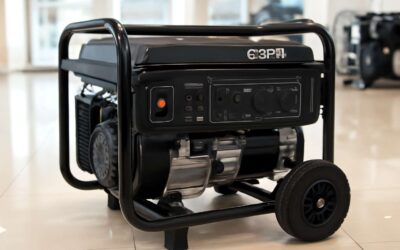
The type of generator you own can dramatically influence whether it is considered tax deductible. Portable generators, known for their mobility and ease of use, are often associated with personal activities like camping or home backup. These rarely qualify for a tax deduction unless they are explicitly used for business purposes. In contrast, standby generators—those permanently installed to keep businesses running during power outages—are more likely to be classified as business assets. Their primary role in ensuring operational continuity makes them a strong candidate for tax deductibility.
Commercial generators take this a step further. Designed for heavy-duty use in industries such as construction or manufacturing, these units are almost always viewed as essential business equipment. Their role in supporting revenue-generating activities aligns with the criteria for tax deductions. The critical factor hinges on how the generator is used—if it’s integral to your business, then the question, “are generators tax deductible?” often has a positive answer.
Understanding these distinctions is vital. The South African Revenue Service (SARS) scrutinizes the purpose behind equipment purchases, especially when it comes to generators. Remember, the key is in the usage—whether the generator is an indispensable component of your business operations or a personal convenience. The nature of your generator, combined with its primary function, can make all the difference in your tax deduction claims.
Purchase Method and Timing – Impacts of cash vs. financed purchases and timing for deductions
The nature of your generator purchase can significantly influence whether it qualifies as a tax deduction—especially in a landscape where financial prudence and strategic planning intertwine. When considering if a generator is tax deductible, the method of acquisition isn’t just a matter of convenience; it’s a decisive factor. Cash purchases often allow for immediate deductions, simplifying the process and providing instant relief during tax season. Conversely, financed purchases introduce nuances—deductions are typically spread out over the loan’s term, aligning with the depreciation schedule mandated by South African tax authorities.
Timing plays a crucial role as well. The year in which the generator is purchased and put into use determines the fiscal impact. If a generator is acquired late in the tax year, it might be wise to consider whether to accelerate the purchase to maximize deductions within that period. The key question remains: are generators tax deductible? The answer hinges on how and when they are purchased, underscoring the importance of strategic financial planning to unlock potential tax benefits.
Deductions for Generators in Business
Section 179 Deduction – How Section 179 allows immediate expense deductions for generators
When contemplating the financial implications of acquiring a generator, one often wonders: are generators tax deductible? The answer lies in the realm of Section 179 of the tax code, which transforms the way businesses can approach asset purchases. This legislation enables businesses to deduct the full purchase price of qualifying equipment, including generators, in the year of acquisition—no waiting for depreciation over several years. It’s almost an act of fiscal liberation, allowing immediate expense deductions that can significantly bolster cash flow.
For businesses considering the purchase of portable, standby, or commercial generators, understanding the nuances of Section 179 is crucial. If the generator is used predominantly for business purposes, chances are high that it qualifies for this immediate deduction. Remember, the key is the equipment’s eligibility and the percentage of business use. With proper documentation, claiming that generators are tax deductible becomes a straightforward process, turning a hefty investment into a strategic advantage.
MACRS Depreciation – Applying Modified Accelerated Cost Recovery System for generator depreciation
When it comes to depreciation, generators often find themselves caught between the rock of hefty upfront costs and the hard place of tax benefits. Enter MACRS—the Modified Accelerated Cost Recovery System—an IRS-approved method that makes claiming depreciation on generators less of a chore and more of a strategic advantage. Instead of waiting years to recoup your investment, MACRS allows for accelerated depreciation, meaning you can write off a significant portion of your generator’s value in the first year. This isn’t just accounting magic; it’s a fiscal lifeline for many South African businesses looking to optimize cash flow.
Under MACRS, generators—whether portable, standby, or commercial—fall into specific asset classes that determine their depreciation schedule. Typically, these assets are categorized as five-year property, enabling a faster write-off. Here’s how it might look in practice:
- Calculate the generator’s purchase price.
- Identify the appropriate MACRS depreciation schedule for that asset class.
- Apply the IRS’s accelerated depreciation percentages to claim larger deductions early on.
By leveraging MACRS depreciation rules, businesses can turn a substantial capital expenditure into a tax-efficient investment, all while ensuring their generator is ready to power through South Africa’s unpredictable load shedding. So, are generators tax deductible? Absolutely! With proper understanding and documentation, MACRS depreciation transforms what could be a financial burden into a strategic advantage—making your generator purchase both practical and profitable.
Bonus Depreciation – Eligibility and benefits of claiming bonus depreciation on generators
In the realm of business finance, leveraging tax incentives can feel like wielding a secret weapon. When it comes to generators, many South African entrepreneurs wonder: are generators tax deductible? The answer is a resounding yes—particularly when bonus depreciation is involved. This powerful tax tool allows businesses to accelerate the deduction process, transforming a significant capital outlay into immediate fiscal relief.
Claiming bonus depreciation on generators is not just about lowering your tax bill; it’s about unlocking cash flow for growth and resilience. To qualify, the generator must meet specific criteria, including being used predominantly for business purposes. Eligible assets typically include portable, standby, or commercial generators that are new or used but acquired after a certain date. The benefits are compelling—immediate deductions can substantially reduce taxable income, freeing up funds to invest back into your enterprise.
For businesses purchasing generators, understanding the nuances of bonus depreciation can be a game-changer. Here are some key points to consider:
- Bonus depreciation allows for a substantial percentage of the purchase price to be deducted in the first year, often up to 100% for qualifying assets.
- This accelerated deduction is applicable to new and used generators, provided they meet certain acquisition and use criteria.
- Timing is critical—purchasing early in the tax year maximizes the benefit, helping to offset income sooner rather than later.
In South Africa, where power stability remains a challenge, harnessing bonus depreciation to claim deductions on generators is a strategic move. It turns what might seem an overwhelming expense into a potent tool for financial agility. So, are generators tax deductible? With bonus depreciation, the answer becomes clearer—and more advantageous—than ever before.
Deductions for Generators for Home Use
Home Office and Business Use – Conditions under which personal generators can be partially deducted
When considering whether personal generators can be partially deducted for tax purposes, it’s essential to understand the nuances of their use. Many homeowners and small business owners in South Africa wonder, “are generators tax deductible?” The answer hinges on how and where the generator is used. If a generator is primarily used for business purposes—such as powering a home office or supporting a small enterprise—there’s a strong possibility it qualifies for some level of tax deduction.
In such cases, the key condition is that the generator must be used directly for generating income or supporting income-producing activities. For instance, a generator used exclusively to keep a home-based business operational during outages may be eligible for a partial deduction. Conversely, if the generator is used solely for personal convenience, such as powering a weekend retreat, it generally does not qualify. The boundary between personal and business use can sometimes be blurred, so meticulous record-keeping becomes crucial to substantiate any claim.
Rental Property Use – Deductibility of generators used in rental properties or vacation homes
For property owners who rely on generators to keep their rental units or vacation homes operational, the question often arises: are generators tax deductible? The answer varies depending on how the equipment is used and the purpose it serves. If a generator is installed primarily to ensure the continuous income flow from a rental property or to improve the comfort and appeal of a vacation home, there’s a strong case for deductibility.
In South Africa, the tax laws recognize the importance of maintaining income-generating assets, and generators used solely for such purposes often qualify for deductions. For example, a standby generator powering a rental property during outages can be considered an essential expense, thereby making it eligible for tax deduction. On the other hand, if the generator is used for personal leisure or convenience, the likelihood of claiming it as a deduction diminishes significantly.
Understanding the boundary between personal and rental property use is crucial. Detailed records of expenses and usage patterns serve as vital evidence to substantiate any deduction claim. Ultimately, whether a generator used in rental property or vacation homes qualifies as a tax deductible expense hinges on its primary purpose and how meticulously usage is documented.
Mixed-Use Scenarios – Handling deductions when generators are used for both personal and business purposes
When a generator serves both personal comfort and business needs, navigating the realm of tax deductions can feel like walking a tightrope. In South Africa, the key question remains: are generators tax deductible when used in mixed scenarios? The answer hinges on the primary purpose of the equipment. If the generator predominantly powers a rental property during outages or supports a home office, there’s a compelling case for claiming a deduction.
However, if the generator is primarily for personal leisure or convenience, the likelihood of claiming it as a tax deduction diminishes. To make an accurate assessment, meticulous records of usage and expenses are essential. This documentation helps establish whether the generator’s use aligns more with generating income or personal enjoyment. Ultimately, clarity about the generator’s main purpose and diligent record-keeping are vital in determining if it qualifies as a tax-deductible expense.
Documentation and Record-Keeping for Tax Deductions
Receipts and Purchase Records – Importance of keeping detailed proof of purchase
When it comes to claiming a generator as a tax deduction, thorough documentation is your strongest ally. The South African tax landscape emphasizes the importance of keeping detailed proof of purchase, ensuring that every claim is backed by credible evidence. Receipts and purchase records serve as tangible proof that your generator was acquired for business purposes, making it easier to substantiate your deduction during an audit or review.
To streamline the process and avoid pitfalls, consider adopting a systematic record-keeping approach. Maintain organized files—both physical and digital—that include invoices, bank statements, and payment proofs related to your generator purchase. This meticulous documentation not only facilitates compliance with South African Revenue Service (SARS) regulations but also simplifies the calculation of the deductible amount, especially when dealing with mixed-use or depreciable assets.
- Ensure receipts clearly specify the date, amount, and item description.
- Record the purpose of the generator’s purchase—whether for a rental business, commercial operation, or other income-generating activity.
- Keep a log of usage that delineates between personal and business use, supporting claims for partial deductions.
In the realm of tax deductions, comprehensive record-keeping transforms the often complex task of proving expenses into a straightforward process. When you keep detailed purchase records, you elevate your position—making it unequivocally clear that your generator expenses are legitimate and compliant with South African tax laws. Truly, diligent documentation is the cornerstone of confidently asserting that are generators tax deductible!
Usage Logs – Tracking generator use to justify deductions
In the intricate dance of fiscal responsibility, meticulous documentation transforms the seemingly mundane task of record-keeping into a powerful tool for safeguarding your financial interests. When considering whether are generators tax deductible, the key lies in how convincingly you can chronicle their use. Usage logs become your narrative—each entry a thread weaving the story of your generator’s role in your business tapestry.
By diligently tracking how and when your generator fuels your enterprise, you create a compelling case for deduction. For instance, maintaining an organized log that details daily operation hours, specific projects, or rental periods can substantiate your claim. This clarity is especially crucial in scenarios where generators serve dual purposes—personal and commercial—demanding precise records to differentiate usage.
In South Africa, where the tax landscape demands transparency, keeping comprehensive usage logs not only ensures compliance but also simplifies the process of claiming deductions for your generator. Whether you employ a simple notebook or a sophisticated digital tracking system, the goal is to craft a transparent trail—one that reassures SARS of your genuine business expenses. After all, when it comes to the question of are generators tax deductible, thorough record-keeping is your secret weapon, turning complex proofs into a simple, elegant narrative of your business’s vitality!
Consulting Tax Professionals – When to seek expert advice for maximizing deductions
In the shadowy corridors of fiscal responsibility, the true power lies in meticulous documentation. When contemplating whether generators are tax deductible, the key is how convincingly you can substantiate their use. Consulting a tax professional becomes not just advisable but essential when navigating the labyrinth of South Africa’s tax laws. Their expertise can illuminate the obscure pathways of allowable deductions, ensuring your records align with the stringent demands of SARS.
Engaging a seasoned tax advisor can help identify nuanced opportunities—such as distinguishing personal from business use—that might otherwise be overlooked. They can guide you on maintaining detailed records, from precise usage logs to comprehensive purchase receipts. Remember, the devil is in the details, and an expert’s eye can transform your documentation from mere paperwork into a formidable shield against audits.
- When your generator serves both personal and commercial functions, professional advice ensures you allocate deductions correctly.
- Seeking expertise early can prevent costly missteps, especially when considering complex depreciation methods like MACRS or bonus depreciation.
- Tax professionals can help you determine the optimal timing for deductions, especially if you’ve financed your generator or purchased it via Section 179.
In the dim-lit world of tax deductions, trusting a professional is your safeguard—your secret weapon—against the unpredictable shadows of the tax authority. After all, understanding whether generators are tax deductible requires more than just knowing the law; it demands an astute interpretation, a keen eye, and a mastery of record-keeping that only seasoned experts can provide.
Common Mistakes and IRS Audits
Overstating Deductions – Risks of claiming ineligible expenses
Claiming deductions for generators can feel like walking a tightrope—one misstep and the IRS could come crashing down with an audit. A common mistake is overstating expenses or claiming ineligible deductions, which can trigger serious scrutiny. The IRS is particularly vigilant about whether the generator is used solely for business purposes or if personal use distorts the deduction. Overestimating business use hours or failing to keep detailed logs can turn a legitimate claim into a red flag.
To avoid these pitfalls, it’s crucial to understand that only the business-related portion of generator expenses is tax deductible. For example, a portable generator used exclusively for a rental property might qualify, but mixing personal and business use can complicate the claim. Remember, the IRS has strict guidelines, and overstating deductions—whether intentionally or by mistake—can lead to costly audits and penalties.
Insufficient Documentation – How poor record-keeping can cause issues
In the complex dance of tax deductions, poor record-keeping can turn a promising claim into a potential audit nightmare. When it comes to determining if generators are tax deductible, the lack of detailed documentation can be a critical flaw. The IRS’s scrutiny intensifies when expenses seem exaggerated or lack concrete proof, especially in cases where the generator’s use straddles personal and business boundaries.
Insufficient records not only jeopardize the legitimacy of a deduction but also open the door for costly penalties. To stay on the right side of tax laws, it’s essential to maintain meticulous receipts and purchase records. Usage logs, in particular, serve as vital evidence, illustrating exactly how and when the generator was used for business. Without this disciplined approach, even legitimate claims can be questioned, emphasizing that the devil truly is in the details.
Remember, when the IRS audits, they often seek clarity on whether the generator’s primary purpose aligns with the deduction claimed. If records are vague or incomplete, the risk that they will disallow the deduction increases exponentially. Ultimately, thorough documentation isn’t just a bureaucratic chore; it’s a safeguard that preserves your right to claim expenses—and keeps your financial integrity intact.
Misclassification of Assets – Ensuring generators are correctly categorized for tax purposes
In the labyrinth of tax regulations, misclassification of assets can be a silent saboteur. For businesses pondering the question, are generators tax deductible, the devil often lurks in the details of how they’re categorized. An incorrectly classified generator—mistakenly treated as personal property rather than business equipment—can lead to a cascade of complications during an audit. The IRS scrutinizes asset classification with eagle eyes, seeking clarity on whether the generator’s primary purpose aligns with the deduction claimed.
When it comes to generators, clarity is paramount. Portable, standby, or commercial models each fall into different tax treatment categories, and confusion here can be costly. An improper classification might mean missed opportunities for deductions or, worse, penalties for misreported assets. To avoid this, a careful review of the asset’s use, purchase method, and intended purpose is essential. Proper categorization ensures that your claim is both legitimate and resilient against an IRS audit, preserving your financial integrity and peace of mind.

0 Comments