Understanding Power Generation Options
Types of Generators – Different types such as portable, standby, inverter, and industrial generators
Power generation is the heartbeat of modern life, but not all sources pulse with the same rhythm. When it comes to generators and solar panels, understanding the different types of generators is crucial for ensuring reliable energy, whether for a remote farm in South Africa or a bustling urban home. Each type of generator offers unique advantages, tailored to specific needs and environments.
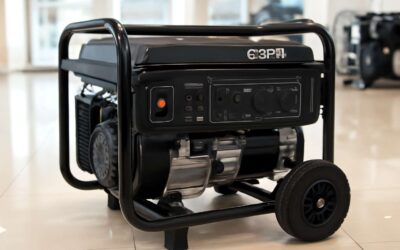
Portable generators are the chameleons of the energy world—compact, lightweight, and easy to transport. They’re perfect for camping trips, outdoor events, or emergency backup, providing instant power wherever it’s needed. Standby generators, on the other hand, are the silent giants that sit snugly outside your home, automatically kicking in when the grid falters, offering peace of mind during South African outages.
Inverter generators are the maestros of efficiency, producing clean, stable power ideal for sensitive electronics. Industrial generators, sprawling and robust, power entire factories or large-scale projects. Incorporating the right generator into your setup alongside solar panels can amplify energy independence, especially in off-grid locations where reliable power is a precious commodity.
Types of Solar Panels – Overview of monocrystalline, polycrystalline, and thin-film solar panels
Solar panels are the silent revolutionaries of energy, silently soaking up South Africa’s abundant sunshine while you go about your day. But not all solar panels are created equal—each type has its own personality and quirks, much like the diverse landscape of the country itself. Understanding the differences between monocrystalline, polycrystalline, and thin-film solar panels can make the difference between a reliable power source and a solar flop.
Monocrystalline solar panels are the high-rollers—sleek, efficient, and a tad more expensive. They’re made from a single crystal of silicon, which allows them to convert sunlight into electricity with impressive precision. Polycrystalline panels, on the other hand, are like the charming, slightly less refined siblings—less costly but still capable of soaking up the sun effectively. Lastly, thin-film solar panels are the chameleons of the bunch; lightweight, flexible, and perfect for unconventional surfaces or when budget constraints are tight.
When choosing between these solar panel types for your generator setup, consider your specific energy needs and environmental conditions. For those off-grid adventures or rural farms in South Africa, pairing a reliable generator with the right solar panels can mean the difference between power dependency and energy independence. And trust me, in a land where sunshine is plentiful, harnessing it efficiently is no longer just an option—it’s a necessity.
How Generators Work – Mechanism, fuel types, and applications
Power generation is the heartbeat of modern life, especially in South Africa where sunlight pours generously across the landscape. Understanding how generators work unveils a symphony of mechanical and electrical processes, transforming fuel into reliable energy. Whether fueled by petrol, diesel, propane, or natural gas, these machines operate by converting fuel combustion into rotational motion via an internal engine. This motion then spins a rotor within a stator, generating the electrical current that powers homes, farms, and businesses alike.
For those seeking versatility, portable generators offer a nimble solution, while standby models provide a steadfast anchor during outages. Inverter generators, with their sophisticated electronics, produce cleaner power ideal for sensitive electronics. The choice hinges on your specific application, environmental conditions, and energy demands. When paired with solar panels, these generators create a harmonious dance of sustainable and traditional power sources, ensuring energy resilience even in the most remote corners of South Africa.
In this dance of energy options, it’s essential to recognize the variety of fuel types available and their respective applications. For example, a rural farm might benefit from a robust diesel generator, seamlessly integrating with solar panels to maximize efficiency and reduce reliance on grid power. As the sun rises each day over the Karoo or KwaZulu-Natal, so too does the promise of renewable energy, with solar panels capturing the abundant sunshine and generators providing a dependable backup when clouds gather or energy needs spike.
How Solar Panels Work – Photovoltaic technology and energy conversion process
In a land where the sun blazes fiercely over the Karoo and KwaZulu-Natal, harnessing solar power isn’t just a futuristic dream — it’s a practical reality. Solar panels, the shining stars of renewable energy, operate on photovoltaic technology, transforming sunlight directly into electricity with remarkable efficiency. This energy conversion process is akin to a high-stakes game of solar poker, where photons from the sun are the players, and electrons are the chips being shuffled into usable power.
As sunlight hits the surface of solar panels, it excites electrons within the photovoltaic cells, creating an electric field. This process generates direct current (DC), which then requires an inverter to convert it into alternating current (AC) — the kind of power that keeps your fridge humming and your Wi-Fi alive. For those interested in maximizing efficiency, the choice of solar panels—be it monocrystalline, polycrystalline, or thin-film—can significantly influence energy output and cost-effectiveness. After all, in South Africa’s sunny climate, smart solar panel selection ensures you get the most bang for your buck.
Combining solar panels with generators and solar panels creates a symphony of sustainable and traditional power sources. When clouds hide the sun or energy demands spike unexpectedly, generators step in to ensure uninterrupted power. This hybrid approach not only leverages South Africa’s abundant sunshine but also provides a reliable backup, making it an ideal solution for farms, remote homes, or bustling businesses eager to cut reliance on the grid.
Advantages and Disadvantages
Pros and Cons of Generators – Reliability, noise levels, fuel dependency, and maintenance
In the realm of energy solutions, generators stand as steadfast guardians of power, yet their reliability can sometimes be a double-edged sword. When the grid falters, a well-maintained generator becomes a beacon of dependability, ensuring your home or business remains illuminated amidst darkness. However, this reliability comes at a cost—fuel dependency—requiring a constant supply that can strain resources and wallets, especially in remote areas of South Africa where fuel prices fluctuate unpredictably.
Noise levels also merit consideration; traditional generators often produce a cacophony that disrupts the tranquility of rural or residential settings. While inverter generators tend to be quieter, they might not always meet the energy demands of larger applications. Maintenance is another crucial aspect—regular servicing is essential to keep generators and solar panels operating at peak efficiency, but neglected upkeep can lead to costly breakdowns.
Ultimately, weighing the pros and cons of generators involves balancing their unwavering reliability with the practical challenges they pose. For those seeking a quieter, eco-friendlier alternative, solar panels emerge as a compelling option—yet, they too have their limitations. When choosing between these energy titans, understanding their advantages and disadvantages ensures you harness only the best power for your needs.
Pros and Cons of Solar Panels – Cost savings, environmental impact, efficiency, and weather dependence
Solar panels, shimmering like a promise of a cleaner future, offer a compelling alternative to traditional generators. Their ability to transform sunlight into usable energy fosters a sense of independence, especially in remote South African regions where grid access remains a challenge. The allure of cost savings over time is undeniable; once installed, solar panels require minimal ongoing expenses, making them an eco-friendly investment that pays dividends in both savings and sustainability.
However, their efficiency is not foolproof. Weather dependence means cloudy days and rainy seasons can significantly reduce energy output, requiring supplementary power solutions. While advances in photovoltaic technology have improved the efficacy of monocrystalline and polycrystalline solar panels, no system is immune to the caprices of nature. For those seeking a harmonious blend of affordability and environmental responsibility, solar panels provide a luminous pathway—yet, understanding their limitations is essential for making an informed choice amidst the complex dance of energy needs.
- Cost savings—long-term reduction in electricity bills.
- Environmental impact—minimal carbon footprint and renewable source.
- Efficiency—improved with technological innovations in photovoltaic materials.
- Weather dependence—performance dips during cloudy or rainy days, necessitating backup options.
Hybrid Systems – Combining generators and solar panels for optimal power supply
Hybrid systems, combining generators and solar panels, offer a strategic edge in ensuring uninterrupted power supply. In South Africa’s unpredictable climate, relying solely on solar panels can leave gaps during cloudy or rainy days. A hybrid setup bridges this gap, maximizing efficiency and reliability. This approach harnesses the best of both worlds—clean, renewable energy from solar panels and the dependable backup of traditional generators.
One significant advantage is cost efficiency over time. While solar panels reduce reliance on fuel, generators provide immediate power during low sunlight periods. This synergy helps avoid costly outages and keeps essential appliances running smoothly. For those seeking a resilient energy solution, hybrid systems are an attractive choice. They adapt to fluctuating weather conditions and ensure consistent energy flow without the need for constant manual intervention.
- Enhanced reliability during adverse weather.
- Reduced fuel dependency thanks to solar energy.
- Flexible power management tailored to specific needs.
However, integrating generators and solar panels isn’t without challenges. Initial setup costs can be higher, and maintenance becomes more complex with two systems in play. Still, for remote farms or urban areas where power stability is critical, hybrid systems deliver peace of mind—proving that combining traditional and renewable sources is a smart move in today’s energy landscape.
Factors to Consider When Choosing Power Solutions
Energy Needs Assessment – Determining power requirements for home, commercial, or outdoor use
Understanding how much power your home, commercial space, or outdoor setup truly needs is the cornerstone of choosing the right energy solution. In South Africa, where power outages and unreliable grid supply are common, a precise energy needs assessment can mean the difference between uninterrupted comfort and costly downtime. It’s not just about wattage; it’s about anticipating future demands, seasonal fluctuations, and the specific appliances or equipment that require consistent power.
To accurately determine your energy requirements, consider conducting a detailed load analysis. This involves listing all devices, their wattage, and usage patterns. Whether opting for generators and solar panels, or a hybrid system, understanding peak load and energy consumption helps you select equipment that’s neither underpowered nor unnecessarily oversized.
- Calculate the total wattage of essential appliances and equipment.
- Assess the frequency and duration of power use for each item.
- Factor in potential future upgrades or expansions.
By performing a thorough energy needs assessment, you ensure your power solution aligns perfectly with your lifestyle or business needs, maximizing efficiency and cost-effectiveness in the long run.
Installation and Space Requirements – Physical space, mounting options, and integration
Choosing the right power solution isn’t just about capacity; it’s also about fitting your setup into the available space. In South Africa, where power outages are frequent, installing generators and solar panels requires careful planning to ensure seamless integration. Physical space constraints can significantly influence which type of generator or solar panel system is suitable for your needs.
For example, portable generators demand minimal space and are easy to move around, but they might not provide enough power for larger operations. Standby generators, on the other hand, require a dedicated installation area with proper ventilation and secure mounting options. Solar panels, especially larger arrays, need expansive roof space or ground area, making site assessment critical before installation.
When considering installation and space requirements, it’s essential to evaluate mounting options—whether rooftop, ground-mounted, or integrated into existing structures. Proper integration ensures that generators and solar panels function efficiently without obstructing access or compromising safety. In some cases, you might consider a hybrid approach, combining solar panels with generators to optimize space and power reliability. This layered setup can help manage fluctuating energy demands while maximizing the use of available space and resources.
Cost Analysis – Initial investment, operational costs, and long-term savings
When choosing between generators and solar panels, understanding the cost implications is crucial. The initial investment for generators can be substantial, especially for standby or industrial models designed to handle larger power loads. Solar panels, while often more affordable upfront, require a significant initial outlay for high-quality monocrystalline or polycrystalline modules.
Operational costs also vary. Generators rely on fuel, which adds ongoing expenses that can escalate with frequent use—fuel prices fluctuate, impacting long-term affordability. Solar panels, on the other hand, offer near-zero operational costs once installed, translating into significant savings over time.
In South Africa’s context, where power outages are frequent, investing in a hybrid system that combines generators and solar panels can balance immediate reliability with long-term savings. This layered approach optimizes energy use, reduces dependency on fuel, and ensures a resilient power supply. Recognizing these cost factors helps homeowners and businesses make informed decisions that align with their specific energy needs and budgets.
Environmental Impact – Reducing carbon footprint and sustainability considerations
Environmental impact has become an increasingly pivotal factor when selecting between generators and solar panels. As South Africa grapples with frequent power outages, the quest for sustainable energy solutions is more urgent than ever. Solar panels offer a compelling advantage—they harness the sun’s abundant energy, significantly reducing your carbon footprint and promoting long-term sustainability. Unlike traditional generators, which burn fuel and emit greenhouse gases, solar panels operate silently and cleanly, aligning with global efforts to combat climate change.
While generators provide reliable power, their reliance on fossil fuels contributes to pollution and environmental degradation. For those committed to eco-friendly living or aiming to meet green building standards, solar panels are an obvious choice. They embody a renewable energy source that diminishes dependence on non-renewable resources, offering a more sustainable future. Integrating a hybrid system that combines both options can optimize energy use while minimizing environmental harm, making it a smart, conscientious decision for South African households and businesses alike.
Installation and Maintenance Tips
Proper Installation Practices – Safety protocols, professional installation, and compliance
When it comes to harnessing power, proper installation of generators and solar panels can mean the difference between reliable energy and costly setbacks. Safety should always be the top priority—professional installation ensures that your system complies with local regulations and minimizes risks like electrical faults or fire hazards. Skilled technicians understand the nuances of optimal placement, grounding, and wiring, critical for long-term performance.
For homeowners and businesses alike, adhering to strict safety protocols during installation isn’t optional—it’s essential. This involves using high-quality components, securing proper permits, and following manufacturer guidelines. An overlooked step is routine maintenance, which keeps generators and solar panels functioning efficiently and extends their lifespan. Regular inspections, cleaning, and system checks can prevent unexpected failures, safeguarding your investment and energy supply.
To streamline the process, consider these key practices:
- Ensuring adequate ventilation for generators to prevent overheating
- Securing optimal tilt and orientation for solar panels to maximize sunlight absorption
- Scheduling periodic system diagnostics to detect potential issues early
Remember, professional installation not only guarantees safety but also enhances energy efficiency, allowing your generators and solar panels to operate at peak performance for years to come. Invest wisely—proper setup is the foundation of a resilient and sustainable power system.
Maintenance Routines – Regular checks, cleaning, and troubleshooting
Maintaining your generators and solar panels is akin to tending a living, breathing ecosystem—each routine check, cleaning, and troubleshooting session breathes life into your energy system, ensuring it remains resilient amidst South Africa’s vibrant climate. Regular inspections help detect early signs of wear or potential faults, preventing costly breakdowns and maximizing efficiency. Imagine your solar panels basking in the South African sun, their surfaces gleaming with cleanliness, free of dust and debris that could block sunlight absorption.
A simple yet effective maintenance routine involves:
- Cleaning solar panels to remove dirt, leaves, and grime
- Checking for loose wiring or corrosion
- Inspecting generator filters and oil levels
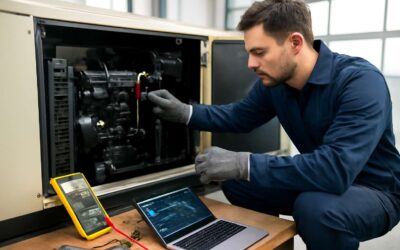
Additionally, troubleshooting minor issues—like unusual noises from generators or uneven solar panel output—can save you from unexpected disruptions. Scheduling periodic diagnostics ensures your system runs smoothly and stays aligned with your energy demands. Remember, well-maintained generators and solar panels don’t just operate more efficiently—they also extend their lifespan, transforming maintenance into an act of sustainable stewardship for your power needs in South Africa’s dynamic energy landscape.
System Upgrades and Scalability – Expanding capacity and technological advancements
In the shadowed corridors of power, the tale of expansion whispers through the veins of South Africa’s energy landscape. As technology advances and the demand for sustainable solutions grows, system upgrades become not just an option but an imperative. When considering generators and solar panels, scalability transforms from a distant dream into a tangible reality. Modern innovations enable the seamless integration of new capacity, allowing your energy fortress to evolve with the needs of tomorrow.
For those venturing into the realm of renewable energy, understanding how to adapt your setup is crucial. Whether you’re expanding a modest household system or fortifying an industrial operation, the ability to upgrade without disrupting your power flow stands as a testament to strategic foresight. Incorporating modular components and hybrid systems ensures your generators and solar panels can grow in tandem with your ambitions.
- Assess current capacity and future requirements meticulously.
- Choose scalable solar panels that can be easily added or replaced.
- Opt for generator models that support modular upgrades or remote monitoring.
This layered approach not only preserves your investment but also aligns with the ever-evolving tapestry of South Africa’s energetic terrain. As the sun’s relentless gaze fuels your solar panels and your generators stand resilient against darkness, the capacity to expand becomes a beacon of sustainable stewardship—embracing the macabre beauty of a future powered by innovation and foresight.
Emerging Trends and Innovations
Advances in Solar Technology – Higher efficiency panels, bifacial modules, and flexible panels
As the world pivots towards cleaner energy solutions, innovations in solar technology are reshaping the landscape of sustainable power. The latest advances include higher efficiency panels that maximize energy capture even in low-light conditions, making them ideal for South Africa’s diverse climate. Bifacial modules, which harness sunlight from both sides, are increasingly popular, boosting energy output without needing additional space. Flexible panels, with their lightweight and adaptable design, open new possibilities for portable applications and uneven surfaces, expanding the versatility of solar panels in remote or rugged locations.
Furthermore, emerging trends emphasize the development of cutting-edge materials and manufacturing processes that push the boundaries of solar panel efficiency and durability. For instance, some manufacturers are now integrating transparent solar technology into windows, offering a dual purpose of natural light and power generation. These innovations complement the expanding role of generators and solar panels in hybrid systems, ensuring reliable, sustainable energy supply even during grid outages or in off-grid environments. As technology advances, the synergy between generators and solar panels becomes more seamless, providing resilient power solutions tailored for South Africa’s unique energy landscape.
Smart Generators and Solar Systems – Automation, remote monitoring, and intelligent controls
In a world where energy independence feels as elusive as a unicorn riding a rainbow, emerging trends in smart generators and solar systems are offering a glimmer of hope. The latest innovations are not just about harnessing sunlight or powering your home—they’re about making these processes smarter, more efficient, and downright fun to implement. Automation and remote monitoring have transformed generators and solar panels from static gadgets into dynamic, responsive power sources that practically run themselves. Imagine checking your solar energy output from your couch or adjusting generator settings via a smartphone app—welcome to the future!
These advancements aren’t just tech speak—they’re practical game changers. For instance, integrated intelligent controls optimize power flow based on real-time data, ensuring you never run out of juice when you need it most. Some systems even use AI-driven algorithms to predict energy consumption patterns, reducing waste and maximizing savings. To make it simple, the days of manually fiddling with switches are long gone, replaced by seamless automation that keeps your energy system humming efficiently.
Adding to the excitement, remote monitoring technologies allow users to keep tabs on system performance from anywhere—whether you’re lounging on a South African beach or stuck in a Durban traffic jam. These innovations provide alerts for maintenance needs or potential faults, preventing small hiccups from turning into energy crises. It’s a digital age marvel where generators and solar panels work in harmony, intelligently adapting to your lifestyle and environmental conditions. Truly, the era of passive energy systems is over; now, it’s all about proactive, smart energy management that makes life simpler and more sustainable.
Energy Storage Solutions – Batteries, hybrid storage, and grid integration
Emerging trends in energy storage solutions are transforming the way we power our homes and businesses, especially in South Africa where reliable energy remains a challenge. Batteries, hybrid storage systems, and grid integration are at the forefront of this revolution, making generators and solar panels more efficient and adaptable than ever before.
Advanced battery technologies, such as lithium-ion and solid-state cells, are now capable of storing greater amounts of energy with longer life spans. These batteries seamlessly integrate with solar panels, creating hybrid storage solutions that maximize energy independence. For example, during periods of low sunlight, your system can draw stored power, reducing reliance on generators or grid supply. This not only cuts costs but also minimizes environmental impact.
- Grid-connected storage ensures optimal energy flow and stability
- Hybrid systems combine renewable energy with backup generators for uninterrupted power
- Smart energy management platforms enable real-time control and monitoring
Grid integration is another vital innovation. Modern systems communicate directly with the national grid, allowing excess solar energy to be fed back or drawing power during peak demand. This interconnected approach enhances the resilience of generators and solar panels, making them more than just standalone solutions—turning them into part of a responsive, intelligent network. As South Africa continues to grapple with energy shortages, these innovations offer a pragmatic path forward, blending technological ingenuity with practical sustainability.
Compare Costs and Performance
Cost-Benefit Analysis – Initial investment versus long-term savings
In the shadowy realm where power is both a necessity and a luxury, weighing the costs of generators and solar panels becomes a dance with the unknown. The initial investment often appears daunting—a hefty sum that can seem like an insurmountable barrier. Yet, beneath this facade lies a whisper of promise: long-term savings that could outshine the gloom of upfront expenses. A meticulous cost-benefit analysis reveals that while generators may demand continued fuel dependency and maintenance, solar panels offer a silent, relentless march toward financial liberation.
For those contemplating a shift, understanding the true performance of each system is vital. Generators provide immediate power—reliable, but often noisy and fuel-dependent. Solar panels, conversely, harness the sun’s spectral energy, converting it into electricity with increasing efficiency. The choice hinges on a delicate balance: an initial outlay for solar panels might seem steep, yet the enduring savings and environmental benefits often eclipse the ephemeral convenience of generators. The decision becomes a philosophical quest—do you invest in the fleeting, or embrace the eternal glow of solar innovation? With every kilowatt-hour generated, the long-term economics of solar panels carve a path through financial darkness, illuminating a future where sustainability meets savings in a symphony of silent power.
Performance Metrics – Efficiency, durability, and reliability metrics
When comparing the performance of generators and solar panels, understanding efficiency, durability, and reliability is crucial. Generators typically have high power output and quick start-up times, but their efficiency can vary based on fuel type and maintenance. Solar panels, on the other hand, are celebrated for their steadily increasing efficiency rates—especially with recent advances in monocrystalline and bifacial technologies. These innovations enhance energy conversion, making solar panels a more attractive long-term investment.
Durability is another key metric. Generators are generally built to withstand harsh environments, but their moving parts and fuel systems require regular upkeep. Solar panels, especially those made from robust materials like tempered glass, often boast lifespans exceeding 25 years with minimal performance degradation. Reliability metrics favor solar panels in stable sunlight conditions, although cloud cover can temporarily reduce output. Meanwhile, generators provide consistent power regardless of weather, albeit with higher operational costs and noise levels.
- Efficiency: Solar panels are rated by their energy conversion percentage, often ranging from 15% to over 22% for high-end monocrystalline models.
- Durability: Weather-resistant coatings and sturdy framing are standard in quality solar panels, ensuring longevity in South Africa’s diverse climate.
- Reliability: Generators generally offer immediate power, but their dependence on fuel and maintenance can introduce downtime. Solar panels deliver silent, dependable energy, especially when paired with storage solutions.
Choosing between generators and solar panels hinges on these performance metrics. While generators excel in immediate, high-demand scenarios, solar panels shine in long-term sustainability, cutting operational costs and reducing environmental impact. The decision ultimately depends on specific energy needs, budget constraints, and environmental priorities in South Africa’s energy landscape.
Case Studies – Real-world examples of generator and solar panel setup
In the shadowed corridors of energy choices, the stark contrast between generators and solar panels reveals itself through real-world performance and cost-effectiveness. A recent case study in South Africa’s rural heartland painted a vivid picture: a modest homestead installed a hybrid system combining both, unlocking a symphony of power amid the unpredictable climate. The initial investment in solar panels was substantial, yet the long-term savings on operational costs proved transformative. Meanwhile, the generator’s rapid response and unwavering reliability during stormy nights underscored its enduring necessity.
Consider this: a commercial enterprise in Johannesburg opted for a solar panel installation complemented by a backup generator. Over five years, their energy expenditure decreased markedly, driven by the efficiency of high-grade monocrystalline panels and innovative storage solutions. Conversely, a mining operation reliant solely on generators faced escalating fuel costs and maintenance downtime, a reminder of the toll that operational expenses exact. These case studies illuminate the delicate dance of cost and performance, revealing how tailored systems can forge a sustainable energy future—whether through the silent resilience of solar panels or the brute force of generators in the shadows of necessity.
Return on Investment (ROI) – Calculating payback periods and profitability
When evaluating the true worth of generators and solar panels, the dance between cost and performance becomes a compelling narrative of resilience and innovation. The initial investment in solar panels, while often hefty, begins to reveal its long-term magic through impressive operational savings. Conversely, generators offer immediate reliability, especially during unpredictable South African storms, but their operational costs can weigh heavily over time.
Understanding the return on investment (ROI) requires a nuanced approach. The payback period for solar panels typically hinges on energy consumption patterns and local sunlight availability. For instance, high-efficiency monocrystalline panels can drastically shorten this period, making them a lucrative choice for both residential and commercial applications. Meanwhile, generators—though less efficient in the long run—serve as vital backup power during emergencies and peak demand.
To visualize this balance, consider the following:
- Initial costs for solar panels can range widely, but the ongoing savings on electricity bills often justify the expenditure over five to ten years.
- Generators, especially standby models, present a lower upfront cost but incur ongoing fuel and maintenance expenses that can accumulate rapidly.
Ultimately, the performance metrics for each system—such as durability, efficiency, and reliability—determine their profitability. In South Africa’s context, where energy security remains a challenge, hybrid systems that combine generators and solar panels often emerge as the most compelling solution. This synergy ensures a resilient, cost-effective energy future that balances immediate needs with long-term sustainability.

0 Comments