Overview of Generator Types
Definition of Generators – Understanding what generators are and their primary functions
Generators are the silent sentinels of modern life, quietly stepping in when the grid falters. Their primary function? To convert mechanical energy into electrical power, ensuring homes, businesses, and critical infrastructure stay operational amidst unpredictable power disruptions. But not all generators are created equal. The world of generators types is diverse, each designed with specific needs and environments in mind.
Understanding the different generators types reveals a fascinating spectrum of technology and application. For instance, standby generators are massive and built to activate instantly during outages, providing seamless power backup. Portable generators, on the other hand, are compact and versatile—perfect for outdoor adventures or emergency situations. Whether fuelled by petrol, diesel, or even renewable sources, each type offers unique advantages, making the choice of generator a strategic decision for any South African household or enterprise.
- Standby Generators
- Portable Generators
- Inverter Generators
- Industrial Generators
By delving into the various generators types, one uncovers a world of engineering ingenuity designed to meet the unpredictable demands of our environment. This knowledge becomes essential when selecting the right power solution—because in a country where power outages are often unpredictable, understanding these differences can mean the difference between silence and chaos.
Importance of Choosing the Right Generator – Factors influencing generator selection for different needs
Choosing the right generator type isn’t just about powering appliances; it’s about ensuring resilience in a landscape where power outages can strike unexpectedly. In South Africa, where load shedding has become part of daily life, understanding the spectrum of generators types is crucial. Each type offers a distinct blend of capacity, fuel efficiency, and portability—factors that can make or break a household or business’s ability to stay operational.
When selecting among the various generators types, it’s essential to consider specific needs and environmental conditions. For instance, a backup generator for a hospital demands immediate, reliable power, while a portable generator might be perfect for a weekend camping trip. The decision hinges on multiple factors:
- Power output requirements
- Fuel availability and efficiency
- Noise levels and environmental impact
- Budget and maintenance considerations
Understanding these variables ensures that your choice aligns perfectly with your unique circumstances. In a country where unpredictable power disruptions can paralyze daily life, the right generator type not only provides peace of mind but becomes a vital asset—transforming chaos into calm with quiet efficiency and unwavering reliability.
Portable Generators
Features and Benefits – Mobility, ease of use, common applications
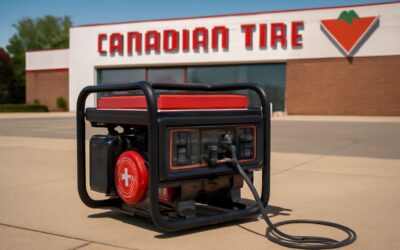
In a landscape where power outages can strike unpredictably, the allure of portable generators lies in their remarkable mobility and immediate utility. These compact marvels transform a moment of vulnerability into a testament to resilience, offering a lifeline amid chaos. Their lightweight construction and ergonomic design mean they can be effortlessly transported to remote sites or used at outdoor events, making them the epitome of convenience in generators types.
The ease of operation is another defining feature, often achieved through intuitive controls and minimal setup requirements. Whether it’s powering a construction site, camping expedition, or emergency backup, portable generators adapt seamlessly to diverse scenarios. Their versatility is underscored by common applications, ranging from powering small appliances during outdoor gatherings to supporting critical equipment in rural or off-grid locations.
To understand their potential, consider these typical uses:
- Camping trips requiring reliable energy for lights and cooking appliances
- Emergency backup during power outages in residential settings
- Construction sites needing portable power sources for tools and machinery
Ideal Uses – Camping, outdoor events, emergency power backup
Portable generators are a game-changer for outdoor enthusiasts and emergency preparedness in South Africa. Their ability to deliver reliable power in remote locations makes them indispensable for camping trips and outdoor events. Whether you’re lighting up a campsite or powering a portable fridge, these generators types ensure you stay connected and comfortable wherever you are.
In addition to recreational use, portable generators serve as vital emergency backup power sources during unexpected outages. When the grid fails, having a dependable portable generator can keep essential appliances running and provide peace of mind. Their lightweight design and simple operation mean they can be quickly deployed in rural or off-grid areas, where traditional power sources are scarce.
For outdoor gatherings, festivals, or construction sites, these versatile power solutions are tailored to meet diverse needs.
- Camping trips requiring reliable energy for lights and cooking appliances
- Emergency backup during power outages in residential settings
These applications highlight the importance of selecting the right generators types to suit specific scenarios. Their portability and ease of use make them an essential component of any power strategy in South Africa’s varied landscape.
Top Types of Portable Generators – Inverter generators, conventional portable generators
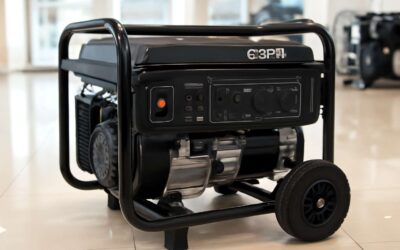
When it comes to generators types, two primary contenders dominate the scene—Inverter generators and conventional portable generators. Each offers a unique set of advantages tailored to specific needs, making the choice crucial for South Africans seeking reliable power solutions. Inverter generators are renowned for their quiet operation and exceptional fuel efficiency, making them ideal for camping trips, outdoor events, or even residential emergency backup. Their ability to produce clean power ensures sensitive devices like laptops and smartphones stay protected, adding a layer of convenience and safety.
Traditional portable generators, on the other hand, excel in delivering higher power output and durability. These are often preferred on construction sites or larger outdoor gatherings where heavy-duty power is required. They tend to be more robust, capable of running multiple appliances simultaneously, and are suitable for extended use.
- Lightweight design for easy transport
- Durability under tough conditions
- High power output for demanding applications
Understanding the distinctions between these generators types is essential to match the right power solution with your specific needs, especially in South Africa’s diverse landscape.
Standby Generators
Overview and Advantages – Automatic operation, suitability for homes and businesses
In the unpredictable landscape of South Africa’s power grid, standby generators have become more than just a convenience—they are a necessity. These generators types are engineered for automatic operation, seamlessly kicking in when the mains power falters. Imagine the peace of mind knowing that your home or business can maintain critical operations without manual intervention—no flickering switches or waiting times involved.
Standby generators are ideally suited for residential and commercial settings, providing reliable backup power during outages or load shedding. Their ability to activate instantly ensures that essential appliances, security systems, and even medical equipment remain functional, safeguarding both lives and livelihoods. These generators often incorporate sophisticated automatic transfer switches, allowing them to detect power loss and respond instantaneously. It’s this seamless transition that makes them a preferred choice in areas where resilience is non-negotiable.
Understanding the different generators types helps in selecting the perfect fit for specific needs. Whether a small business or a sprawling residence, the right standby generator offers unmatched convenience and security—turning what could be a disruptive event into just another moment of calm in a turbulent environment. The technology behind these generators is evolving rapidly, promising even smarter, more efficient solutions for South African households and enterprises alike.
Fuel Options – Gasoline, propane, natural gas
Standby generators offer a versatile array of fuel options, each with its own unique advantages tailored to South Africa’s diverse landscape. Among the most common are gasoline, propane, and natural gas—each serving different needs with precision and power. Gasoline generators are often favored for their portability and widespread availability, making them an excellent choice for both emergency backup and outdoor activities. Their quick start-up times and ease of refueling make them a reliable companion in unpredictable situations.
Propane and natural gas generators, on the other hand, shine in their efficiency and cleaner operation. Propane, stored in tanks, is a popular choice for areas where fuel stability is paramount, such as remote farms or outdoor events. Natural gas generators connect directly to a home’s existing gas line, offering a continuous fuel supply that reduces the need for manual refueling, thus ensuring an uninterrupted power source during prolonged outages. This fuel type is especially beneficial for large-scale residential and commercial applications, where resilience is non-negotiable.
Understanding these generators types is essential for making an informed decision. The choice hinges on factors like fuel availability, environmental impact, and the specific demands of your home or business. Whether you opt for the flexibility of gasoline, the efficiency of propane, or the convenience of natural gas, each fuel option plays a vital role in establishing a resilient South African power system. An often-overlooked aspect is the installation process, which can vary significantly depending on the fuel type—adding an extra layer of strategic planning to your generator selection.
By exploring the diverse fuel options, you gain insight into the intricate world of generators types, unlocking the potential to safeguard your assets and comfort against the capricious nature of power disruptions. In South Africa’s landscape, where load shedding can strike unpredictably, choosing the right generator fuel is akin to wielding a powerful talisman—ensuring that your sanctuary remains steadfast amidst the storm.
Installation Considerations – Professional setup, integration with building power systems
Installing a standby generator is akin to weaving a protective spell around your home or business, ensuring resilience against South Africa’s unpredictable load shedding. The installation process requires more than just placing a machine—it’s a strategic dance of precision and expertise. Professional setup guarantees that the generator seamlessly integrates with your building’s power system, creating a harmonious symphony rather than a discordant clash.
When connecting a generator to your property, careful consideration must be given to the existing electrical infrastructure. Proper transfer switches, for instance, prevent back-feeding, safeguarding both your system and utility workers. This step is vital in ensuring a smooth transition from grid power to backup power—an essential facet of generators types designed for reliability and safety.
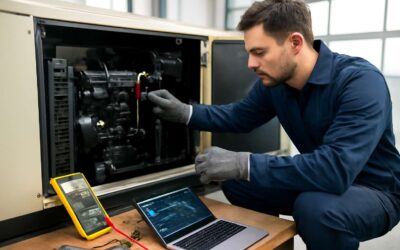
Engaging certified technicians for installation is crucial; they evaluate factors such as load capacity, ventilation needs, and proximity to living spaces. An overlooked aspect is the potential need for additional fuel storage or connection points, which can vary significantly depending on the generator type—be it natural gas, propane, or gasoline. Thoughtful planning during installation transforms your generator from a mere machine into a resilient guardian, standing ready to serve when the power flickers out unexpectedly.
Inverter Generators
How They Work – Technology behind inverter generators
Inverter generators operate on a sophisticated technology that sets them apart from conventional portable generators. Instead of producing a steady stream of alternating current (AC), they generate raw power and then convert it into clean, stable electricity. This process results in quieter operation and more reliable power output—perfect for sensitive electronics. The core of inverter generators lies in their ability to adjust engine speed based on the load, which enhances fuel efficiency and reduces emissions.
Here’s how it works: an internal engine powers a magnetic field within a rotor, creating alternating current. This AC is then converted into direct current (DC), filtered, and inverted back into a stable AC supply. This seamless conversion process ensures the power remains smooth and consistent. For those exploring generators types, inverter generators are especially favored for camping, outdoor events, and emergency backup because of their portability and quiet operation.
Benefits – Quiet operation, clean power quality, fuel efficiency
In the complex dance of power solutions, inverter generators stand out as an elegant testament to technological refinement. Their whisper-quiet operation transforms the noise pollution typically associated with portable generators into a mere murmur, allowing you to enjoy the serenity of the outdoors or the calm of your home. This quietness is not just a luxury—it’s a necessity for those who value peace and focus, especially during camping trips or outdoor events where silence enhances the experience.
Beyond their hushed operation, inverter generators deliver impeccable clean power quality. Sensitive electronics like laptops, smartphones, and medical devices thrive on the stable, ripple-free electricity they produce. Unlike traditional generators, which can cause fluctuations that risk damaging delicate equipment, inverter generators adapt dynamically to the load, ensuring a consistent energy flow. Their ability to adjust engine speed based on demand improves fuel efficiency and significantly reduces emissions—an essential feature for eco-conscious consumers in South Africa seeking sustainable energy solutions.
Understanding the benefits of inverter generators within the broader scope of generators types reveals their unmatched versatility. Whether for emergency backup or recreational use, these generators exemplify the pinnacle of modern portable power technology—quiet, clean, and efficient. The choice of generator type ultimately hinges on your specific needs, but for those prioritizing reliability and environmental responsibility, inverter generators remain an exceptional option.
Best Use Cases – Sensitive electronic devices, recreational activities
In a world where technology hums softly at the core of daily life, inverter generators have emerged as the delicate maestros of portable power. Their whisper-quiet operation makes them the perfect companion for those who cherish tranquility—whether you’re nestled in the wilderness or seeking solace during a power outage. Sensitive electronic devices, such as smartphones, laptops, and medical equipment, thrive on the stable, ripple-free electricity these generators produce, safeguarding your digital and health appliances with tender care.
Recreational activities, in particular, find a harmonious partner in inverter generators. Imagine a weekend camping under the vast South African skies, where the gentle hum of the generator allows you to enjoy music, charge devices, or power small appliances without interrupting the symphony of nature. Their versatility shines brightest here, making them ideal for outdoor festivals, caravan trips, or even backyard parties.
- Camping excursions
- Outdoor festivals and events
- Emergency power backup for homes
Whether you’re seeking serenity in the wild or a reliable power source for your recreational pursuits, inverter generators stand as a testament to modern ingenuity—quiet, clean, and efficient. Their ability to adapt seamlessly to your unique needs underscores why they remain a top choice among generator types for those who refuse to compromise on comfort or sustainability.
Rugged and Industrial Generators
Features and Specifications – Heavy-duty construction, high power output
Rugged and industrial generators are built for the toughest environments, delivering unmatched durability and power output. These heavy-duty structures are designed to withstand harsh conditions, making them ideal for construction sites, mining operations, and industrial facilities in South Africa. Their robust construction ensures long-term reliability, even under continuous heavy load.
Equipped with high-capacity engines, these generators types can produce significant electrical power, often exceeding 100 kVA. They feature reinforced frames, corrosion-resistant components, and advanced cooling systems to maintain optimal performance. The high power output ensures that large machinery and critical systems stay operational without interruption.
For those requiring dependable, heavy-duty power, specifications typically include fuel efficiency and low maintenance needs. Here’s a quick overview of features you should look for:
- Heavy-duty steel frames for maximum durability
- High-capacity, industrial-grade engines
- Enhanced cooling systems to prevent overheating
- Low vibration technology for stability during operation
Typical Applications – Construction sites, factories, large-scale power needs
In the rugged landscapes and bustling industrial zones of South Africa, heavy-duty generators are the backbone of progress. These robust machines are essential for construction sites, factories, and large-scale power needs, where reliability cannot be compromised. Their capacity to deliver high power output, often exceeding 100 kVA, makes them indispensable for powering heavy machinery and critical systems. Rugged and industrial generators are designed to endure harsh conditions, from extreme heat to relentless dust, ensuring continuous operation even under the most demanding circumstances.
Typically, these generators find their home in environments where durability and consistent performance are paramount. Whether supporting a construction project in the Karoo or running a mining operation in Gauteng, their role is pivotal. The application of heavy-duty generators extends beyond mere functionality—they are vital for maintaining safety, productivity, and efficiency in industries that form the backbone of South Africa’s economy.
Fuel Types – Diesel, natural gas
When it comes to rugged and industrial generators, choosing the right fuel type can make all the difference in performance and reliability. Diesel and natural gas are the two dominant options, each with its unique advantages tailored to demanding environments across South Africa.
Diesel generators are renowned for their durability and high torque output, making them ideal for heavy-duty applications such as mining operations and construction sites. They are often preferred for their fuel efficiency and robustness, capable of running continuously in harsh conditions. On the other hand, natural gas generators offer a cleaner burn, lower emissions, and quieter operation—perfect for environments where environmental considerations are critical.
In certain scenarios, these generators types are interchangeable, but understanding their distinct characteristics helps in making an informed decision. For instance, the availability of fuel sources can influence choice, especially in remote locations where diesel might be more accessible. South Africa’s industrial zones often rely on diesel generators for their proven resilience, while natural gas units are increasingly popular in urban settings aiming for greener operations.
Inverter vs Conventional Generators
Performance Comparison – Power quality, noise levels, fuel consumption
When comparing inverter vs conventional generators, the differences in performance are quite significant, especially for users prioritizing power quality and noise levels. Inverter generators produce cleaner, stable electricity, making them ideal for sensitive electronic devices such as laptops or medical equipment. Their advanced technology ensures that power fluctuations are minimized, reducing the risk of damage. Conversely, conventional portable generators tend to generate more inconsistent power output, which can lead to issues with delicate electronics.
Noise levels are another critical aspect. Inverter generators operate quietly, often emitting sound levels as low as 50-60 decibels, comparable to a normal conversation. This makes them suitable for outdoor activities and residential use where noise pollution is a concern. Conventional generators, however, can be quite loud, sometimes exceeding 75 decibels, which can be disruptive in quiet environments.
Fuel consumption also varies between these generator types. Inverter generators are generally more fuel-efficient, thanks to their ability to adjust engine speed based on demand. This efficiency not only extends run time but also reduces operational costs. In contrast, conventional generators run at a constant speed regardless of load, leading to higher fuel consumption and less economical operation over time.
Cost Analysis – Price differences and value for money
When weighing the cost of generators types, it’s tempting to focus solely on initial price tags. Inverter generators tend to carry a higher upfront cost, often ranging between R10,000 to R30,000, depending on power output and features. This higher price might give pause, but the value for money they offer is undeniable—particularly for those who need clean, stable power for sensitive electronics. Conventional portable generators, on the other hand, are generally more affordable, often starting around R7,000 to R15,000. However, their lower purchase price can be deceptive when factoring in fuel efficiency and maintenance costs over time.
Inverter generators shine in the long run thanks to their remarkable fuel economy and durability. Their ability to adjust engine speed according to demand means fewer trips to the petrol station and less wear and tear. Conversely, conventional generators run at constant speeds, consuming more fuel and requiring more frequent servicing. If you’re evaluating generators types for a specific application—say, for outdoor adventures or emergency backup—the initial investment in inverter technology may seem steep, but the savings in operational costs and the peace of mind they deliver make them a formidable choice. When considering value for money, it’s essential to look beyond the sticker price and assess the total cost of ownership—fuel, maintenance, and lifespan—before making a decision.
Best Scenarios for Each – Choosing based on specific needs and environment
Choosing the right generators types hinges upon understanding your specific environment and power needs. Inverter generators are superb for quiet, clean power—perfect when you’re camping in the rugged South African veld or need reliable backup for sensitive electronics at home. Their ability to produce stable electricity minimizes the risk of damage to delicate devices, making them ideal for recreational activities or emergency situations where peace of mind is priceless.
Conversely, conventional portable generators excel in demanding settings such as construction sites or large-scale events. Their robust design and high power output can handle heavy loads, but they tend to be noisier and less fuel-efficient. For rugged outdoor adventures or areas with frequent power outages, these generators types provide the muscle needed to keep things running smoothly.
- For camping trips, inverter generators are the silent heroes.
- At construction sites, conventional generators deliver unmatched durability and power.
Ultimately, selecting between inverter and conventional generators depends on your environment and specific needs — whether you prioritize quiet operation, fuel efficiency, or raw power. Understanding these nuances ensures you make an informed decision, tailored to the realities of rural life, outdoor pursuits, or emergency preparedness in South Africa’s diverse landscape.
Emerging Generator Technologies
Hybrid Generators – Combining renewable energy with traditional power sources
In the ever-evolving landscape of power technology, emerging generator technologies are reshaping the way we harness energy. Among these innovations, hybrid generators stand out as a beacon of adaptability, blending renewable energy sources like solar or wind with traditional fuel-based generators. This seamless integration not only enhances efficiency but also reduces environmental impact—a critical consideration for South Africa’s diverse climate and energy demands.
Imagine a generator that intelligently switches between clean, sustainable power and reliable fuel sources, ensuring uninterrupted energy supply during peak loads or low renewable output. This synergy is achieved through sophisticated control systems that optimize performance, resulting in quieter operation and lower fuel consumption. The fusion of renewable and conventional power sources exemplifies the future of generators types, promising sustainability without sacrificing dependability.
- Reduced carbon footprint
- Enhanced energy efficiency
- Greater versatility for various applications
Solar Generators – Eco-friendly, silent operation, portability
Emerging generator technologies are transforming the landscape of energy solutions, especially in regions like South Africa where power stability can be unpredictable. Solar generators, a prominent example, exemplify the shift toward eco-friendly and silent operation. These portable units harness sunlight to produce electricity, making them ideal for remote locations, outdoor activities, or emergency backup during load shedding.
What sets solar generators apart from other generators types is their quiet, emission-free performance, which significantly reduces environmental impact. Their compact design allows for easy transportation and quick setup, providing instant power without noise pollution or fumes. As renewable energy gains momentum, solar generators are increasingly becoming a preferred choice for those seeking sustainable, versatile power options.
In a country where energy demand outpaces supply, these innovative generators not only promote greener practices but also offer practical solutions for everyday needs. Their ability to seamlessly integrate with existing power systems makes them a compelling alternative in the diverse array of generators types available today.
Future Trends – Smart grid integration, increased efficiency
As the shadows lengthen in a land where power flickers like a dying flame, emerging generator technologies illuminate a path toward a more resilient future. The dawn of smart grid integration promises a network of intelligent energy flows, where generators types evolve into sentient entities, seamlessly communicating with the grid and optimizing their output. This technological symphony not only enhances efficiency but also fortifies the fragile backbone of South Africa’s power landscape.
In this realm of innovation, increased efficiency becomes more than a mere aspiration—it transforms into an imperative. Modern generators are imbued with algorithms that adapt to fluctuating demands, conserving fuel and reducing emissions. Such advancements echo the silent promise of sustainability, ensuring that the macabre dance of load shedding becomes a distant memory. This evolution in generators types invites us to envision a future where energy is as elusive as a whisper in the darkness, yet as dependable as the midnight hour.

0 Comments