Understanding Generator Basics
Definition of a Generator
Understanding the fundamentals of a generator is essential, especially when considering the requirements for generators that will power rural South African homes or small businesses. A generator is essentially a device that transforms mechanical energy into electrical energy, providing a reliable power source during outages or in areas where grid access is limited. Its core function is to ensure continuity, even when the national grid falters, which makes knowing what to look for in generator requirements so crucial.
At its heart, a generator comprises several key components: an engine, alternator, fuel system, and control panel. When selecting a generator, you should consider factors such as wattage capacity, fuel efficiency, and durability—these are vital requirements for generators in rural settings. For instance, a generator designed for extended use on a farm must meet specific power output requirements to handle everything from lighting to essential machinery.
- Power capacity suitable for your needs
- Fuel type and efficiency
- Durability and ease of maintenance
- Portability or fixed installation capability
Types of Generators
Understanding the different types of generators is like discovering the secret menu at your favorite restaurant—there’s more than meets the eye! In South Africa, where power outages can turn a peaceful farm into a mini chaos zone, choosing the right generator type is crucial. The most common options are portable generators, standby generators, and inverter generators—each with its own charm and quirks.
Portable generators are the Swiss Army knives of power—they’re versatile, lightweight, and perfect for small businesses or rural homes that need a quick power fix. Standby generators, on the other hand, are the heavy-duty heroes designed to sit quietly in the corner, ready to spring into action during outages, often linked to your home’s electrical system. Inverter generators offer clean energy, ideal for sensitive electronics, making them a popular choice for those who can’t afford a power hiccup.
When considering the requirements for generators, it’s essential to evaluate your specific needs, whether it’s powering a few lights or running an entire small business. The right generator not only keeps the lights on but also ensures your equipment runs smoothly—without breaking the bank or your patience!
Common Applications of Generators
Understanding the requirements for generators is essential to ensure your power solution is both reliable and efficient. In South Africa, where unexpected blackouts can leave rural farms and small businesses in the dark, choosing a generator that meets your specific needs is more than just a convenience—it’s a necessity. Whether you’re powering a few essential appliances or keeping a small enterprise running smoothly, the right generator can make all the difference.
Common applications of generators span a broad spectrum. For homesteads, they provide peace of mind during load shedding, keeping lights, refrigeration, and communication devices operational. Small businesses rely on generators for uninterrupted operations, preventing costly downtime. In more specialized scenarios, generators are used to power sensitive electronics, requiring models with clean energy output. The key is to evaluate your unique requirements for generators—considering factors like wattage, fuel efficiency, and noise levels—to find the perfect match.
- Home backup during outages
- Rural farming operations
- Small commercial enterprises
- Emergency services and healthcare facilities
By understanding the specific requirements for generators, you can select a dependable power source that safeguards your livelihood and brings comfort when it’s needed most. In South Africa, where power stability isn’t always guaranteed, this understanding becomes the backbone of resilience and peace of mind.
Electrical Requirements for Generators
Power Output and Capacity
Electrical requirements for generators are the unseen threads that ensure a seamless dance of power and safety. When selecting a generator, understanding its power output and capacity becomes paramount—these are the heartbeat and lungs of the machine. A generator’s power output, usually measured in watts or kilowatts, determines how much energy it can produce at any given moment, while capacity reflects its ability to sustain that output over time. In South Africa, where load shedding has become a part of daily life, knowing the right specifications can mean the difference between a blackout and uninterrupted comfort.
To navigate the labyrinth of requirements for generators, consider the following essential points:
- The total wattage of all appliances you intend to run simultaneously.
- The starting wattage needed for appliances with motors or compressors.
- The generator’s rated capacity, which must comfortably exceed your peak load to prevent overloads and ensure longevity.
Matching power output with your needs isn’t just about numbers—it’s about crafting a resilient shield against power outages, ensuring your home or business stays vibrant regardless of the grid’s whims.
Voltage and Frequency
Voltage and frequency are the twin pillars holding up your generator’s reputation—and your sanity. In South Africa, where load shedding has become as reliable as sunrise, ensuring your generator meets the proper electrical requirements is non-negotiable. A mismatch in voltage or frequency can turn your power backup into a paperweight faster than you can say “blackout.”
Generators typically operate at a standard voltage—often 230V in South Africa—and a frequency of 50Hz. But beware! Some models have slight variations, and those tiny differences can cause headaches down the line. For instance, running sensitive equipment on an incompatible frequency might lead to motor misfires or equipment failure. That’s why checking the requirements for generators concerning voltage and frequency is a crucial step before making any purchase.
To keep things smooth, consider this simple rule of thumb:
- Ensure the generator’s voltage matches your household or business needs.
- Verify the frequency—50Hz is standard here, but some appliances might prefer a precise match.
Matching these electrical requirements for generators isn’t just about compatibility; it’s about peace of mind. After all, a generator that can’t deliver the correct voltage and frequency is like a chef with no ingredients—noble in intent but ultimately useless. When choosing a generator, pay close attention to these specs to avoid sparks flying—literally or figuratively!
Power Quality and Stability
Power quality and stability are often overlooked yet are vital considerations when selecting the right generator. Fluctuations in voltage or frequency can compromise sensitive equipment or cause premature wear and tear. In South Africa, where load shedding is a persistent reality, ensuring your generator maintains consistent power output isn’t just about convenience; it’s about safeguarding your investments.
A generator’s ability to deliver stable power depends on its design and the quality of its components. Poor power quality can lead to surges, dips, or harmonic distortions that damage electronics or reduce their lifespan. To meet the requirements for generators, manufacturers often specify features such as voltage regulation and frequency stabilization—both essential for smooth operation.
When evaluating power quality, ask yourself: Does the generator provide clean, stable electricity? Are there built-in protections against voltage spikes and dips? These considerations are crucial because a generator that fails to meet the requirements for generators in terms of stability can turn a reliable backup into a source of ongoing issues. Ultimately, low-quality power can be just as disruptive as no power at all—and more costly in the long run.
Connection Types and Compatibility
Electrical compatibility is a cornerstone consideration when selecting a generator, especially in the context of South Africa’s unpredictable load shedding patterns. Ensuring your generator’s connection type aligns with your existing electrical infrastructure isn’t just about convenience—it’s about safety, efficiency, and long-term viability. Different setups demand specific connection standards to prevent damage and ensure seamless integration.
Generators typically support various connection types, each suited for particular applications and environments. These include fixed installations that connect directly to the building’s main electrical system, and portable units designed for temporary or mobile use. Compatibility hinges on factors such as voltage, phase configuration, and the type of outlet or transfer switch employed.
Manufacturers often specify requirements for generators to guarantee optimal performance. For example, some generators require a transfer switch to meet safety standards, while others might need specific outlet configurations for compatibility with South African power outlets.
- Single-phase or three-phase connections
- Standard or industrial outlet types
- Built-in or external transfer switches
Understanding these requirements for generators ensures that your investment not only meets local electrical standards but also integrates seamlessly into your existing system. Compatibility isn’t just about plugging in—it’s about creating a resilient, reliable power source that safeguards your operations and assets through every power interruption. In a landscape where unstable power is a given, paying careful attention to connection types and compatibility transforms a simple purchase into a strategic asset.
Mechanical and Physical Requirements
Size and Portability
When considering the requirements for generators, size and portability often top the list of critical factors. A generator’s physical dimensions directly influence how and where it can be deployed, especially in South Africa’s diverse landscape. Compact designs are ideal for urban settings or emergency kits, while larger models suit industrial sites or remote locations. But size isn’t just about convenience; it impacts stability and operational safety.
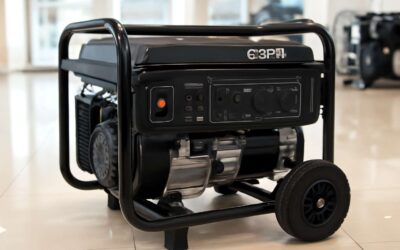
Portability becomes a game-changer when mobility is essential. Lightweight, rugged handles, or wheels, can transform a cumbersome machine into a manageable tool. For those needing frequent transport, selecting a generator with a well-designed physical footprint can make all the difference. Here’s what to keep in mind:
- Weight—lighter models are easier to move but may compromise on power capacity.
- Design—compact, ergonomic frames facilitate effortless handling.
- Build quality—durable materials ensure longevity, especially in challenging environments.
Balancing size and portability ensures your generator meets the specific demands of your application, whether it’s powering a remote construction site or keeping the lights on during a blackout at home. These physical considerations are essential requirements for generators that truly deliver when it matters most.
Weight Considerations
In the realm of requirements for generators, weight is more than just a number—it’s the heartbeat of practicality and safety. A heavy, industrial-grade machine whispers strength and durability, but it can transform into a logistical challenge. Conversely, a lightweight generator offers unmatched mobility, perfect for unpredictable South African terrains or emergency deployments. The balance between these aspects often determines whether a generator becomes a reliable companion or a cumbersome obstacle.
Physical design also plays a vital role. An ergonomic frame with handles or wheels can turn what seems like a daunting weight into a manageable task. Durability is equally crucial; using robust materials ensures the generator withstands harsh environments, from dusty construction sites to coastal humidity. As you navigate the requirements for generators, consider these factors a symphony of form and function—each note essential to harmony.
- Weight considerations—lighter models enhance portability but may sacrifice power capacity.
- Design features—compact, ergonomic frames facilitate effortless handling.
- Build quality—durable construction ensures longevity and resilience in demanding environments.
Noise Levels
In the rugged landscapes of South Africa, where power outages can strike unexpectedly and noise pollution is a growing concern, understanding the noise levels of generators is more than just technical jargon—it’s about peace of mind and community harmony. Generators that operate quietly not only respect the environment but also create a safer, more comfortable space for rural homes, farms, and emergency setups. The noise emitted during operation is often measured in decibels (dB), and choosing a model with appropriate noise levels can make all the difference in maintaining a peaceful atmosphere.
For those navigating the requirements for generators, paying attention to noise standards is crucial. Many regions enforce regulations that limit permissible noise levels, especially in residential or protected areas. Therefore, selecting a generator with sound insulation features or lower decibel ratings can be vital. Here are some key considerations:
- Opt for models with sound-dampening enclosures or mufflers.
- Check the decibel ratings—ideally below 70 dB for residential environments.
- Consider the placement—distance from living spaces significantly reduces noise impact.
Ultimately, balancing power capacity with noise control ensures that your generator fulfills its purpose without becoming a disruptive presence. It’s about preserving the serenity of rural life while keeping essential systems running smoothly—an essential aspect of the requirements for generators in South Africa’s diverse environments.
Cooling Systems
Cooling systems are the unsung heroes of reliable generators, especially in South Africa’s diverse climate zones. With temperatures soaring in summer and unpredictable weather patterns, effective cooling is vital to prevent overheating and ensure optimal performance. Generators that operate under heavy load without proper cooling can suffer damage or reduce their lifespan, making robust cooling systems a non-negotiable requirement for those assessing the requirements for generators.
Many high-quality models incorporate advanced air-cooled or liquid-cooled systems, designed to dissipate heat efficiently. These systems often feature built-in fans, radiators, or heat exchangers that maintain steady internal temperatures. For environments where space is limited, compact cooling solutions are essential, but they must not compromise on effectiveness. To safeguard your investment, consider generators with:
- Heavy-duty cooling fans
- Corrosion-resistant radiators
- Automatic temperature regulation features
Ensuring the cooling system meets these requirements for generators guarantees durability and consistent power output, even during extended use in South Africa’s varied terrains. Proper cooling isn’t just about maintaining functionality; it’s about respecting the resilience of your generator and the safety of your community. After all, a generator that stays cool is a generator that keeps hope alive when it’s needed most.
Fuel and Energy Efficiency Standards
Fuel Types
When considering the requirements for generators, fuel and energy efficiency standards are pivotal. In South Africa, where energy demand continues to rise, choosing a generator that adheres to strict fuel efficiency standards can significantly reduce operating costs and environmental impact. High-efficiency models utilize advanced combustion technology, ensuring maximum power output with minimal fuel consumption. This not only prolongs fuel supplies but also aligns with global efforts to cut carbon emissions.
Fuel types also play a crucial role in meeting the requirements for generators. Diesel, petrol, natural gas, and propane are common options, each with their own advantages and suitability depending on application and availability. For instance, natural gas generators tend to be more energy-efficient and produce cleaner emissions, making them an attractive choice for long-term use. Conversely, diesel generators often deliver higher power output but may require more stringent maintenance to meet efficiency standards.
- Diesel
- Petrol
- Natural gas
- Propane
By understanding these fuel types and ensuring compliance with energy efficiency standards, consumers and businesses can make informed decisions that balance performance, cost, and sustainability—key considerations in the evolving landscape of requirements for generators in South Africa. After all, efficient energy use isn’t just about saving money; it’s about being responsible stewards of our resources.
Fuel Consumption Rate
In the intricate dance of energy management, fuel and energy efficiency standards are the silent choreographers guiding the requirements for generators. South Africa’s expanding energy demands demand not only power but sustainability, making fuel consumption rate a critical consideration. High-efficiency models, crafted with advanced combustion technology, can stretch every litre of fuel further, reducing operating costs and environmental impact. This delicate balance of performance and conservation underscores the importance of understanding the fuel consumption rate in choosing the right generator for your needs.
Fuel types such as diesel, petrol, natural gas, and propane each bring unique efficiencies to the table—yet, meeting the requirements for generators means more than just fuel choice. It involves adherence to strict efficiency standards that ensure minimal fuel wastage and cleaner emissions. For long-term reliability, natural gas generators often outperform their counterparts in energy efficiency, aligning with global efforts to reduce carbon footprints. Recognizing these nuances allows consumers and businesses to navigate the landscape of requirements for generators with confidence and foresight. After all, in the realm of power, efficiency is not merely a metric—it’s a testament to responsible energy stewardship, echoing a future where sustainability and performance harmonize beautifully.
Run Time and Tank Capacity
In South Africa’s energy landscape, the importance of fuel and energy efficiency standards for generators cannot be overstated. The run time of a generator, paired with its tank capacity, directly influences how reliably it can power homes and businesses during outages. Longer run times mean less frequent refueling, a crucial factor in remote areas where access can be challenging.
Manufacturers often design generators with specific fuel consumption rates in mind, ensuring they meet the stringent requirements for generators set by local and international standards. For example, a generator with a large tank and optimized fuel efficiency can run for hours on end, providing peace of mind during critical moments. Often, the choice of fuel—diesel, petrol, natural gas, or propane—also impacts overall efficiency and operational costs.
To illustrate, consider these typical requirements for generators:
- Minimum tank capacity tailored to expected run times
- Fuel efficiency that minimizes wastage and emissions
- Longer operational hours without refueling, especially for heavy-duty applications
Understanding these key elements helps in selecting the best generator that aligns with your specific needs, balancing performance with sustainability. In the end, meeting the requirements for generators isn’t just about power—it’s about ensuring resilience, efficiency, and responsible energy use in every facet of life across South Africa.
Safety and Compliance Requirements
Safety Certifications and Standards
Safety and compliance are non-negotiable when it comes to generators. In South Africa, adhering to safety certifications and standards ensures that your generator operates reliably and minimizes risks. Proper certifications indicate that the device has passed strict testing for electrical safety, fire prevention, and environmental impact.
The most recognized standards include the South African Bureau of Standards (SABS) certification and international benchmarks such as ISO. These certifications serve as proof that the generator meets stringent safety and quality requirements for generators. Additionally, compliance with local regulations ensures your generator is legal and safe to operate in your environment.
It’s important to verify that your chosen generator complies with these certifications. Not only does this protect your investment, but it also guarantees safety for users and the surrounding area. After all, investing in a generator without proper safety standards is a risk no one should take!
Grounding and Electrical Safety
Every generator, no matter how robust or advanced, is only as safe as its grounding and electrical safety measures. In South Africa, strict adherence to these requirements for generators isn’t just a recommendation—it’s a necessity to prevent accidents and ensure reliable operation. Proper grounding acts as the first line of defense against electrical faults, directing stray currents safely into the earth and protecting both users and equipment. Without it, the risk of electric shock or fire skyrockets, turning a reliable power source into a potential hazard.
Ensuring compliance with grounding standards involves verifying that the generator has a solid grounding system in place, meeting local regulations and international benchmarks. The grounding process should be checked regularly, especially after transportation or maintenance, to maintain optimal safety. Additionally, electrical safety protocols demand that the generator’s wiring and connections are insulated, secure, and capable of handling the load without overheating or sparking.
In South Africa, safety certifications typically confirm that these requirements for generators are met, but it’s always wise to perform your own inspections. Remember—one overlooked detail in electrical safety can turn a dependable power backup into a dangerous liability! Safety standards aren’t just bureaucratic hurdles—they’re the shield that keeps your environment protected from electrical mishaps.
Overload Protection
In the realm of power, where darkness can descend swiftly and without warning, the importance of overload protection becomes an unwavering sentinel. Every generator, no matter how mighty or sophisticated, demands vigilant safeguarding against the peril of overloads. When electrical currents surge beyond the designed threshold, chaos ensues—fuses blow, equipment falters, and safety is compromised.
Requirements for generators extend beyond mere capacity; they encompass the critical need for overload protection systems that automatically disconnect or regulate excessive current flow. These mechanisms act as a shield, preventing damage to both the generator and connected devices. In South Africa, adherence to these standards isn’t just a matter of compliance—it’s a vital safeguard that ensures uninterrupted power and the safety of personnel.
For optimal safety, generators should feature:
- Automatic overload relays
- Thermal circuit breakers
- Overcurrent protection devices
These components serve as silent guardians, alerting operators to faults and preventing catastrophic failures. Ensuring these requirements for generators are meticulously met offers peace of mind, safeguarding your environment from electrical mishaps while maintaining the resilience of your power supply—because in the dance of electricity, protection is the rhythm that keeps everything in harmony!
Carbon Monoxide Emissions Standards
Amidst the hum of modern life, the silent threat of carbon monoxide looms when operating generators. In South Africa, safety and compliance requirements for generators extend beyond electrical standards to encompass environmental hazards—particularly, carbon monoxide emissions. This deadly gas, invisible yet potent, can accumulate rapidly in enclosed or poorly ventilated areas, risking lives and property alike.
To meet the stringent safety standards, generators must adhere to strict emissions regulations. These standards are designed to limit the amount of carbon monoxide produced during operation, ensuring that equipment remains safe for users and the environment. Manufacturers often incorporate advanced ventilation and exhaust systems to mitigate these risks, aligning with national and international requirements for generators. For added assurance, many units now feature integrated carbon monoxide detectors—alerting operators before dangerous levels are reached.
- Compliance with local emissions standards
- Installation of effective exhaust systems
- Inclusion of carbon monoxide detectors
- Adherence to safety certifications and environmental regulations
By observing these requirements for generators, users not only safeguard their environment but also uphold a commitment to responsible and resilient energy solutions. The pursuit of power, after all, must be balanced with the unwavering responsibility to protect life and nature—an elegant dance where safety and sustainability are the guiding rhythm.
Control and Monitoring Features
Starting Mechanisms
Control and monitoring features are the backbone of modern generators. They ensure seamless operation and help prevent costly failures. Advanced control panels allow users to track vital parameters like voltage, frequency, and load. Real-time data enables quick adjustments, maintaining power quality and stability. Monitoring systems can also trigger automatic shutdowns if unsafe conditions arise, safeguarding both the generator and connected equipment.
Starting mechanisms are equally critical. Electric starters offer convenience, allowing quick ignition with the push of a button—perfect for emergency power needs. Manual pull-starts remain reliable in remote locations, where power sources are scarce. Some generators incorporate both options, providing flexibility for diverse environments. For demanding applications, features like remote monitoring via mobile apps are becoming standard, aligning with the requirements for generators that prioritize ease of use and reliability.
Digital Displays and Indicators
Control and monitoring features are the unsung heroes of reliable generators. They provide real-time insights that keep your power supply stable and safe. Digital displays are a key component, offering clear, instant feedback on vital parameters like voltage, frequency, and load. These indicators help operators quickly identify issues before they escalate, preventing costly downtime.
Modern generators often include advanced control panels with user-friendly interfaces. They can display detailed data and sometimes even feature touchscreen options. For those who prefer simplicity, basic digital displays suffice, but the importance lies in their ability to provide accurate, easy-to-read information. Effective monitoring ensures the requirements for generators are met, especially in critical applications where power stability is non-negotiable.
- Voltage levels
- Frequency stability
- Load management
- Operational alerts
Some generators go further by integrating remote monitoring systems. These enable users to oversee performance via mobile apps, which is particularly valuable in remote or large-scale deployments. With real-time data at your fingertips, maintenance becomes predictive rather than reactive, aligning perfectly with the stringent requirements for generators in South Africa’s diverse environments.
Remote Monitoring Capabilities
In a landscape where power stability can mean the difference between progress and stagnation, the role of remote monitoring capabilities in generators becomes undeniable. These systems transcend traditional control panels, offering a window into real-time performance that is vital for demanding environments like South Africa’s diverse and often unpredictable energy landscape. With remote monitoring, operators can oversee crucial parameters such as voltage levels, frequency stability, and load management from anywhere—be it a bustling city office or a remote mining site.
This technology ensures that the requirements for generators are not only met but exceeded. By integrating advanced sensors and mobile app interfaces, it transforms maintenance from reactive firefighting to proactive preservation. Imagine receiving operational alerts instantly—saving valuable time and resources—while maintaining peak performance. Remote systems also facilitate data analysis over time, fostering an environment where predictive maintenance becomes a tangible reality. For those seeking reliability in every heartbeat of their power supply, remote monitoring capabilities are no longer optional—they are essential.
Maintenance and Durability Requirements
Ease of Maintenance
In the world of power solutions, durability and ease of maintenance are the silent guardians that ensure your generator remains a steadfast sentinel in times of need. The requirements for generators extend beyond raw power; they demand a design that withstands the relentless march of time and the harsh South African climate. A generator that endures is one that can be effortlessly maintained, minimizing downtime and repair costs, especially during critical moments when backup power is most vital.
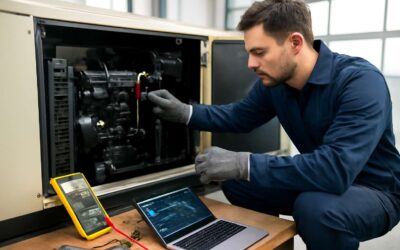
Maintenance ease is not merely a convenience—it is a cornerstone of operational reliability. Generators equipped with accessible components, clear inspection points, and user-friendly interfaces tend to perform better over the long haul. Regular checks on oil levels, filters, and cooling systems are essential, but the true marvel lies in how intuitively these tasks can be performed. For instance, a generator with a straightforward oil drain port or modular filters simplifies routine upkeep. This harmony of design and function fulfills the essential requirements for generators, transforming maintenance from a chore into a manageable ritual.
Moreover, durability is bolstered by components crafted from high-quality materials that resist corrosion and wear. The inclusion of robust cooling systems and weather-resistant casings ensures the generator’s resilience against South Africa’s diverse climate challenges. When selecting a generator, it’s crucial to consider these durability factors, as they directly influence the lifespan and reliability of the power source. After all, a generator that withstands the test of time and demands minimal maintenance embodies the very essence of optimal requirements for generators, securing peace of mind and uninterrupted power supply.
Expected Lifespan
In the realm of power solutions, the longevity of a generator hinges on meeting specific requirements for generators that prioritize both maintenance and durability. An impressive statistic reveals that a well-maintained generator can outlast its counterparts by up to 50%, proving that choosing the right model is essential for long-term reliability. The expected lifespan of a generator, often stretching beyond 10,000 hours of operation, depends heavily on how well it adheres to these fundamental requirements.
Durability is not merely a matter of raw materials; it’s about how these materials withstand South Africa’s diverse climate conditions—from coastal humidity to inland heat. High-quality components crafted from corrosion-resistant alloys, combined with weatherproof casings, ensure the generator remains resilient over time. Maintenance ease—another critical requirement for generators—further extends its operational life. Regular inspection points, accessible filters, and straightforward oil change procedures turn routine upkeep into a manageable ritual rather than a burdensome task.
- Robust cooling systems designed to prevent overheating in South Africa’s hot summers.
- Corrosion-resistant enclosures that guard against moisture and dust.
- High-grade, wear-resistant parts that resist fatigue and prolong service life.
Ultimately, the harmony between durable construction and ease of maintenance ensures your generator will serve faithfully through countless storms and sunny days. It’s this symphony of resilience and practicality that embodies the very essence of the requirements for generators—turning dependable power into a promise kept over time.
Warranty and Support
When it comes to ensuring your generator stands the test of time, maintenance and durability are the cornerstones of reliable power. A well-designed generator that meets the requirements for generators in South Africa must be easy to service and built to endure our often harsh climate conditions. Regular maintenance—like checking filters, inspecting oil levels, and cleaning cooling systems—becomes straightforward when the design prioritizes accessibility and simplicity. This proactive approach can significantly extend the operational life of your generator, ensuring it remains a steadfast power source through countless storms and heatwaves.
Durability hinges on robust construction and high-quality components. To withstand South Africa’s diverse weather—from coastal humidity to inland heat—generators should feature corrosion-resistant enclosures and weatherproof casings. High-grade parts resistant to fatigue, combined with efficient cooling systems, prevent overheating and corrosion, thereby enhancing longevity. For peace of mind, many top-tier models come with warranties and support networks that guarantee prompt assistance and parts replacement, reinforcing the importance of choosing generators that align with these essential requirements for generators.
Environmental and Location Considerations
Operating Environment
In the rugged landscapes of South Africa, where power outages can strike unpredictably, understanding the requirements for generators is essential for ensuring resilience. The operating environment plays a pivotal role in determining the longevity and efficiency of your generator. Harsh weather conditions—extreme heat, humidity, or dust—can significantly impact performance, making it critical to select models designed for such environments. For outdoor installations, weatherproof enclosures and corrosion-resistant materials become non-negotiable. Additionally, the location’s accessibility influences maintenance routines and safety protocols.
When considering where to install your generator, evaluate factors like ventilation, proximity to living spaces, and noise restrictions. For instance, generators located near residential zones must adhere to noise level standards to prevent disturbances. To navigate these complexities, it’s advisable to follow a set of key requirements for generators that address environmental resilience and safe operation. These requirements often include proper ventilation, stable mounting surfaces, and protection from environmental elements, all crucial for optimal performance and safety in South Africa’s diverse climate.
Ventilation Needs
In the quest to harness reliable power amidst South Africa’s unpredictable climate, understanding the requirements for generators becomes more than mere necessity—it transforms into a vital safeguard. Environmental and location considerations are the bedrock upon which resilient power solutions are built. Proper ventilation isn’t just a technicality; it’s the lifeblood that prevents overheating and ensures continuous operation in sweltering heat or humid conditions.
When installing a generator outdoors, selecting a site with adequate airflow is paramount. Think of the generator as a living organism—breathing through its ventilation system, it needs fresh air to perform optimally. Poorly ventilated units risk overheating, leading to premature failure and costly downtime. For this reason, the requirements for generators often specify clear guidelines for ventilation, emphasizing the importance of open spaces and unobstructed airflow.
To enhance safety and longevity, consider these crucial environmental factors:
- Placement away from dust and debris, which can clog cooling systems
- Elevation above flood-prone areas, safeguarding against water ingress
- Shielding from direct sunlight to prevent excessive heat buildup
In essence, the location’s accessibility, coupled with the environmental safeguards, shapes the performance and durability of your generator. These requirements for generators are not merely recommendations—they are the pillars that uphold resilience in South Africa’s diverse climate, ensuring your power source remains steadfast when most needed.
Placement and Storage
Choosing the right location for your generator isn’t just about convenience—it’s a vital part of meeting the essential requirements for generators in South Africa’s varied climate. Proper placement ensures optimal ventilation, which is crucial for preventing overheating and extending the lifespan of your power source. An outdoor site with ample airflow allows the generator to breathe, reducing the risk of costly breakdowns during peak usage.
Storage considerations are equally important. Generators should be kept in a sheltered yet well-ventilated area, away from dust, debris, and direct sunlight. Elevated positioning above flood-prone zones can protect against water damage, safeguarding your investment in unpredictable weather conditions. For added safety, an ideal location also minimizes exposure to corrosive elements while maintaining easy access for maintenance and refueling.
- Choose a site with unobstructed airflow and shade.
- Ensure the area is free from dust and debris that can clog cooling systems.
- Opt for elevation to prevent flood damage.
In South Africa, where climate variability is the norm, these environmental and location considerations align with the core requirements for generators, ensuring reliable, long-lasting power when it’s needed most. Proper placement and storage aren’t just technicalities—they’re the foundation of a resilient energy solution.

0 Comments