Understanding 50 Amp Generators
Overview of 50 Amp Generators
In the intricate dance of power management, understanding the essence of generators 50 amp reveals a compelling narrative of resilience and adaptability. These robust units serve as the backbone for heavy-duty applications, seamlessly bridging the gap between raw energy and precise functionality. Their formidable capacity ensures that essential appliances, from high-powered tools to sophisticated electronic systems, remain operational amidst unpredictable conditions.
At the core of generators 50 amp lies a meticulous engineering design, engineered to handle substantial electrical loads with unwavering reliability. Their versatility is often underestimated, yet it is precisely this trait that makes them indispensable in both commercial and recreational settings. For example, when considering the power needs of a large RV or a construction site, these generators stand out as the optimal choice for delivering sustained, high-capacity energy.
To better appreciate their utility, it helps to recognise their compatibility with various power configurations and the inherent safety features that accompany their use. In fact, many models incorporate advanced surge protection and durable housing, ensuring longevity and consistent performance. Whether for emergency preparedness or demanding industrial environments, understanding the nuances of generators 50 amp can be a game-changer in selecting the right power solution.
Difference Between 50 Amp and Other Generator Sizes
Understanding the difference between generators 50 amp and other sizes isn’t just a matter of numbers—it’s about grasping the true power dynamics at play. Unlike smaller models, 50 amp generators deliver a robust flow of electricity, capable of supporting heavy-duty equipment and large-scale setups. This distinction becomes critical when powering high-demand appliances or multiple devices simultaneously.
While generators 30 amp might suffice for a weekend camping trip, they fall short in industrial or RV applications that demand sustained, high-capacity energy. The key lies in their power output: 50 amp models can handle more than double the load, making them indispensable for serious power needs. For instance, when choosing a generator for a construction site, understanding this variance can mean the difference between operational success and costly downtime.
To clarify, here’s a quick comparison:
- Generators 50 amp provide higher amperage, supporting larger electrical loads.
- They often feature advanced safety and surge protection, ensuring longevity and consistent performance.
Recognising these fundamental differences is vital for anyone seeking a reliable, high-capacity power source—because when it comes to generators 50 amp, size truly does matter!
Common Uses and Applications
In the realm of power, generators 50 amp stand as titans, summoning a formidable surge of energy to sustain grand ventures and vital operations. Their common uses span a vast landscape—from fueling bustling construction sites to energising entire RV parks, where the demand for reliable, high-capacity power is relentless. These generators are not mere tools; they are the heartbeat of large-scale projects and adventurous escapes, transforming raw potential into tangible force.
Whether it’s powering heavy-duty machinery or supporting multiple high-demand appliances simultaneously, generators 50 amp are designed to handle the load with unwavering resilience. For example, they are often employed in:
- Construction sites, where robust power supports cranes, lighting, and tools.
- Large recreational vehicles, providing seamless energy for onboard appliances and systems.
- Event venues, ensuring lighting, sound, and climate control operate without interruption.
In essence, the true strength of generators 50 amp lies in their ability to support complex, high-demand environments, making them the cornerstone of serious power solutions.
Features to Consider When Choosing a 50 Amp Generator
Power Output and Wattage Capacity
When selecting a generator 50 amp, understanding its power output and wattage capacity is crucial—yet often overlooked—aspect that can make or break your setup. The capacity determines how much power your appliances and tools can draw simultaneously, which is especially vital for those relying on generators 50 amp for essential operations. A generator with insufficient wattage can leave you stranded in moments of need, while one with too much may be an unnecessary expense.
Opting for a model with adjustable power settings can provide versatility and peace of mind. Look for features like surge capacity, which accommodates temporary spikes in power demand. It’s also essential to consider the continuous wattage rating, ensuring your generator can handle daily loads without fatigue. For those who need reliability, selecting a generator 50 amp with a wattage capacity that exceeds your peak requirements guarantees smooth operation even during demanding tasks.
- Peak versus continuous wattage ratings
- Built-in safety features to prevent overloads
- Efficiency in fuel consumption for long-term use
In a world where power is life’s invisible thread, choosing the right generator 50 amp isn’t just about numbers—it’s about securing the comfort and safety of your home, family, or livelihood. When you understand the significance of power output and wattage capacity, you’re better equipped to make a choice that will serve you reliably, day after day, through every storm and sunny day alike.
Portability and Size
When selecting a generators 50 amp, the size and portability often determine whether it will serve your needs effectively or become an unwieldy burden. A compact, lightweight model offers easier transportation and storage, making it ideal for emergency use or job sites where mobility is crucial. Conversely, larger units tend to provide higher wattage output but can be cumbersome to move around, especially if frequent relocation is necessary.
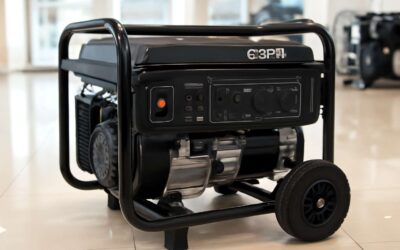
Understanding the importance of size, it’s helpful to consider features such as built-in handles, wheels, or foldable components, which can dramatically enhance usability. For those who need a portable solution, a generators 50 amp with a smaller footprint and ergonomic design will reduce strain and improve convenience. Ultimately, balancing size with power capacity ensures your generator remains practical without sacrificing essential performance.
Some models incorporate smart features like collapsible handles or compact storage cases, further enhancing portability. Whether you’re powering a construction site or supporting an emergency backup system, choosing a generator 50 amp that aligns with your mobility requirements can make all the difference in seamless operation and effortless transport. After all, a generator that’s easy to move is a generator you’ll actually use when it matters most!
Fuel Types and Efficiency
In the realm of generators 50 amp, the choice of fuel type and efficiency is akin to selecting the heartbeat of your power source. It’s a decision that echoes through your operations, influencing both environmental impact and operational costs. Among the most common fuel options are petrol, diesel, and propane — each with its own symphony of advantages and nuances. Petrol generators 50 amp are lauded for their swift start-up and portability, perfect for transient needs. Diesel units, on the other hand, offer a rugged endurance, ideal for heavy-duty tasks where longevity matters. Propane models provide a cleaner-burning alternative, often championed by users seeking eco-friendly solutions.
Understanding the efficiency of your generator becomes paramount in ensuring that each drop of fuel translates into maximum power with minimal waste. Some generators 50 amp are equipped with smart features such as fuel gauges and automatic shut-offs, safeguarding against overuse and extending operational life. This technological finesse can transform a simple device into a reliable partner, especially during critical moments. When choosing among these options, consider the frequency of use, environmental conditions, and budget — for in this delicate dance of power and sustainability, the right fuel type can make all the difference!
Durability and Build Quality
When investing in generators 50 amp, durability and build quality aren’t just fancy buzzwords — they’re the backbone of a reliable power source. Think of your generator as a sturdy steed; if it’s built like a house of cards, you’re bound to be left in the dark when you need it most. Robust materials, reinforced frames, and high-quality components ensure your generator can withstand the rigours of regular use and the occasional unexpected jolt.
To gauge a generator’s resilience, pay close attention to its construction. Features such as corrosion-resistant panels and heavy-duty wiring can significantly extend its lifespan. For those seeking peace of mind, it’s wise to consider models with reinforced protective covers and vibration dampening technology. After all, a generator that’s built to last isn’t just about longevity — it’s about trust, especially during critical moments. When choosing among generators 50 amp, opt for models that boast a reputation for rugged durability, ensuring your investment remains steadfast no matter the environment or workload.
Additional Features (Outlets, Panels, Safety)
Choosing the right generators 50 amp involves more than just wattage; it demands careful consideration of the additional features that ensure safety, convenience, and longevity. A well-designed control panel, for instance, acts as the command centre of your generator, providing intuitive access to essential functions and monitoring capabilities. The number and types of outlets are equally crucial—look for models that offer versatile configurations such as 50 amp outlets alongside standard 120V sockets, accommodating a broad range of appliances and tools.
Safety features, often overlooked, are paramount. Automatic shut-off mechanisms protect against overloads, while ground-fault circuit interrupters (GFCIs) add an extra layer of security during operation. When browsing through options, keep an eye out for generators 50 amp that include comprehensive safety panels, clear indicator lights, and durable wiring systems—these elements form the backbone of a dependable, secure power source. After all, a generator’s true value is reflected not just in its power output but in the peace of mind it provides amidst unpredictable circumstances.
To facilitate optimal performance, some models also incorporate vibration dampening technology and corrosion-resistant panels, further enhancing their resilience. Whether for residential backup, construction sites, or recreational applications, these features make all the difference. The right combination of additional outlets, safety mechanisms, and protective features transforms a basic generator into a reliable partner—ready to deliver power with unwavering consistency, no matter the challenge.
Top Brands and Models of 50 Amp Generators
Leading Manufacturers in the Market
Among the myriad of options available, certain brands stand out as paragons of reliability and innovation in the realm of generators 50 amp. Leading manufacturers such as Honda, Generac, and Westinghouse have etched their names into the landscape with a confluence of durability, advanced technology, and user-centric design. Honda’s reputation for producing compact yet powerful generators 50 amp that seamlessly blend portability with robust performance is unmatched. Meanwhile, Generac’s extensive lineup showcases models that excel in both residential and commercial settings, often boasting cutting-edge features like smart app connectivity and enhanced safety mechanisms. Westinghouse, renowned for its affordability without compromising quality, offers a variety of generators 50 amp that appeal to those seeking high wattage capacity paired with longevity.
An exploration of these top brands reveals a shared commitment to innovation and resilience, often reflected in their best models. For instance, Generac’s Guardian series exemplifies versatility with its versatile outlets and automatic transfer switch, making it a favourite among professionals. Similarly, Honda’s EU series exemplifies precision engineering with quiet operation and fuel efficiency. These brands continually push the envelope, ensuring that consumers are equipped with generators 50 amp that are as dependable as they are sophisticated.
Best-Selling 50 Amp Generator Models
In the competitive world of generators 50 amp, certain brands have emerged as industry leaders due to their unwavering commitment to quality and innovation. Among these, Honda, Generac, and Westinghouse consistently deliver models that stand out in reliability and performance. These manufacturers have refined their offerings to meet diverse needs, from home backup power to large-scale commercial applications.
For those seeking the best-selling 50 amp generators, some models have gained widespread acclaim. Generac’s Guardian series, for example, is renowned for its automatic transfer switch and versatile outlets, making it a top choice for professionals and homeowners alike. Honda’s EU series impresses with its quiet operation and fuel efficiency, proving that power doesn’t have to come at the expense of tranquillity. Westinghouse offers affordable yet durable options, ensuring high wattage capacity without breaking the bank.
- Generac Guardian Series
- Honda EU Series
- Westinghouse WGen Series
Product Comparisons and Key Differentiators
In the realm of generators 50 amp, certain brands have etched their names into the annals of reliability and innovation. These manufacturers do more than just produce power; they craft enduring symbols of dependability tailored for both residential sanctuaries and bustling commercial hubs. Among them, Honda, Generac, and Westinghouse stand out, not merely for their market dominance but for their unwavering commitment to excellence.
When comparing the top models, the distinctions are often rooted in their core features. Generac’s Guardian series, for instance, boasts an automatic transfer switch, a feature that seamlessly transitions power during outages—an essential trait for critical applications. Honda’s EU series, known for its whisper-quiet operation, elevates efficiency without sacrificing serenity, making it a favourite among those seeking tranquillity. Conversely, Westinghouse’s offerings are celebrated for affordability paired with robustness, ensuring high wattage capacity at a price point that appeals to budget-conscious buyers.
- Generac Guardian Series – the epitome of smart, reliable backup power
- Honda EU Series – a symphony of quiet efficiency and longevity
- Westinghouse WGen Series – affordability without compromise
Each brand has honed its craft, creating models that serve a spectrum of needs—whether powering a home during a storm or supporting demanding commercial operations. The diversity among these generators 50 amp underscores their pivotal role in safeguarding the flow of life’s critical moments.
Installation and Usage Tips for 50 Amp Generators
Proper Setup and Connections
Setting up a generator 50 amp is akin to orchestrating a symphony—each connection must be precise, deliberate, and harmonious. An improper installation can turn your power source into a flickering shadow rather than a reliable beacon. To ensure seamless operation, begin by securing the generator on a stable, level surface, free from moisture and debris, to prevent any unforeseen disruptions.
Proper connections are the heartbeat of a safe and efficient setup. When wiring a generator 50 amp, always double-check that your power cords and outlets are rated for the specific amperage. It’s wise to use heavy-duty, weather-resistant cables that can withstand the elements and minimise wear over time. Before powering up, inspect all connections for tightness and integrity—loose fittings can cause sparks or electrical faults that compromise safety.
For optimal safety, consider installing a transfer switch—this device acts as a gatekeeper, preventing backfeed and protecting your home’s wiring system. When connecting your generator 50 amp, follow a logical sequence: first, connect the ground, then the neutral, and finally the hot wires. This method ensures a balanced load and reduces the risk of overloads. Remember, consulting the manufacturer’s manual or seeking professional advice can make all the difference in transforming a simple setup into a fortress of dependable power.
Safety Precautions
Installation and proper usage of generators 50 amp are crucial steps that demand both precision and vigilance. Even a minor oversight during setup can turn a reliable power source into a safety hazard. When installing your generator 50 amp, always ensure it is placed on a sturdy, level surface, away from moisture and debris, to prevent instability and electrical faults. This careful positioning safeguards the equipment and ensures optimal performance.
During operation, safety precautions should never be overlooked. Always use heavy-duty, weather-resistant cables rated for 50 amp loads to withstand the elements and reduce wear over time. Before powering up, double-check all connections for tightness—loose fittings can cause sparks or electrical faults that compromise safety. For added protection, consider installing a transfer switch, which acts as a barrier to backfeed, preventing dangerous electrical backflow into the mains.
- Connect the ground first, ensuring proper earthing of the generator.
- Next, attach the neutral wire, followed by the hot wires, maintaining a logical sequence to prevent overloads.
- Finally, verify all connections are secure and free from damage before starting the generator 50 amp.
By adhering to these installation and usage tips, users can enjoy the full benefits of their generators 50 amp while maintaining a safe and dependable power system. Remember, consulting the manufacturer’s manual or seeking professional advice can often be the difference between a smooth operation and unforeseen complications—never underestimate the importance of expert guidance in setting up your generator 50 amp properly.
Maintenance and Troubleshooting
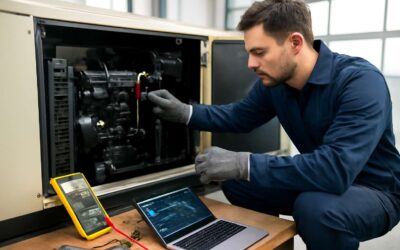
Maintaining your generators 50 amp is vital to ensure longevity and peak performance, especially when used in demanding environments. Regular inspection of connections, fuel systems, and ventilation can significantly reduce downtime and prevent costly repairs. A simple yet effective maintenance routine involves checking the oil levels, cleaning air filters, and ensuring the exhaust system is unobstructed. These steps not only prolong the lifespan of your generator but also enhance safety during operation.
When troubleshooting issues with your generators 50 amp, it helps to follow a systematic approach. Start by examining the power output; if the generator isn’t delivering the expected wattage, investigate potential causes such as loose wiring or faulty circuit breakers. Listen for unusual noises or vibrations—these often signal mechanical problems that require attention. If issues persist, consulting the manufacturer’s manual or seeking professional assistance can save time and prevent further damage.
For ongoing performance, consider implementing a scheduled maintenance plan that includes:
- Regular oil changes
- Checking and tightening all electrical connections
- Testing safety features like circuit breakers and transfer switches
Incorporating these practices ensures your generators 50 amp remain reliable, safe, and ready to power your necessities when you need them most. Remember, a well-maintained generator is the backbone of any dependable energy system, especially in critical applications where power stability is non-negotiable.
Maximizing Efficiency and Longevity
In the realm of high-capacity power solutions, the installation and usage of generators 50 amp demand a meticulous approach that balances efficiency with longevity. Proper setup begins with ensuring the generator is positioned on a stable, level surface, away from exhaust fumes and moisture—factors that could compromise its integrity over time. Connecting your generator 50 amp correctly is crucial; using the appropriate heavy-duty cables and securing all connections eliminates the risk of energy loss and electrical hazards.
To maximise performance, it’s wise to follow a systematic procedure during operation. For instance, alternating between load demands gradually helps prevent sudden stress on the generator, which can otherwise lead to premature wear or mechanical failure. When integrating a generator 50 amp into your energy infrastructure, consider the following:
- Ensure the transfer switch is compatible and correctly wired
- Monitor fuel levels consistently, especially during extended use
- Keep ventilation unobstructed to prevent overheating and maintain optimal airflow
By adhering to these detailed installation and usage tips, the lifespan of your generators 50 amp not only extends but also guarantees a resilient and reliable power source in critical moments. Remember, precision during setup and attentive operation transform a sturdy machine into an enduring powerhouse, ready to face the demands of any challenging environment.
Cost and Budgeting for a 50 Amp Generator
Price Range and What to Expect
When it comes to investing in generators 50 amp, understanding the cost and budgeting landscape is crucial. The price range for these powerful units can vary dramatically, depending on features, brand reputation, and overall wattage capacity. On the lower end, you might find basic models starting around £600, perfect for light-duty applications or backup power. However, if you’re after a robust, feature-rich generator, prices can soar upwards of £2,500 or more.
Expect to pay a premium for advanced safety features and enhanced durability, which are essential for long-term reliability. For most buyers, setting a realistic budget involves considering both upfront costs and ongoing expenses such as fuel and maintenance. While some might be tempted to cut corners, remember that a well-chosen generators 50 amp can be an investment in peace of mind and uninterrupted power supply. To help navigate the market, here’s a quick overview of what you might encounter:
- Basic models with essential features—around £600 to £1,200
- Mid-range options with added safety and efficiency—£1,200 to £1,800
- High-end, heavy-duty generators 50 amp with all the bells and whistles—£1,800 and above
Ultimately, balancing your power needs with your budget ensures you get the best bang for your buck without sacrificing reliability or performance in your generators 50 amp.
Cost of Maintenance and Accessories
Maintaining a 50 amp generator isn’t just about initial investment — ongoing costs can quietly add up if you’re not vigilant. Expect regular expenses such as fuel, oil changes, and routine inspections, which are vital to keep your generator performing optimally. The cost of maintenance varies depending on the usage frequency and the quality of the unit, but it’s wise to allocate a budget for unforeseen repairs or part replacements.
Accessories further enhance the functionality of your generators 50 amp, yet they come with their own price tags. Essential extras like heavy-duty extension cords, transfer switches, and robust protective covers can elevate your setup’s efficiency and safety. Here’s a quick list of common accessories and their approximate costs:
- Heavy-duty extension cords — £50 to £150
- Transfer switches — £200 to £500
- Protective covers — £30 to £80
When budgeting, it’s crucial to factor in both the initial purchase of the generator and these supplementary items. Remember, a well-maintained generator 50 amp with the right accessories not only ensures reliable power but also extends its lifespan, providing peace of mind when it matters most. The right investment today can prevent costly repairs tomorrow, especially when dealing with high-capacity units that demand precision and care.
Value for Money: Investing in Quality
In the realm of generators 50 amp, understanding the true cost extends beyond the initial purchase price. An investment in quality often yields long-term savings, as a well-crafted generator can serve faithfully for years to come. The real challenge lies in balancing the upfront expense with ongoing expenses—fuel, routine inspections, and occasional part replacements—that keep your generator performing at its peak.
For those seeking value for money, it’s worth considering the durability and build quality of your chosen model. Premium generators 50 amp may come with a higher initial price tag but often prove more economical over time, thanks to fewer repairs and less frequent maintenance. When budgeting, consider including essential accessories such as transfer switches and protective covers, which bolster both safety and efficiency. A comprehensive approach to budgeting ensures your investment not only powers your needs today but safeguards your peace of mind for tomorrow.
Legal and Safety Regulations for 50 Amp Generators
Local Building and Electrical Codes
When it comes to operating generators 50 amp, legal and safety regulations aren’t just bureaucratic hurdles—they’re the backbone of safe, compliant power management. Ignoring local building and electrical codes can turn what should be a reliable backup into a hazardous situation faster than you can say “fuse blowout.” Every jurisdiction has its own set of rules, so it’s essential to do your homework before firing up that beast. Think of these codes as the fine print that keeps everyone safe and your insurance intact.
Most importantly, adhering to local building and electrical codes ensures that your installation is structurally sound and electrically safe. For example, some regions require a licensed electrician to perform installations or inspections, especially when connecting a generator 50 amp to a home’s electrical system. This isn’t just red tape—it’s about preventing fires, electrocution, and ensuring your generator operates without a hitch.
- Ensure your setup complies with the National Electrical Code (NEC) or local amendments.
- Use appropriate wiring and connectors rated for generator 50 amp capacity.
- Secure necessary permits before installation—think of it as the VIP pass to safe operation.
Remember, playing fast and loose with safety regulations isn’t just irresponsible; it’s potentially dangerous and illegal. Staying within the bounds of local building and electrical codes is the best way to keep your generator running smoothly, and your peace of mind intact. After all, a compliant setup isn’t just about legality—it’s about protecting your home, loved ones, and your wallet from avoidable mishaps.
Proper Licensing and Certifications
In the realm of power resilience, few investments demand the precision and adherence to regulation that generators 50 amp do. Their formidable capacity, capable of delivering substantial wattage, commands respect and a meticulous approach to licensing and certification. Operating such a generator without proper authorisation isn’t merely a breach of protocol; it jeopardises safety and legal integrity, risking hefty penalties and compromised safety.
Ensuring proper licensing entails engaging qualified professionals who possess a thorough understanding of local electrical standards. A certified electrician not only guarantees compliance but also alleviates the latent dangers lurking in improper connections. Their expertise ensures that every aspect—from wiring to grounding—is executed flawlessly, aligning with stringent safety regulations.
Most jurisdictions require a series of steps to legitimise the installation of generators 50 amp, including:
- Obtaining necessary permits from local authorities.
- Engaging licensed electricians for installation and inspection.
- Using wiring and connectors rated specifically for 50 amp capacity.
This disciplined approach acts as a safeguard—protecting your property, loved ones, and peace of mind. Remember, legality and safety are not mere formalities; they are the foundation upon which reliable, durable power solutions stand. Ignoring these regulations can turn a seemingly simple backup system into a hazardous liability, undermining the very purpose of owning a generator 50 amp.
Safety Best Practices
When it comes to generators 50 amp, safety and legality aren’t just buzzwords—they’re the backbone of responsible ownership. Operating a 50 amp generator without adhering to local electrical standards isn’t a smart shortcut; it’s a potential disaster waiting to happen. A hefty fine, legal repercussions, or worse—safety hazards—are the stakes for ignoring proper regulations.
To keep everything above board, most jurisdictions require a series of steps before firing up your generator 50 amp. First, securing the necessary permits from local authorities is non-negotiable. Then, engaging licensed electricians for installation guarantees that every connection, from wiring to grounding, meets the strictest safety standards. It’s worth noting that wiring rated specifically for 50 amp capacity isn’t just a recommendation—it’s a legal requirement that safeguards your property and loved ones.
Safety best practices also include inspecting all outlets, panels, and connections regularly. Remember, a generator 50 amp is powerful enough to cause serious injury or damage if mishandled. Following local building and electrical codes isn’t just bureaucratic red tape; it’s a vital step in ensuring your power backup system operates reliably and safely. After all, professionalism in installation and compliance isn’t just about legality—it’s about peace of mind in a world where power failures are inevitable.

0 Comments