Overview of Generators in Europe
Market Trends and Growth
In the shifting landscape of energy solutions, generators Europe stand as a testament to resilience and innovation. The market’s trajectory is marked by a steady expansion driven not only by technological advancements but also by an increasing demand for reliable power sources across diverse sectors. Recent data suggests that the European generator market is projected to grow at a compound annual growth rate (CAGR) of around 5% over the next five years—a reflection of both economic shifts and environmental considerations.
This growth is fuelled by a complex web of influences, from the push for renewable energy integration to the necessity for backup power in remote or disaster-prone regions. The industry is witnessing a notable shift towards sustainable solutions, with hybrid generators and eco-friendly models gaining prominence. As the market evolves, it’s clear that generators Europe are not merely utilitarian devices but integral components of a broader energy strategy, blending reliability with sustainability.
Market players are increasingly emphasising innovation, with some adopting smart technology that enables remote monitoring and maintenance. The focus on efficiency and durability is reshaping consumer expectations, pushing the industry toward more sophisticated and environmentally conscious offerings. The future of generators in Europe is undeniably intertwined with the continent’s broader push for a greener, more resilient energy landscape.
Types of Generators Popular in Europe
Generators in Europe have evolved into more than mere machines; they are the heartbeat of resilience across diverse sectors. In a landscape where power disruptions can spell disaster, understanding the different types of generators available is crucial. The market is teeming with options, each designed to meet specific needs—from small-scale portable units to massive industrial powerhouses.
Among the most popular generators in Europe, you’ll find diesel, petrol, and hybrid models. Diesel generators dominate due to their durability and efficiency, especially in remote or industrial locations. Petrol generators, on the other hand, are lightweight and suitable for smaller, portable applications. Increasingly, hybrid generators are gaining traction—combining renewable energy sources with traditional fuel to create eco-friendly solutions that align with Europe’s green ambitions.
For those seeking sophistication, smart technology-driven generators are revolutionising the industry. These units offer remote monitoring, predictive maintenance, and enhanced efficiency, making them indispensable in modern energy strategies. Whether for backup power, construction sites, or off-grid locations, the variety of generators Europe offers is vast, each tailored to a specific need in this ever-evolving market.
Key Industries Using Generators
Across the vast landscape of Europe, generators play an indispensable role in powering the heartbeat of key industries. From bustling manufacturing hubs to remote mining operations, their presence is both silent and essential. In sectors such as construction, healthcare, and data centres, reliable energy is not just a convenience but a lifeline—dictating success or failure in moments of crisis.
In the realm of industrial applications, diesel generators often stand centre stage, revered for their robustness and longevity. Meanwhile, the burgeoning demand for eco-friendly solutions has propelled hybrid generators into the spotlight, aligning perfectly with Europe’s ambitious sustainability goals. These versatile units seamlessly merge renewable energy sources with traditional fuels, exemplifying innovation in power generation.
Key industries relying on generators in Europe include:
- Construction and infrastructure development
- Healthcare facilities requiring uninterrupted power supply
- Data centres safeguarding digital assets
- Agriculture and off-grid farming operations
As the market evolves, the integration of smart, technologically advanced generators is reshaping the landscape. These units offer remote monitoring and predictive diagnostics, ensuring efficiency and resilience in an increasingly connected world. For Europe’s diverse industries, generators are not merely machines—they are the silent guardians of progress and stability.
Types of Generators Available in Europe
Portable Generators
In the labyrinth of modern power needs, portable generators stand as beacons of resilience, their hum a promise of unwavering energy amidst chaos. Across generators Europe, these versatile marvels come in a symphony of types, each crafted to meet diverse demands with precision and grace. Whether it’s the transient roar of a camping adventure or the steadfast pulse of a construction site, the right generator transforms uncertainty into certainty.
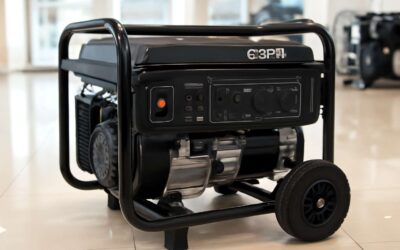
Among these, inverter generators shine with a delicate whisper, providing clean, stable power that’s perfect for sensitive electronics. Conventional portable generators, robust and unyielding, deliver higher wattage for demanding tasks. For those seeking mobility without sacrificing power, lightweight and compact models are a revelation—easy to carry, yet mighty in their output.
- Inverter generators — silent, efficient, ideal for delicate electronics.
- Open-frame portable generators — rugged, high-capacity, suited for heavy-duty needs.
- Compact units — lightweight, easily transportable, perfect for camping or emergency use.
Standby Generators
Standby generators are an essential component of Europe’s evolving energy landscape, offering reliable power during outages and emergencies. These robust units are designed to automatically activate when mains power fails, ensuring uninterrupted operation for homes, businesses, and critical infrastructure. In the diverse terrain of generators Europe, standby models often feature sophisticated automation systems that optimise fuel efficiency and minimise environmental impact, aligning with Europe’s push towards greener energy solutions.
Typically, these generators are available in various configurations, from compact residential units to massive industrial-grade systems. The choice depends on the specific power requirements and the operational context. For instance, a small business may opt for a portable model with automatic backup capabilities, while large factories rely on heavy-duty, custom-built standby generators to sustain continuous production.
- Automatic activation and shut-off features
- Silent operation modes for urban environments
- Integration with existing power grids and renewable sources
Standby generators in Europe are not just about power; they embody a strategic approach to energy resilience, especially as the continent navigates complex political and environmental challenges. Their deployment underscores a commitment to maintaining societal stability and economic growth amidst unpredictable energy landscapes.
Industrial Generators
When it comes to the impressive array of generators Europe has to offer, the choices are as diverse as the continent itself. Industrial generators, in particular, stand out for their robustness and versatility, catering to a spectrum of demanding applications. Whether powering a sprawling manufacturing plant or supporting critical infrastructure, these units exemplify reliability and technical sophistication.
European manufacturers have perfected the art of crafting industrial generators that combine efficiency with durability. Options range from large-scale diesel-powered units to more environmentally conscious gas-powered models, each tailored to specific industry needs. For example, heavy-duty systems often feature advanced cooling techniques and custom configurations to sustain continuous operation under extreme conditions. Moreover, many models include integrated control systems that facilitate seamless operation and remote monitoring—truly a testament to Europe’s commitment to technological innovation in energy solutions.
- High-capacity diesel generators for industrial plant operations
- Gas-powered units aligned with Europe’s push for greener energy
- Hybrid solutions that optimise fuel efficiency and reduce emissions
In essence, the landscape of generators Europe offers a rich tapestry of options, ensuring that industries across the continent can find precisely the right power solution — robust, reliable, and often surprisingly sophisticated. These generators are not merely machines; they are the backbone of Europe’s industrial resilience and energy independence.
Solar-Powered Generators
Amidst the evolving landscape of energy solutions, solar-powered generators have quietly become a beacon of innovation within generators Europe. These eco-friendly marvels harness the sun’s abundant energy, transforming it into reliable power for a multitude of applications. Imagine a device that can operate silently in remote locations or during power outages, all while treading lightly on the planet — that’s the promise of solar-powered generators in Europe’s diverse market.
European manufacturers have tailored solar generators to meet the continent’s high standards for sustainability and efficiency. From compact units ideal for camping expeditions to large-scale systems powering renewable energy projects, the options are expansive. Here are some of the most compelling features found in modern solar generators available in Europe:
- Integrated high-capacity solar panels designed to maximise energy absorption
- Advanced battery storage systems ensuring continuous power supply even when the sun isn’t shining
- Smart control interfaces for seamless operation and real-time energy management
As the push for greener energy intensifies, solar-powered generators are increasingly becoming an essential component of Europe’s renewable energy initiatives. Their versatility and silent operation make them a favourite among outdoor enthusiasts, emergency responders, and sustainable businesses alike. These units exemplify Europe’s commitment to shaping a future where clean, reliable power is accessible to all, without compromising the environment or efficiency.
Top Brands and Manufacturers of Generators in Europe
Leading European Generator Brands
When it comes to generators in Europe, a handful of brands stand out like beacons in a foggy industrial landscape. These top manufacturers have built reputations not just on reliability but on innovation, ensuring that Europe’s power needs are met with a combination of durability and cutting-edge technology. If you’re seeking generators in Europe that won’t leave you in the dark, it’s worth knowing which brands dominate the scene.
Leading European generator brands such as Atlas Copco, Fimer, and Pramac have carved out a niche by delivering products that balance power and efficiency. Atlas Copco, for instance, is renowned for its robust industrial generators that are a staple in manufacturing and construction sites across the continent. Meanwhile, Fimer’s focus on renewable energy solutions aligns well with Europe’s push towards greener alternatives. Pramac offers a diverse range of portable and standby generators, perfect for both emergencies and outdoor adventures.
For those who appreciate a bit of variety, these manufacturers often provide a spectrum of options, from small portable units to massive industrial setups. Choosing the right generator in Europe isn’t just about brand loyalty; it’s about matching the technology to your specific needs and environmental standards. After all, when the grid fails or a power outage strikes, it’s reassuring to know your trusted European brand has your back!
Major International Brands Operating in Europe
Europe’s power landscape is shaped by a handful of dominant brands that set the standard for reliability, innovation, and environmental consciousness. These manufacturers have earned their reputation by consistently delivering high-quality generators tailored to the continent’s diverse needs. Major international brands operating in Europe include Atlas Copco, Pramac, and Fimer, each bringing a unique approach to the market.
Atlas Copco, for example, is celebrated for its industrial-grade generators that excel in demanding environments like construction sites and manufacturing plants. Their machines are known for enduring tough conditions while maintaining peak performance. On the other hand, Pramac offers a versatile range of portable and standby generators, perfect for both emergency use and outdoor activities. Fimer stands out with its focus on renewable energy solutions, aligning with Europe’s push toward greener alternatives.
Some of the top brands and manufacturers of generators in Europe, reflecting both global reach and local adaptation, include:
- Honda, renowned for its portable generators that combine efficiency with portability
- Yanmar, known for durable diesel-powered models suitable for industrial applications
- Generac, offering innovative solutions for residential and commercial needs
These brands exemplify the rich diversity within the generators Europe market, ensuring that consumers and industries alike can find the perfect power solution—be it for resilience, sustainability, or convenience. When it comes to generators Europe continues to lead with a blend of legacy and forward-thinking innovation, illuminating pathways to reliable energy across the continent.
Emerging Manufacturers
In the bustling realm of generators in Europe, a new wave of emerging manufacturers is quietly shaking up the status quo. While giants like Honda and Yanmar continue to dominate, innovative startups and regional players are carving out their niches, proving that even in a market as mature as generators Europe, there’s room for fresh ideas and daring engineering. These newcomers often specialise in eco-friendly solutions, smart technology, and ultra-portable designs that appeal to the modern, environmentally conscious consumer.
What makes these emerging brands truly fascinating is their ability to blend cutting-edge technology with local expertise. For instance, some are focusing on solar-powered generators that align perfectly with Europe’s sustainability ambitions. Others are introducing modular systems that can be customised for industrial, residential, or outdoor uses, making them versatile and adaptable. Here are a few standout newcomers making waves in the generators Europe scene:
- Innovative start-ups focusing on renewable energy integration
- Regional manufacturers tailoring products for specific European markets
- Companies developing hybrid generator systems combining traditional fuel with solar power
These manufacturers are not just riding the wave of change—they’re steering it, ensuring that generators Europe remains a hotbed of innovation, resilience, and sustainability. With a sprinkle of ingenuity and a dash of determination, they’re proving that even in a mature industry, there’s always room for a fresh spark of brilliance.
Key Features to Consider When Buying Generators in Europe
Power Output and Capacity
In the realm of generators Europe, power output and capacity are not merely specifications—they are the very heartbeat of reliable energy. A generator’s ability to meet the demands of diverse environments hinges on its wattage and overall capacity. Whether powering a modest campsite or a sprawling industrial complex, understanding these parameters is essential. A high-capacity generator can effortlessly sustain multiple heavy-duty appliances, while a compact model suffices for lightweight needs.
When selecting a generator in Europe, consider these key factors:
- Maximum power output (measured in kilowatts or kW)
- Continuous versus surge capacity
- Efficiency and fuel consumption rates
- Compatibility with renewable energy sources, especially solar-powered generators
Choosing the right power capacity involves balancing immediate needs with future scalability. For example, industrial generators often boast robust capacities designed to support critical infrastructure, whereas portable options cater to seasonal or emergency requirements. It’s an intricate dance of endurance and efficiency that defines the essence of generators Europe—an arena where precision and performance intertwine seamlessly.
Fuel Types and Efficiency
In the enchanting landscape of generators europe, fuel type and efficiency are the twin stars guiding wise buyers towards the ideal choice. A generator’s fuel source not only influences its environmental footprint but also shapes its operational costs and versatility. Whether opting for traditional petrol or diesel models, or exploring greener pathways with natural gas or solar-powered options, each fuel type offers a distinct symphony of benefits and challenges.
Efficiency is the silent maestro conducting the harmony between power output and fuel consumption. A highly efficient generator maximises performance while minimising waste, ensuring that every joule of energy counts. For those who seek longevity and sustainability, renewable energy-compatible models weave seamlessly into the fabric of modern energy needs in Europe. When selecting a generator, consider these key factors:
- The compatibility of fuel types with your environment and infrastructure
- Fuel consumption rates and overall efficiency
- The availability and cost of fuel sources in your region
Balancing these elements can transform a simple purchase into a strategic investment—one that fuels resilience, efficiency, and ecological mindfulness across the diverse terrains of europe. Embracing the right fuel type isn’t just a decision; it’s a pledge to a brighter, more sustainable future powered by generators europe’s finest innovations.
Portability and Size
In the intricate ballet of choosing the perfect generator in Europe, portability and size often serve as the silent choreographers guiding the dance. As the heartbeat of many industries and outdoor pursuits, portable generators must strike a delicate balance—light enough to move with ease, yet robust enough to deliver dependable power. The size of the unit not only influences transport but also determines where it can be conveniently stationed, whether on a bustling construction site or tucked into a cosy camping nook.
When browsing through generators europe, consider how often you’ll need to relocate your power source. Lightweight, compact models excel in versatility, fitting snugly into vehicles or storage compartments. Conversely, larger industrial generators, though less mobile, offer unparalleled capacity for sustained energy demands. For those seeking the ideal synergy between mobility and power, a strategic selection of features becomes paramount—ensuring your generator is a seamless extension of your environment, not an unwelcome intruder.
Noise Levels
When selecting a generator in Europe, understanding noise levels is often overlooked but plays a crucial role in ensuring harmony with your environment. A loud generator can disrupt tranquil countryside retreats or disturb neighbours during outdoor gatherings. For those seeking peace and quiet, opting for models with lower decibel ratings is essential, especially in residential or sensitive areas.
Many generators europe manufacturers now prioritise sound reduction technology, offering quieter operation without sacrificing power. This feature becomes particularly valuable when using a generator in rural settings or during camping trips, where serenity is part of the experience. It’s worth noting that noise levels are measured in decibels (dB), and some units operate as quietly as a normal conversation, making them a preferred choice for outdoor enthusiasts and professionals alike.
In essence, balancing power capacity with noise output ensures that your generator not only meets your energy demands but also respects the peaceful surroundings. Whether for a bustling construction site or a quiet countryside retreat, considering the noise level is a fundamental step in choosing the ideal generator in Europe.
Compliance with European Standards
When seeking a generator that truly aligns with Europe’s diverse landscapes and strict standards, compliance with European standards is paramount. This ensures your generator is not only safe but also environmentally considerate, reducing emissions and adhering to noise regulations. Many manufacturers now design their units to meet certifications such as CE marking, which signifies conformity with health, safety, and environmental protection standards across Europe.
In addition to safety and environmental compliance, consider features like robust build quality and reliable performance under varying conditions. For instance, models that adhere to European standards often incorporate advanced insulation and protective measures, safeguarding both users and the environment. When choosing generators in Europe, it’s beneficial to look for those that have undergone rigorous testing and certification processes, ensuring peak performance and legal compliance.
- Check for CE certification to confirm adherence to European directives.
- Prioritise units with eco-friendly fuel consumption and emissions controls.
- Ensure the generator’s safety features meet European safety regulations, offering peace of mind during operation.
Regulations and Standards for Generators in Europe
European Union Certifications
In the intricate landscape of generators Europe, navigating the labyrinth of regulations and standards can feel like decoding a secret language. The European Union’s commitment to safety, efficiency, and environmental protection manifests through a rigorous framework of certifications that every generator must meet before hitting the market. These standards aren’t just bureaucratic hurdles; they serve as a guarantee of quality and reliability, crucial in a continent where energy resilience is increasingly vital.
Among the most pivotal certifications are the CE marking and the EN standards, which ensure that generators adhere to strict safety, electromagnetic compatibility, and environmental requirements. For manufacturers, compliance isn’t optional — it’s a gateway to credibility and acceptance across diverse European markets. To further clarify, here’s a quick overview of the core certifications that define generators Europe:
- CE certification — the hallmark of conformity across the European Economic Area.
- EN standards — encompassing safety, durability, and performance benchmarks.
- EMC compliance — ensuring generators do not interfere with other electronic devices.
Staying ahead in this regulated environment means understanding and integrating these standards into product development. After all, in the world of generators Europe, compliance is not just a legal obligation; it’s a strategic advantage that can make or break a manufacturer’s reputation in a fiercely competitive market.
Environmental Regulations
Environmental regulations for generators in Europe form a formidable tapestry woven with precision and foresight. These standards are not merely bureaucratic barriers but vital guardians of ecological harmony and public health. In the realm of generators Europe, compliance with these regulations ensures that power solutions do not compromise the delicate balance of our environment. The European Union’s unwavering commitment to sustainability manifests through stringent emissions limits and eco-design directives, compelling manufacturers to innovate with greener fuel options and cleaner technologies.
To uphold these standards, generators must meet a series of rigorous criteria, including:
- Restrictions on NOx and particulate emissions, aligning with EU air quality directives.
- Energy efficiency benchmarks set by eco-design regulations to minimise fuel consumption and environmental impact.
- Waste management and recycling protocols to promote sustainable lifecycle practices.
Adherence to these environmental regulations isn’t just about legality; it shapes the very soul of generators Europe, ensuring they serve as reliable yet responsible power providers in an increasingly eco-conscious continent. The integration of these standards transforms a simple generator into a symbol of innovation and sustainability, echoing Europe’s pledge to a greener future.
Safety Standards
Safety standards for generators in Europe are more than mere formalities—they are essential safeguards that protect users and the environment alike. In the realm of generators Europe, compliance with these strict regulations ensures that power sources operate reliably without compromising safety. European legislation mandates rigorous testing and certification processes, reinforcing the importance of quality and durability.
Manufacturers must adhere to a comprehensive set of safety criteria, including proper grounding, overload protection, and fail-safe mechanisms. These measures minimise risks such as electrical shocks or fires, which can have devastating consequences. To streamline compliance, many companies follow a structured approach outlined in standards such as EN 60749 and EN 62271.
Moreover, regulations often require clear safety instructions and warning labels on generators. This transparency helps users operate equipment responsibly and prevents accidents. In the competitive landscape of generators Europe, prioritising safety standards not only meets legal obligations but also builds trust with consumers seeking reliable and responsible power solutions.
Purchasing Options and Dealer Networks in Europe
Buying Online vs. Local Dealers
When it comes to acquiring generators in Europe, the options are as diverse as the industries they serve. Buyers often face a choice between purchasing online or visiting local dealer networks, each with its own set of advantages. Online shopping for generators europe offers unparalleled convenience, enabling customers to compare brands, specifications, and prices from the comfort of their home. This approach is especially appealing for those seeking specialised models or bulk orders, as digital platforms often provide access to a broader selection.
However, many still prefer the reassurance of dealing face-to-face with local dealers. These networks provide personalised service, immediate support, and the opportunity to inspect products firsthand. For critical applications, such as industrial or standby generators, local dealers can offer tailored advice and after-sales service, ensuring the right fit for specific power needs. In some cases, the choice between buying online versus from a local dealer hinges on the complexity of the generator required and the level of technical support desired.
- Assess your needs carefully, considering capacity, fuel type, and portability.
- Determine whether quick access to expert guidance outweighs the convenience of online purchasing.
- Investigate dealer networks across Europe to find authorised suppliers, ensuring compliance with European standards and certifications.
Warranty and Service Support
In a continent where energy needs are as diverse as its landscapes, the purchasing options for generators europe reflect a complex tapestry of choice. Whether opting for the immediacy of local dealer networks or the expansive reach of online platforms, buyers navigate a landscape rich with opportunity and nuance. Reliable dealer networks across Europe are instrumental in providing comprehensive warranty and service support, ensuring that even the most robust industrial generators operate smoothly over their lifespan.
For those who prioritise peace of mind, authorised dealer networks offer tailored after-sales assistance, maintenance, and parts replacement—vital components in safeguarding long-term investment. Many reputable suppliers also provide extended warranties, which can be a decisive factor in high-stakes applications.
- Access to authorised service centres
- Extended warranty options
- Prompt technical support
Meanwhile, purchasing online grants access to a broad spectrum of models with detailed specifications and customer reviews, often at competitive prices. Despite the convenience, it’s essential to verify the legitimacy of the seller and their compliance with European standards. After all, when it comes to essentials such as generators europe, reliability and compliance are non-negotiable. A seamless blend of trust, quality, and support remains the cornerstone of making the right choice in this dynamic market.
Distribution Channels
In Europe’s vast and varied landscape, choosing the right generator isn’t just about selecting the most powerful model; it’s about finding a trusted pathway that ensures reliability and peace of mind. With an array of purchasing options, consumers can navigate a complex yet rewarding marketplace. Local dealer networks offer personalised service, immediate support, and tailored maintenance, making them a favourite among those who value face-to-face interactions and quick response times.
On the other hand, online platforms provide access to an extensive selection of generators europe. Buyers can compare models, read customer reviews, and secure competitive prices—all from the comfort of their home. To make a wise choice, it’s crucial to verify the legitimacy of online sellers and ensure compliance with European standards. Whether opting for a local dealer or a trusted online retailer, the key is to prioritise quality, support, and safety at every turn.
Cost and Pricing of Generators in Europe
Price Range for Different Types
In the complex landscape of generators europe, understanding the cost and pricing structure is essential for making informed decisions. Prices vary significantly based on the type, capacity, and fuel efficiency of the generator, with options spanning a broad spectrum from budget-friendly models to high-end industrial units. For instance, portable generators typically start at around €300, offering a practical solution for small-scale needs, while standby generators can escalate to over €10,000 for robust, home emergency power systems. Industrial-grade machines, designed for continuous operation, often come with price tags exceeding €20,000, reflecting their impressive capacity and durability.
It’s crucial to recognise that the price range for different types of generators in Europe can be quite diverse. Factors such as brand reputation, compliance with European standards, and environmental certifications influence the final cost. A well-known European generator brand might command higher prices but offers superior reliability and after-sales support. Conversely, emerging manufacturers may provide more affordable options without compromising safety and efficiency.
- Portable generators
- Standby models
- Industrial units
These categories each have their unique pricing tiers, illustrating the importance of aligning budget with specific power requirements and operational longevity. The dynamic nature of generators europe markets means prices are continually shifting, driven by technological advances and regulatory changes—an intriguing puzzle for professionals and consumers alike.
Factors Affecting Cost
The price landscape of generators in Europe is as variegated as a tapestry—each thread representing a distinct factor that influences cost. While a modest portable generator might be available for a mere €300, investing in a robust industrial unit can easily exceed €20,000, reflecting their capacity and durability. It’s a marketplace where value isn’t solely dictated by the initial outlay but also by long-term operational expenses and compliance with European standards.
Several elements sway the final price of generators in Europe. Brand reputation, for instance, often commands a premium—trustworthy European brands tend to deliver reliability and better after-sales service, but at a higher cost. Conversely, emerging manufacturers may offer budget-friendly options that still meet crucial safety and environmental benchmarks. Factors such as fuel efficiency, noise levels, and portability further sway the affordability, demanding careful consideration from buyers who wish to balance budget with performance.
Moreover, the regulatory environment in Europe, with stringent environmental regulations and EU certifications, adds another layer of complexity to pricing. Manufacturers must invest heavily in compliance, which often translates into higher prices for consumers. This regulatory tapestry ensures that generators in Europe aren’t just powerful—they’re also safe, eco-friendly, and in harmony with the continent’s rigorous standards.
Cost-Benefit Analysis
In the realm of generators europe, the cost-benefit analysis is crucial for making informed purchasing decisions. While initial prices can vary dramatically—ranging from €300 for portable units to over €20,000 for industrial-grade models—evaluating long-term value is essential. Buyers should consider operational expenses, maintenance, and compliance with European standards, which often influence pricing significantly.
Understanding the true value of a generator involves examining several key factors. For example, a high-quality European brand may command a premium but typically offers superior reliability and after-sales support. Conversely, emerging manufacturers might provide budget-friendly options that still meet essential safety and environmental benchmarks. A well-balanced purchase aligns performance with affordability, especially when factoring in fuel efficiency, noise levels, and portability.
Ultimately, a thorough cost analysis reveals that the most economical choice isn’t always the cheapest. It’s about balancing initial investment against ongoing expenses, regulatory adherence, and the generator’s capacity to meet specific needs within the diverse landscape of generators europe. By prioritising these considerations, buyers can ensure they select a model that delivers both safety and value—without surprises down the line.
Maintenance and Troubleshooting Tips for Generators
Regular Maintenance Procedures
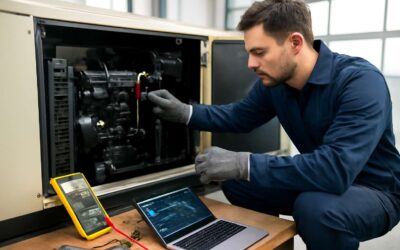
In the realm of generators Europe, neglecting regular maintenance is a gamble with high stakes. A well-maintained generator not only ensures optimal performance but also extends its lifespan, safeguarding your investment amid unpredictable power demands. Often overlooked, routine checks become a ritual of trust—an affirmation that your generator is ready to face the unforeseen. Maintenance procedures go beyond simple oil changes; they encompass inspecting fuel systems, testing safety features, and verifying electrical connections. Embracing a systematic approach can prevent costly breakdowns and reduce environmental impact.
One effective way to stay ahead is by adopting a maintenance schedule tailored to your generator’s capacity and fuel type. For example, diesel generators demand more frequent fuel system inspections, while solar-powered units require meticulous monitoring of photovoltaic panels. Troubleshooting common issues—such as irregular starting, unusual noises, or fluctuating output—becomes simpler when you understand your generator’s behaviour.
- Regularly check oil and coolant levels
- Ensure air filters are clean and unobstructed
- Test the alternator and battery condition
Remember, proactive maintenance is the cornerstone of reliability in generators Europe, especially as environmental and safety standards continue to evolve and tighten.
Common Issues and Solutions
In the intricate ballet of power reliability, even the most robust generators europe can falter if neglected. Troubleshooting common issues demands an attentive ear and a keen eye—listening for irregular starting sounds, noting fluctuations in output, or detecting unusual vibrations. Such symptoms often whisper of underlying problems—clogged filters, worn brushes, or corroded connections—that, if left unaddressed, could escalate into costly failures.
Regular inspection is the lifeblood of dependable operation. Ensure oil and coolant levels are pristine, and verify that air filters breathe freely—unobstructed pathways are vital for optimal combustion. Testing the alternator and battery condition forms another pillar of maintenance, safeguarding against sudden outages. For more stubborn glitches, a systematic approach—diagnosing step-by-step—can unveil hidden defects.
- Check fuel lines for leaks or blockages.
- Inspect safety shut-offs and circuit breakers.
- Monitor environmental factors—dust, moisture, and temperature—that influence generator longevity.
By embracing these simple yet essential steps, operators can preemptively address issues before they bloom into crises, ensuring that your generators europe remain steadfast, silent guardians of power—ready to spring into action when darkness falls or storms rage. It is through vigilant stewardship that the true strength of your power infrastructure is realised, echoing the enduring resilience of European engineering mastery.
Professional Service Providers
For professional service providers managing generators Europe, a proactive approach to maintenance and troubleshooting can mean the difference between uninterrupted power and costly downtime. Regular inspections of critical components—such as filters, belts, and electrical connections—are essential to keep these robust machines running smoothly. Detecting irregularities early, whether it’s unusual vibrations or fluctuating output, helps prevent small issues from escalating into major failures.
Implementing structured diagnostic procedures streamlines the troubleshooting process. For instance, starting with a visual inspection, then progressing to testing the alternator and battery, ensures a comprehensive assessment. When addressing persistent issues, a systematic approach—like checking fuel lines for leaks or inspecting safety shut-offs—can reveal hidden defects that compromise performance. In this way, maintenance becomes an act of stewardship, safeguarding your investment in generators Europe and ensuring they remain reliable in demanding conditions.
Additionally, environmental factors such as dust, moisture, and temperature fluctuations should never be overlooked. Regularly monitoring these influences and cleaning air filters or protecting units from adverse weather conditions can extend the lifespan of your generators. Remember, a well-maintained machine is not just about longevity; it’s about ensuring safety, efficiency, and peace of mind in every operational cycle.
Innovations and Future Trends in Generators in Europe
Sustainable and Green Technologies
Europe stands on the brink of a green revolution in power technology, with innovations in generators europe spearheading a sustainable future. The push for greener, more efficient solutions isn’t just a trend—it’s a necessity driven by strict environmental regulations and the rising demand for eco-friendly energy sources. Innovations such as hybrid systems combining traditional fuel with renewable energy sources are transforming the landscape. These advancements promise quieter operation, lower emissions, and higher efficiency, aligning perfectly with Europe’s ambitious zero-carbon targets.
Future trends indicate a surge in solar-powered generators, leveraging the continent’s vast solar potential. Additionally, energy storage integrated into generator systems is becoming more intelligent, offering users seamless power management. The adoption of green technologies is not just about compliance; it’s a strategic move that enhances reliability and reduces operational costs. As a result, we see a growing number of manufacturers investing in cleaner, smarter generator solutions that cater to both industrial and consumer markets across europe.
- Development of lightweight, portable models with eco-friendly fuel options
- Enhanced automation and remote monitoring capabilities
- Integration of energy-efficient inverter technology
These innovations are setting the stage for a future where generators europe will not only power our lives but do so with minimal environmental impact, ensuring a sustainable energy landscape for generations to come.
Smart Generator Features
Europe’s generators are evolving rapidly, driven by an insatiable quest for innovation and sustainability. Among the most captivating developments are smart generator features that seamlessly blend automation with advanced monitoring systems. Imagine generators that not only adapt to fluctuating power demands but also provide real-time diagnostics through intuitive interfaces—these are the future of generators europe is embracing. Enhanced inverter technology ensures cleaner, more efficient power delivery, reducing emissions and noise pollution, a vital step towards Europe’s eco-conscious ambitions.
Emerging trends also spotlight the rise of lightweight, portable models that utilise eco-friendly fuels, making them ideal for both urban adventurers and remote industries. These compact marvels are engineered for versatility and resilience, ensuring that power is never compromised, whether on a construction site or during a camping expedition. Moreover, the integration of energy storage within generator systems heralds a new era of seamless power management, allowing users to optimise energy consumption effortlessly.
- Solar-powered generators harness Europe’s abundant sunlight, transforming renewable energy into reliable power sources.
- Remote monitoring capabilities enable operators to oversee multiple units via cloud-based platforms, enhancing operational efficiency and safety.
As the landscape of generators europe continues to shift, manufacturers are investing in greener, smarter solutions that not only meet strict European standards but also push the boundaries of innovation. These advancements promise a future where power generation is as environmentally gentle as it is technologically sophisticated, illuminating the path towards a truly sustainable energy landscape.
Future Market Developments
The horizon of generators europe is shifting at a dizzying pace, driven by groundbreaking innovations that redefine power generation. Manufacturers are pushing the boundaries with smarter, greener solutions that not only meet but often exceed stringent European standards. Cutting-edge developments like advanced inverter technology and integrated energy storage systems are transforming the industry, delivering cleaner, more efficient power while reducing environmental impact.
Future market developments point towards a surge in solar-powered generators harnessing Europe’s abundant sunlight, complemented by remote monitoring capabilities that enable seamless control across multiple units via cloud-based platforms. This interconnected approach enhances operational efficiency and safety, making generators europe more reliable and resilient than ever.
- Smart automation features that adapt to fluctuating demands
- Eco-friendly fuel options for portable models
- Lightweight designs tailored for urban adventurers and remote industries
As innovation accelerates, the integration of AI and IoT within generators europe promises an era where power management is effortless, sustainable, and virtually invisible—yet undeniably powerful. The race towards a greener, smarter energy landscape is unstoppable, and European manufacturers are leading the charge with relentless ingenuity.

0 Comments