Market Overview and Demand
Domestic and commercial demand
Power is the quiet rhythm of commerce; when the lights go out, deals stall and momentum fades. In Nigeria, reliable electricity remains elusive, pushing businesses toward generators in nigeria. A recent snapshot suggests outages can drive up to a third of daily operating costs for heavy industry, turning backup power from luxury into necessity. For South African readers, this market mirrors resilience forged in the crucible of unreliable grids.
Domestic and commercial demand is steady and strategic. Households rely on standby power to protect routines, while enterprises need uptime to safeguard inventories and service levels. The landscape is diverse, spanning:
- Residential standby power during outages
- SMEs requiring consistent operations
- Healthcare facilities with uninterrupted power
- Agriculture and food processing
- Construction and mining sites
That ongoing need keeps generators in nigeria at the center of energy resilience.
Peak usage periods and load profiles
The market for generators in nigeria beats to its own drum: outages sculpt a cadence that costs industry up to four hours of production daily during peak months. Across sectors, reliability gaps push businesses toward backup power, turning quiet hours into revenue protection and steady service. In this rhythm, practical power becomes the compass that guides growth.
Peak usage periods reveal how load shifts through a day. The profile tilts toward two daily crescendos and a steady hum in between:
- Early-morning ramp as offices and shops wake
- Evening surge when activity returns and lights climb
- Mid-day fluctuations tied to cooling and service interruptions
South African readers will recognize the shared tempo: fuel networks, service strength, and fast support transform outages from risk into predictable rhythm. The market leans on modular gensets and smarter load management to keep commerce moving when the grid blinks.
Regional power challenges and reliability
Power outages aren’t a nuisance here—they are a market signal. The generators in nigeria market has grown around reliability, with industrial and commercial buyers investing in backup power to protect timelines and cash flow. In a landscape where the grid blinks, policy gaps and underinvestment bite, yet strong gear, solid service networks, and smarter load management turn outages into manageable interruptions.
Regional power challenges push buyers toward flexible, scalable solutions that can be deployed quickly and serviced reliably.
- Fuel price volatility and supply constraints affecting generators in nigeria
- Import timelines and spare parts availability
- Service networks and local maintenance readiness
In this context, these assets become more than equipment—they’re operational lifelines anchoring continuity for businesses across sectors.
Product Categories and Specs
Residential generators types
Power interruptions shape daily life, and in nigeria, reliable backup power is practical. generators in nigeria have shifted from a luxury to standard home equipment, balancing cost with quiet operation.
Residential generators fall into a few practical categories that suit different spaces and budgets.
Residential generators come in three core categories:
- Standby generators with automatic transfer switches (ATS) for seamless outages.
- Portable generators that run on petrol or diesel, ideal for flexibility.
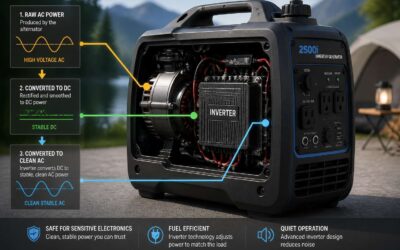
- Inverter generators known for quiet operation and efficient fuel use in tight spaces.
Key specs to note: output ranges from roughly 1.5 to 7 kW, fuel type choices, and run-time at half load. Noise levels typically sit around 50–70 dB.
For readers in South Africa considering imports, these categories and specs show how residential units balance reliability with lifestyle in power-challenged markets.
Commercial and industrial units
In Nigeria’s industrial heartlands, uptime is a critical asset and downtime a costly consequence. A single outage can ripple through production lines, adding delays and expense. Product categories for commercial and industrial installations are designed to endure: containerized, skid-mounted, and modular parallel systems.
- Containerized diesel generators—weatherproof, ship-friendly, and quick to deploy.
- Skid-mounted open-frame or enclosed units—site-ready with straightforward maintenance.
- Modular parallel systems—expandable capacity by daisy-chaining units for growing demand.
Key specs for generators in nigeria revolve around prime and standby ratings, broad output bands, and fuel choices—diesel, gas, or dual-fuel. Runtime at half-load, enclosure options to manage noise, and remote monitoring with service networks round out the equation for reliable, scalable power.
Key specs to compare
Power sings softly and sometimes roars; in Nigeria’s industrial corridors, uptime isn’t a luxury but a creed. Factories measure viability by the meter, not by whim, and the clock is tuned to the engine’s purr. For buyers scanning generators in nigeria, the first step is recognizing which form endurance wears in harsh environments.
Product categories for commercial and industrial installations are crafted to endure:
- Containerized diesel generators—weatherproof, ship-ready, and quick to deploy.
- Skid-mounted open-frame or enclosed units—site-ready with straightforward maintenance.
- Modular parallel systems—expandable capacity by daisy-chaining units for growing demand.
Key specs to compare for these generators include prime and standby ratings, broad output bands, and fuel choices—diesel, gas, or dual-fuel. Runtime at half-load, enclosure options to manage noise, and remote monitoring with service networks round out the equation for reliable, scalable power. Across Africa, including readers in South Africa, these distinctions matter when evaluating generators in nigeria.
Fuel types and efficiency
Power is the currency of progress in Nigeria’s industrial belts, where a single outage can rewrite a quarter’s forecast. “We treat uptime as non-negotiable,” a plant manager says, and the right generator becomes a steadfast ally rather than a mere machine.
Product categories for commercial and industrial installations are crafted to endure:
- Containerized diesel generators—weatherproof, ship-ready, and quick to deploy.
- Skid-mounted open-frame or enclosed units—site-ready with straightforward maintenance.
- Modular parallel systems—expandable capacity by daisy-chaining units for growing demand.
In the realm of specs, fuel types and efficiency shape long-term viability. Prime and standby ratings, broad output bands, and diesel, gas, or dual-fuel options define the core choice. Runtime at half-load and enclosure options tune noise and heat, while remote monitoring and service networks keep power flowing. For buyers looking at generators in nigeria, reliability and flexibility are guiding the installation—and the resonance extends across Africa, including readers in South Africa.
Buying Guide and Budgeting
Budget ranges for different use cases
Power gaps gnaw at productivity, and in Nigeria they linger long enough to test any team. Across markets, outages stretch into hours, not minutes, reminding us that reliable backups are more than luxury—they are lifelines. The term generators in nigeria carries weight as a practical vow.
A Buying Guide for these guardians of light prizes balance: expected runtime, peak loading, fuel type, noise, footprint, and service depth. Seek brands with clear warranties and a robust local network; cheap upfront cost often bites back with higher running costs and maintenance hassles.
- Entry-level residential/back-up: roughly NGN 180,000–450,000 for 5–8 kW units.
- Mid-range commercial/office: NGN 450,000–1,500,000 for 10–30 kW with better efficiency.
- Industrial/critical-load: NGN 2,000,000+ for 40 kW and above with premier service.
These bands help align expectations with local fuel options and maintenance needs, avoiding mismatches between need and supply.
Brand reputation and warranties
“Power resilience is a business baseline, not a bonus,” says a facility manager. In many markets outages stretch operations; in Nigeria they can linger for hours. That reality makes choosing a generator a strategic decision, not a convenience, and it demands a clear buying mindset.
When buying, brand reputation and warranties top the checklist. Look for manufacturers with clear, transferable warranties and a robust local service network; quick diagnostics and parts access reduce downtime. For generators in nigeria, the guarantee should cover core components and aftercare.
- Warranty duration and transferability
- Local service network and response times
- Availability of genuine spare parts
- Maintenance depth and service intervals
Budgeting should balance upfront price with running costs, fuel efficiency, and long-term service needs.
Where to buy in Nigeria
Power outages aren’t a nuisance; they’re the tempo of business in Nigeria. South Africa’s business leaders know uptime matters, so the same logic applies here—buying is a long-term decision, not a quick fix.
Budgeting for generators in nigeria means weighing upfront price against running costs, fuel efficiency, and maintenance needs, because downtime costs more than any sticker price.
- Authorized distributors and regional service partners
- Reputable retailers with after-sales support
- Official brand sites and trusted online marketplaces
These channels help ensure genuine parts and reliable diagnostics, keeping downtime to a minimum and total cost of ownership in check.
Financing options and payment terms
Uptime is the unsung currency of modern business, and in markets where power is fickle, a reliable generator is a strategic asset. The choice of generators in nigeria signals more than capacity—it signals resilience, efficiency, and the nerve to serve customers even when the grid falters.
Budgeting for this investment means weighing upfront price against running costs, maintenance cadence, and fuel efficiency. Financing options and payment terms should mirror cash flow realities, not glossy advertisements. Financing options include:
- Bank loans secured against equipment
- Manufacturer or authorized distributor financing
- Equipment leasing and pay-as-you-go plans
Terms can be simple or tailored: negotiate Net 30 or Net 60 payment schedules, explore maintenance bundles, and lock in warranty coverage. When buyers pair predictable terms with a solid service network, downtime stays manageable and total cost of ownership stays reasonable.
Delivery and installation considerations
Power gaps carve silence into the day, and a well-timed generator becomes a heartbeat for commerce. Across markets like Nigeria, outages strip hours from the week and erode trust; yet a steady supply can turn risk into resilience. For those imagining stability, generators in nigeria embody more than power—they signal dependability.
Budgeting for delivery and installation balances upfront investment with the quiet, enduring calm of reliable energy. Weigh site constraints, hoisting needs, and the spatial poetry of placement, all while keeping long-term maintenance in view. In South Africa’s eyes, the drama of power interruptions meets pragmatic planning, yielding a purchase that harmonizes cost with comfort.
- Site readiness and space clearance
- Access for delivery and potential crane or forklift needs
- Electrical safety, permits, and panel compatibility
- Warranty activation and service network coverage
- Fuel storage, ventilation, and spill control
Delivery timing and professional installation wind the narrative toward a handover that feels like sunrise—quiet, confident, and ready for the next chapter.
Maintenance, Safety, and Compliance
Routine maintenance schedules
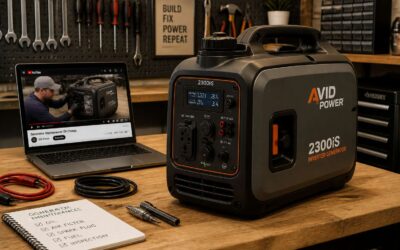
Maintenance is not a luxury; it’s the backbone of reliability. For generators in nigeria, a steady routine keeps the durables humming through Lagos-style heat and power swings. Establish a simple cadence—regular checks, cleanings, and a tidy maintenance log—and you turn reactive fixes into proactive assurance, a habit every South African reader can relate to when the grid wobbles and the startup screen glows like a lighthouse.
Safety is the quiet guardian of every installation. Prioritize proper ventilation, secure fuel handling, and trained personnel. Across borders, compliance with basic PPE and clear operating practices protects people and assets—and keeps downtime from becoming a melodrama.
Compliance ties it together with record-keeping, audits, and supplier warranties. A documented routine helps insurers and regulators breathe easier and keeps your operation dripping with credibility in a crowded market.
Safety and risk mitigation
At the edge of a storm, a well-timed maintenance routine shines like a quiet beacon. Studies say a disciplined calendar can cut unplanned outages by up to 40%. For generators in nigeria, a simple cadence—regular checks, clean filters, and a tidy log—transforms reactive fixes into proactive reassurance, a habit readers outside Lagos will understand when the grid falters.
Safety is the quiet guardian. Prioritize ventilation, secure fuel handling, and trained personnel. Here are the essentials:
- Ventilation and exhaust management
- Secure fuel storage and spill containment
- Proper PPE and trained operators
Across borders, these safeguards protect people and assets—and keep downtime from becoming a melodrama, a cornerstone of risk mitigation.
Compliance knits the effort with record-keeping, audits, and warranties. A documented cadence eases insurers and regulators while lending credibility in a crowded market. For readers in South Africa, the discipline is universal: transparent history and verifiable performance.
Local regulations and compliance
Maintenance is the quiet engine that keeps the lights steady. A disciplined regime—monthly checks, filter changes, and a tidy log—transforms fear into certainty. In generators in nigeria, this cadence isn’t optional; it’s the edge that keeps outages from turning into a crisis.
Maintenance essentials include the following:
- Regular checks
- Clean filters
- Comprehensive logs
Safety is the quiet guardian. Prioritize ventilation, secure fuel handling, and trained operators. Equip the crew with proper PPE and lockout-tagout practices to prevent rogue starts, and keep a clear start-up/shut-down protocol so issues reveal themselves before they become emergencies.
Compliance knits effort to local regulations and insurer expectations. A documented cadence—audits, warranties, transparent histories—eases inspections and lends credibility in a crowded market. Across borders, including South Africa, the discipline is universal: meticulous records safeguard people and assets.
Technological Trends and Future Outlook
Inverter vs traditional generators
Power is a rhythm of resilience, and outages sharpen the appetite for smarter energy. In nigeria, generators in nigeria are evolving from blunt workhorses into intelligent companions that harmonize with modern homes and busy workshops. The latest models whisper instead of roar, weaving with solar and storage to stretch a tank of fuel into reliability. The resonance of this shift is felt across South Africa as well, where the same longing for dependable power shapes choices.
Technological Trends favor inverter-based efficiency, modular builds, and cloud monitoring. Inverter systems adapt to load swings, deliver cleaner power, and cut fuel burn—while traditional generators speak in rugged, steady terms.
- Smart controls and remote diagnostics
- Hybrid solar-diesel configurations
- Modular, scalable units
Future Outlook hints at quieter, smarter power, with microgrids and battery buffers becoming common. The inverter-vs-traditional choice hinges on load profile, noise tolerance, and the desire for seamless network compatibility.
Smart features and remote monitoring
Power pulses like a stubborn drumbeat across Lagos and Cape Town, yet smarter engines answer with grace. A recent survey shows outages averaging five hours daily in major Nigerian cities, making generators in nigeria feel less like brute force and more like living ecosystems that breathe with homes and workshops.
Technological trends tilt toward harmony: inverter-inspired efficiency, modular skins that grow with demand, and cloud threads that quietly monitor and enable remote monitoring, predict, and adjust performance. These systems deftly ride load swings, deliver cleaner power, and trim fuel burn, all while remaining unobtrusively quiet enough for busy offices and bustling studios.
Future outlook envisions microgrids and battery buffers weaving local energy tapestries—solar, diesel, and storage speaking in one voice. The inverter-vs-traditional question softens into a preference for seamless network compatibility and remote oversight that feels almost telepathic.
Sustainability and fuel alternatives
Across Lagos’ electric horizon, generators in nigeria have become a canvas for how technology reshapes resilience. Five-hour outages daily push design toward quiet efficiency and scalable architectures, not brute force, letting homes and workshops keep pace with grace!
The future favors microgrids and flexible storage that let solar, diesel, and storage speak in one voice. Network harmony and seamless oversight will matter for readers in South Africa as much as in Lagos—showing how regional energy narratives entwine.
Sustainability paths worth watching include:
- Biodiesel blends reduce particulates and waste
- Natural gas or dual-fuel systems for cleaner burn
- Solar-plus-storage hybrids keep daytime stability
- Hydrogen-ready options for future-proofing fleets
Together, these currents reshape generators in nigeria into living energy ecosystems.
Rentals and after-sales services
Power is the quiet engine of progress—the spark behind every storefront and workshop. Across Lagos and South Africa, generators in nigeria have evolved from noisy backups into refined energy ecosystems, where rentals and after-sales networks quietly anchor resilience.
Technological trends shape the future of energy access in this region. In rentals and after-sales, flexible terms, rapid deployment, and scalable fleets meet cleaner fuels and modular cores, offering uptime with grace. A robust service spine ensures parts and technicians travel where needed, keeping the lights on during changing seasons.
- Flexible rental terms aligned to events and project loads
- On-site maintenance, rapid dispatch, and regional service hubs
- Transparent warranties, upgrade pathways, and parts accessibility

0 Comments