Overview of 8 kW generators
What is an 8 kW generator?
Power outages ripple through South Africa like a stubborn rainstorm, and an 8 kW generator stands as a steadfast lighthouse. An 8 kW generator delivers about 8,000 watts, enough to run a fridge, lights, a home modem, and a well pump without drama. For small businesses, it’s a practical heartbeat that keeps cash registers warm and doors open when the grid yawns. These generators 8kw strike a rare balance between capability and footprint, offering reliable sine-wave power, solid build quality, and maintenance that suits SA’s load-shedding rhythms.
Here are the essentials you’ll encounter with generators 8kw:
- Fuel variants: diesel, petrol, or dual-fuel to suit SA’s varied fuel availability
- Automatic start and transfer switch for seamless switchover during outages
- Compact footprint and moderated noise for home and small business environments
Key specs and capacity
Power outages in SA feel like a yearly plot twist, and the 8 kW sweet spot keeps the drama gentle. These units shoulder the daily load without screaming.
Overview and specs for 8 kW units lean into practical strength. They deliver around 8 kW of steady, true-sine power—enough for a fridge, lights, a modem, and a small pump. Fuel options include diesel, petrol, or dual-fuel, designed for SA’s grid quirks.
- Power profile: around 8 kW continuous output with clean sine-wave delivery
- Fuel versatility: diesel, petrol, or dual-fuel for accessibility
- Automation: automatic start and transfer switch for seamless switchover
- Form factor: compact footprint with moderated noise
Capacity and endurance—runtime, tank size, and motor-start bursts—shape the right pick for home or small business. In SA, these generators 8kw balance resilience with footprint across markets.
Typical use cases
South Africa’s power drama has become a yearly cliffhanger, and the steady hero is the generators 8kw that sit quietly on standby. They deliver a reliable, continuous supply to run a fridge, lights, a modem, and a small pump through outages, without turning the home into chaos.
Typical use cases include the following reliable patterns:
- Home backup for fridge, freezer, lights and modem during outages
- Small business continuity for POS, computers and Wi‑Fi
- Remote sites, farms or workshops where diesel, petrol or dual-fuel options add flexibility
In SA, easy integration with automatic start and transfer switch ensures a seamless switchover, keeping the daily rhythm intact even when the grid falters.
Power output and efficiency
In South Africa’s outage-prone landscape, a compact 8 kW unit quietly hums along, balancing power and practicality. These generators 8kw occupy the sweet spot between heavy-duty industrial units and weekend gadgets, delivering reliable output without gobbling space.
Key attributes to consider include consistent power delivery, fuel flexibility, and efficient design:
- Rated continuous output near 8 kW with a healthy reserve for brief surges
- Fuel configurations: diesel, petrol, or dual-fuel for regional fuel logistics
- Compact footprint, lower noise, and transfer-switch compatibility for automatic switchover
With SA grid conditions as the backdrop, these generators optimize runtime and reliability, keeping essential circuits alive while your coffee brews.
Types and configurations of 8 kW generators
Portable vs standby configurations
Across South Africa, power disruptions thread through daily life like a shadowed refrain. An 8 kW generator is more than metal and fuel—it’s a steady heartbeat when the lights dim. For the home and workshop, generators 8kw rise as sentinels, balancing demand and darkness with quiet grace. The choice between portable and standby goes beyond size; it’s a ritual of timing and convenience.
- Portable: wheeled, easy to move, manual start, fuels flexibility, requires fuel stops and exercise to start, suitable for construction sites and outdoor events.
- Standby: automatic transfer switch, permanent installation, seamless switchovers, designed for home protection and business continuity.
Whether you lean toward mobility or steadfast reliability, these configurations shape performance, runtime, and noise. In the theater of outages, I’ve learned that your choice becomes a quiet oath to resilience, as these generators 8kw promise a steadfast dawn.
Fuel options: gasoline, propane, diesel
Across South Africa, power disruptions thread daily life like a shadowed refrain; in this theater, generators 8kw hum as guardians of dawn, turning dim rooms into sanctuaries. They come tapered for home use, for workshops, and for remote sites, each configuration a vow to resilience.
Fuel options shape the soul of a generator 8kw: gasoline, propane, diesel—each with a caller’s tempo.
- Gasoline: quick starts, broad availability, and brisk response at a moment’s notice.
- Propane: cleaner burn, longer storage life, and lower maintenance for quieter operation.
- Diesel: enduring runtimes, robust torque, and a reputation for longevity at scale.
Each fuel option has its fit for generators 8kw, depending on your runtimes and space. Pair any fuel with a fitting configuration—portable carts for quick shifts, or standby builds with automatic transfer for seamless power in a home or small business. In the end, generators 8kw translate downtime into daylight, reliably and gracefully!
Inverter and hybrid models
Across South Africa, outages thread daily life like a shadowed refrain. For many, generators 8kw offer a calm, capable reply in inverter and hybrid flavors, delivering steady power without the drama of louder gear.
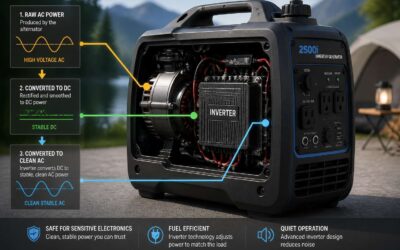
Inverter 8 kW units are built for homes and small businesses: compact, quiet, and efficient, with pure sine wave output that protects electronics and appliances. They ramp up smoothly to meet demand and sip fuel instead of burning it.
- Pure sine wave power
- Compact, quiet operation
- Smart start and load matching
Hybrid models pair a generator with batteries or solar input, letting you ride through longer outages with automatic transfers and smarter charging. These 8 kW hybrids strike a balance between resilience and footprint, appealing to users who value continuity and modern efficiency.
Noise and emissions considerations
“Power outages are the new normal,” as one SA installer likes to say, and the mood ring on every wall switch proves it. When the grid stumbles, generators 8kw become the dependable heartbeat of homes and small businesses.
Types and configurations of 8 kW units run the gamut from portable frames to standby cabinets and modular hybrids. They can be open-frame or enclosed for quieter operation, and many are parallel-ready to grow with your power needs.
- Open-frame vs enclosure options
- Portable, standby, and modular configurations
- Parallel operation with other units
Noise and emissions considerations hinge on design and location. Expect 50–70 dBA at a typical distance, with diesel weighing in on higher emissions than petrol or LPG. Mufflers, proper placement, and fuel choice matter—generators 8kw can be discreet, dependable, and compliant.
How to select the right 8 kW generator
Load calculation and demand assessment
Power reliability isn’t a luxury; it’s a baseline. How to select the right 8 kW generator starts with load calculation and demand assessment. For generators 8kw, the aim is to match capacity to real need—keep essential loads lit without waste.
Before choosing, map where power is needed and how long it must run. Consider these factors that shape the right size and configuration:
- surge vs running watt requirements for essentials
- duty cycle and expected daily runtime
- service networks and spare parts availability in SA
- noise, emissions, and installation constraints for homes and small businesses
Beyond the numbers, think about practicality: runtime, maintenance, fuel accessibility, and the supplier’s support in South Africa—especially for generators 8kw. A balanced choice blends efficiency with a solid service network, keeping home and work humming when grid power falters.
Site and installation considerations
Power reliability isn’t a luxury; it’s a baseline. For generators 8kw, site and installation matter as much as the engine that keeps lights on and budgets sane. “Power is the oxygen of modern business,” a SA facilities manager quips, and outages show up uninvited at the worst moment. Look beyond price and into footprint, airflow, and the ability to service without moving a mountain of furniture.
- Placement and clearance for airflow and service access
- Fuel storage safety and distance to living spaces
- Electrical proximity, weatherproofing, and straightforward auto-start wiring
- Local supplier networks and post-purchase support in SA
A well-chosen option balances efficiency with a reliable service network; that mix keeps homes and small businesses humming when the grid falters. Scrutinize installation constraints, local compliance, and parts availability in South Africa—the last thing you want is a stalemate with your supplier at the worst moment.
Budgeting and ownership costs
Budgeting for generators 8kw goes beyond the sticker price; ownership costs unfold like a long verse—the steady cadence of fuel, routine maintenance, and insurance against downtime. In South Africa, the true math includes installation, permits, and a service network that keeps the lights on when the grid falters.
- Upfront purchase price and installation costs
- Ongoing fuel and running costs based on load factors
- Routine maintenance, parts, and technician visit frequency
- Warranty terms and available service plans
- Permits, insurance, and downtime value in local markets
Within the SA landscape, total cost of ownership hinges on a responsive supplier network and accessible parts. The most durable choice balances upfront price with reliable aftersales—a quiet investment that keeps businesses humming through outages.
Reliability, warranty and service options
Power outages are not mere inconveniences; they’re the clockwork of risk. In South Africa, reliability is the coin of the realm—customers expect a generator that starts when the grid falters. As one facilities manager notes: “Power is not a luxury; it’s essential.”
Choosing the right 8 kW companion means weighing reliability, warranty, and service options as a triad. Look for engines with proven uptime, true-rated output at altitude, and a service network that can dispatch technicians quickly. Check warranty duration, what it covers, and the availability of service plans that include preventive checks and out-of-warranty parts.
- Local parts availability and trained technicians
- Clear, responsive service levels and guaranteed response times
- Flexible warranty and maintenance plans tailored to the SA market
With these in tow, generators 8kw become more than machinery—they become a bulwark against the shadow of outages, a steady hum beneath business momentum.
Maintenance, safety, and operation of 8 kW generators
Maintenance schedule and routine tasks
Power outages write their own headlines, and in South Africa they arrive with little notice. A dependable generator is more than gear; it’s reassurance, a quiet anchor in storm and outage alike. “Reliability isn’t a luxury,” a veteran technician notes.
Maintenance for generators 8kw follows a steady cadence: routine service, checks of fluids, and professional inspections when the calendar calls. The aim is longevity and consistent performance under peak load.
- General upkeep cadence
- Safety readiness and environment
- Documentation of service history
Safety remains non-negotiable: proper ventilation, secure placement, and stable electrical connections. Treat the unit with respect to storage and handling to protect people and property.
When operating, monitor load, respect the model’s limits, and observe sound gauges and exhaust. generators 8kw demonstrate resilience when used with mindful, steady practice.
Oil, filter, coolant and battery care
In South Africa, outages stitch hundreds of hours into the year, turning power reliability into a defining edge for businesses and homes. A dependable station in the storm isn’t merely gear—it’s reassurance, a quiet anchor when the grid falters.
Maintenance for generators 8kw unfolds with steady cadence: oil stays clean, filters stay unblocked, coolant stays at proper levels, and battery terminals stay corrosion-free. Oil, filter, coolant and battery care form the four pillars of reliability, supporting longevity and steady performance under peak load.
- Oil and filter integrity
- Coolant levels and hoses
- Battery health and charging
Safety remains non-negotiable: proper ventilation, secure placement, and stable electrical connections. Operation reveals its character in balance: the load aligns with the model’s limits, and the cooling fan’s rhythm becomes a quiet metronome as exhaust settles.
Safety practices, codes, and transfer switches
In a country where outages stretch hundreds of hours each year, the generators 8kw become more than power—it is quiet reassurance! They embody maintenance and care, demanding clean fuel, vigilant attention, and steady operation that translates darkness into daylight and doubt into momentum, letting homes and small businesses press on with grace.
Safety practices, codes, and transfer switches stand as guardians. In South Africa, a compliant installation and proper transfer switching ensure a clean, safe switchover when the grid falters.
- Code-compliant installation and professional commissioning
- Certified transfer switches for seamless auto-start switchover
- Adequate ventilation and secure placement
Operation unfolds as a measured cadence: the balance between load and capacity, and the cooling system keeping its even tempo. In this landscape of frequent outages, letting the machine find its quiet rhythm is the mark of true reliability.
Troubleshooting common issues and diagnostics
In South Africa’s theater of outages, generators 8kw aren’t merely equipment; they are quiet reassurance, a steadfast companion that turns darkness into daylight. Regular, thoughtful maintenance keeps the rhythm steady, preserving a duty cycle that many would mistake for clockwork elegance.
Diagnostics lean on recognizing patterns: hard starting, misfires, overheating, or erratic voltage. Check fuel quality, air and ignition cues, and the cooling system’s quiet efficiency. A seasoned eye flags anomalies early and calls in a technician when the symptoms refuse the obvious answer.
- Unusual noises or vibrations
- Voltage or frequency drift
- Smoke, odor, or fuel smell
Operation remains a poised balance: load demands, cooling airflow, and the quiet tempo of the unit. When used in a space with adequate ventilation and predictable power needs, it becomes a trusted partner through Eskom’s whims and South Africa’s unique load shedding rhythm.

0 Comments