Understanding Generator Prices
Factors Influencing Generator Costs
Generator prices can vary dramatically, influenced by a tapestry of factors that often catch even seasoned buyers off guard. When considering the cost, it’s essential to understand that the initial investment isn’t solely about the machine itself, but also encompasses the intricate components that make each unit unique. In South Africa, where unreliable power grids frequently disrupt daily life, the importance of choosing the right generator at the right price becomes even more critical.
One of the most significant determinants of generators prices is the power capacity. Larger, more robust generators designed to support entire homes or small businesses tend to command higher prices. Additionally, the type of fuel used—whether petrol, diesel, or renewable options—can influence cost, as each has different operational efficiencies and maintenance requirements. For those seeking durability and longevity, premium models with advanced features like automatic transfer switches and noise reduction technology will naturally come with a higher price tag.
Understanding these factors helps in making informed decisions, especially when considering the long-term value and reliability of different generator options. In the end, the true cost of a generator is a balance between upfront generators prices and the ongoing expenses that ensure uninterrupted power in everyday life.
Average Price Ranges for Different Types
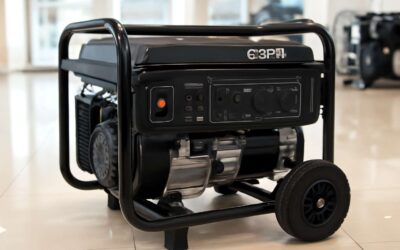
Generator prices can seem like a labyrinth, especially in a South African context where unpredictable power outages are part of daily life. The average price range for different types of generators varies significantly, influenced by capacity, fuel type, and advanced features. For instance, smaller portable generators with lower wattage generally fall within the R5,000 to R15,000 range, making them an affordable solution for light household use. Meanwhile, larger standby generators capable of powering entire homes or small businesses often command prices upwards of R30,000 to R70,000, reflecting their robust build and higher power output.
Understanding these price brackets helps buyers navigate the market with clarity. Here’s a quick overview:
- Petrol generators tend to be more budget-friendly but are less fuel-efficient for long-term use.
- Diesel models, while initially pricier, offer greater durability and lower operational costs over time.
- Renewable or hybrid generators, still emerging in South Africa, often come with premium prices but promise sustainability and lower emissions.
Ultimately, the key to investing in the right generator is balancing initial costs with ongoing expenses, ensuring reliable power without breaking the bank. The fluctuations in generators prices highlight the importance of selecting a unit tailored to your specific needs and long-term reliability.
Detailed Breakdown of Generator Price Ranges
Budget Generators
Generator prices span a broad spectrum, driven by the complexity and power output of each unit. For those venturing into the budget-friendly realm, basic models start around R3,000 to R7,000. These compact, portable options are perfect for temporary needs or smaller households, yet they lack the durability of more robust systems. As you ascend the price ladder, mid-range generators—ranging between R8,000 and R15,000—offer increased wattage, longer runtime, and enhanced fuel efficiency.
For larger homes or small commercial applications, premium generators can soar beyond R20,000, boasting features like automatic transfer switches and quieter operation. When considering generators prices, it’s crucial to understand that investing in a reliable, long-lasting unit can save you from costly repairs and frequent replacements down the line. In South Africa, fluctuating import tariffs and local market conditions also influence the final cost, making it essential to evaluate the total value rather than just the sticker price.
Mid-Range Generators
Mid-range generators present a compelling balance between affordability and performance, making them a popular choice for South African households and small businesses alike. Priced between R8,000 and R15,000, these units deliver increased wattage and longer runtimes, ensuring reliable power during those unexpected outages. What sets them apart is their ability to handle more demanding loads without sacrificing efficiency or durability.
In this price range, you’ll often find features that elevate the user experience, such as enhanced fuel economy and quieter operation. Some models incorporate automatic transfer switches, providing seamless power transition in emergencies. It’s worth noting that the cost of generators prices in this segment reflects not only their capacity but also their longevity, which is crucial given the frequent power disruptions across South Africa. A well-chosen mid-range generator can be a lifeline, powering everything from essential appliances to small business operations, all while offering peace of mind and value for money.
Premium Generators
When exploring the realm of generators prices, the spectrum extends beyond mere affordability, venturing into the territory of premium craftsmanship and technological innovation. These high-end units are not just machines; they embody resilience, sophistication, and an almost philosophical commitment to uninterrupted power supply. For those who demand the absolute best, the cost can range from R20,000 to R50,000 or more. Such investments are often justified by their ability to deliver consistent, clean energy—an essential asset in South Africa’s unpredictable power landscape.
Premium generators often feature cutting-edge advancements, including inverter technology, noise reduction systems, and advanced fuel efficiency. Some models incorporate smart controls and remote monitoring, adding layers of convenience and security. The true value, however, lies in their enduring performance and capacity to handle the most demanding loads with ease. When considering the higher end of the generators prices, it’s not just about initial expenditure but about securing peace of mind—an assurance that your power needs are met without compromise. This is where the allure of premium generators is undeniable, bridging the gap between necessity and excellence.
Cost of Maintenance and Additional Expenses
Fuel Costs
When considering the true cost of owning a generator, one often overlooks the ongoing expenses that quietly accumulate over time. Maintenance costs, for instance, can vary widely depending on the generator’s size and usage frequency. Regular servicing—like oil changes, filter replacements, and inspections—ensures optimal performance but can add up, especially for high-capacity models. Neglecting these essentials risks costly repairs or premature failure, which can inflate the overall generators prices.
Fuel costs, another significant factor, fluctuate with fuel prices and consumption efficiency. South Africa’s fuel prices have seen notable instability lately, making it crucial to factor in these expenses when evaluating the total ownership cost. To give perspective, some models might consume less fuel but come with higher initial prices, affecting long-term affordability. In fact, understanding the relationship between fuel efficiency and generator prices can help you make smarter investments, saving money in the long run.
- Oil and filter replacements
- Periodic inspections and repairs
- Fuel consumption and fluctuating fuel prices
- Potential downtime costs during maintenance
All these hidden expenses are vital considerations that influence the total price of owning a generator—beyond just the initial generators prices—making it a complex balance of upfront investment and ongoing operational costs. For South Africans relying on generators for stability, understanding these factors is essential to making a prudent, cost-effective choice.
Regular Maintenance
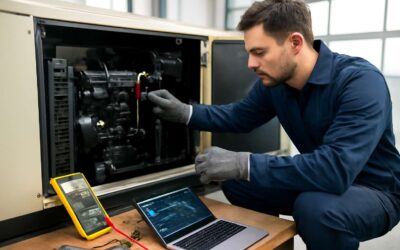
Behind the impressive facade of a robust generator lies an intricate web of ongoing expenses that often escape initial consideration. Regular maintenance is the heartbeat of a reliable power source, yet it can quietly drain your resources if neglected. Oil and filter replacements, for instance, are essential to keep your generator functioning smoothly, preventing costly breakdowns down the line. These routine tasks not only extend the lifespan of your investment but also safeguard you against unexpected failures that could lead to expensive repairs or downtime.
Additional expenses, such as periodic inspections and minor repairs, are part of the journey. They may seem insignificant at first but can add up over time, especially if maintenance is delayed or overlooked. To better understand the scope, consider these maintenance essentials:
- Oil and filter replacements
- Periodic inspections and repairs
- Monitoring fuel consumption and fluctuating fuel prices
Maintaining a generator isn’t just about avoiding breakdowns; it’s about ensuring consistent power and safeguarding your investment amidst the unpredictable terrain of generator prices. When evaluating the true cost of ownership, factoring in these hidden expenses becomes crucial—after all, the initial generators prices are only the beginning of a much longer financial story.
Optional Accessories and Add-ons
Maintaining a generator isn’t just about keeping it running smoothly; it’s about managing ongoing costs that can surprise even seasoned buyers. Regular maintenance, such as oil and filter replacements, is essential—neglecting these can lead to costly repairs down the line. These routine expenses form part of the true cost of ownership, which often gets overlooked in the initial generators prices.
Additional expenses, including periodic inspections and minor repairs, should also be factored into your budget. These aren’t just minor inconveniences—they’re investments in reliability. Monitoring fuel consumption and adjusting for fluctuating fuel prices can further impact your long-term costs. For example, larger generators with higher power output tend to have increased maintenance needs, influencing overall expenses.
- Oil and filter replacements
- Periodic inspections and repairs
- Monitoring fuel consumption and fluctuating fuel prices
Optional accessories and add-ons can also influence your total expenditure. Items like remote monitoring systems or soundproof enclosures might seem like extras, but they can significantly enhance generator performance and lifespan. These options often come with their own price tags, adding to the overall generators prices. Weighing these extras against your operational needs helps optimize your investment while keeping costs predictable.
Where to Buy Generators and Price Comparison
Retail Stores and Showrooms
In a landscape saturated with options, discovering where to buy generators becomes an art form. South Africans often find that local retail stores and showrooms are the most reliable sources for authentic products, offering a tactile experience that online shopping simply cannot match. These outlets serve as more than just points of sale—they’re gateways to expert advice, allowing consumers to gauge the quality and suitability of different models firsthand.
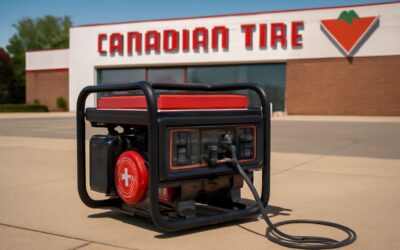
Price comparison in retail stores and showrooms reveals a fascinating spectrum. Some outlets offer competitive generators prices, especially during promotional periods, while others may charge a premium for high-end brands or exclusive features. To navigate this maze, consider creating a list of trusted dealers and visit multiple locations to compare offers. Here’s a quick look at what you might encounter:
- Major hardware stores with dedicated generator sections
- Specialist electrical and power equipment showrooms
- Authorized distributors with after-sales support
Understanding where to buy generators and how their prices stack up ensures that your investment aligns with your needs and budget, transforming what might seem like an overwhelming purchase into a calculated, almost philosophical choice about preparedness and resilience.
Online Marketplaces
In the quest for the perfect generator, knowing where to buy generators and how their prices compare can feel like navigating a minefield—without a map. South Africans increasingly turn to online marketplaces for their convenience, variety, and often, better deals. These platforms open a treasure trove of options, from compact portable units to mighty industrial models, all at your fingertips. Plus, they tend to feature transparent pricing, making it easier to compare generators prices across brands and specifications.
Online marketplaces such as Takealot, Bidorbuy, and specialized electrical equipment sites have revolutionized the way we shop for power solutions. Here, you can quickly scan through hundreds of options, read customer reviews, and spot special discounts or seasonal promotions. This digital bazaar is particularly advantageous for those who prefer to avoid the hustle of physical stores, offering the comfort of comparing generators prices from your couch.
- Check for seller ratings and reviews to ensure you’re buying from reputable sources.
- Use filters to narrow down options based on wattage, fuel type, or brand.
- Compare the total cost, including shipping and after-sales support, to get the full picture.
Whether browsing through online marketplaces or visiting local stores, understanding the landscape of generators prices empowers you to make a savvy, well-informed purchase—because in the world of power backup, knowledge truly is power.
Wholesale and Bulk Purchase Options
For those venturing into the realm of reliable power, knowing where to buy generators is akin to discovering a portal to endless energy possibilities. South Africa’s bustling marketplaces—both physical and virtual—offer a treasure trove of options that cater to every need and budget. When exploring **generators prices**, it’s vital to consider wholesale and bulk purchase options, which can transform a daunting investment into a strategic advantage.
Many suppliers and online platforms provide special discounts for bulk buyers, making large-scale power solutions more accessible and cost-effective. By engaging with wholesalers or directly negotiating with manufacturers, you can unlock significant savings on **generators prices**—especially when outfitting an entire business or community project.
- Bulk purchase discounts
- Exclusive wholesale deals
- Customized financing options
Whether you prefer the tactile experience of visiting local showrooms or the convenience of digital marketplaces, understanding the landscape of **generators prices** and wholesale options ensures a more strategic, savvy purchase. It’s not just about acquiring a power source; it’s about securing a future illuminated by the best value for your investment.
Cost-Benefit Analysis of Investing in a Generator
Long-Term Savings and Reliability
Investing in a generator isn’t just about avoiding inconvenient power outages; it’s about weighing the long-term savings against the initial investment. While the sticker price of generators prices might seem steep at first glance, consider the hidden value—reliable power, peace of mind, and the avoidance of costly downtime. A well-chosen generator can pay for itself in a matter of years, especially when you factor in potential savings on fuel and maintenance.
Furthermore, a savvy consumer recognizes that the true cost of a generator extends beyond its purchase price. Fuel costs, maintenance, and optional accessories all chip away at the budget, but they also contribute to the overall reliability and efficiency of your power solution. For those looking for an edge, exploring wholesale options or bulk purchase discounts can dramatically tilt the cost-benefit balance in your favor. Remember, the goal isn’t just to buy a generator; it’s to secure a long-term asset that offers consistent performance and peace of mind, making the initial expense seem almost trivial in comparison.
Safety and Convenience
When weighing the investment in a generator, a thorough cost-benefit analysis reveals more than just the sticker price. Sure, generators prices can seem daunting—especially when browsing premium models—but the true value lies in the safety and convenience they deliver. Imagine going days without power because of a storm, and then realizing that your purchase spared you from chaos and discomfort. It’s a trade-off where the upfront expense transforms into peace of mind and uninterrupted productivity.
For those who crave a clearer picture, consider this: the long-term savings from reliable power often outweigh the initial costs. Fuel efficiency, reduced maintenance, and optional accessories, such as transfer switches or remote monitoring, all impact overall expenses. To make smarter choices, some buyers explore wholesale and bulk purchase options, which can significantly soften the blow of generators prices. Ultimately, this investment isn’t just about buying a machine; it’s about securing a resilient power solution that makes every rand spent worthwhile—even in South Africa’s unpredictable energy landscape.
Environmental Impact
When weighing the costs of investing in a generator, a thorough cost-benefit analysis reveals more than just the sticker price. It’s tempting to focus solely on generators prices, but the true value lies in environmental impact and how your choice affects the planet. After all, a reliable generator can be a double-edged sword—delivering peace of mind while also contributing to emissions if not chosen wisely.
Environmental considerations are increasingly a part of the conversation, especially in South Africa where energy sustainability is more than just a buzzword. Opting for fuel-efficient models or those with lower emissions can significantly reduce your carbon footprint. Some models boast features like eco modes or hybrid capabilities, which, while slightly bumping up the initial generators prices, pay dividends in long-term environmental savings.
- Lower emissions
- Reduced fuel consumption
- Less environmental degradation
In the grand scheme, investing in a generator isn’t only about powering your home or business—it’s about making a conscious choice that balances cost with environmental responsibility. After all, every kilowatt generated has an environmental impact, and smart buyers are increasingly looking for options that align with green principles. So, while the initial investment might make you wince at the generators prices, the eco-friendly benefits make it a decision worth considering for a sustainable future in South Africa’s unpredictable energy landscape.

0 Comments