Understanding Electric Generator Repair
Overview of Electric Generators – Types and Uses
Electric generators are the silent guardians of modern life, quietly humming in the background, ready to spring into action when darkness strikes. They come in a mesmerizing array of types, each tailored to specific needs—be it a portable unit for a weekend camping adventure or a massive industrial powerhouse fueling entire communities. Understanding the nuances of these machines is essential in mastering electric generator repair, a craft that blends technical precision with a touch of artistry.
Among the most common types are standby generators, which automatically activate during a power outage, and portable generators, prized for their mobility and convenience. These versatile machines find their uses across various sectors—from bustling construction sites to remote rural farms in South Africa. Recognizing the unique characteristics of each generator type not only enhances repair strategies but also ensures longevity and optimal performance. When faced with the challenge of electric generator repair, appreciating the distinct nature of these devices turns a daunting task into a manageable endeavor.
Common Causes of Generator Failures – Wearing Parts, Overloads, Lack of Maintenance
Electric generator repair is a delicate dance of understanding the silent vulnerabilities that threaten these mighty machines. Quite often, failure stems from the relentless wear of parts that endure constant stress—bearings, brushes, and valves gradually losing their resilience over time. These components, like the beating heart of the generator, require vigilant attention to prevent catastrophic breakdowns. When neglected, they become the Achilles’ heel, making repairs more complex and costly.
Overloading also plays a treacherous role, akin to pushing a vessel beyond its limits, causing overheating and internal damage. This strain stresses the entire system, leading to failures that are often misdiagnosed without thorough inspection. Lacking proper maintenance further compounds these issues, as dust, dirt, and moisture infiltrate vital components, corroding connections and impairing performance. Recognizing these common causes during electric generator repair transforms a seemingly insurmountable challenge into a manageable task, ensuring longevity and dependable operation in South Africa’s demanding environments.
Importance of Timely Repairs – Preventing Downtime and Costly Breakdowns
Electric generator repair isn’t just about fixing a machine—it’s about preventing a looming disaster that can strike without warning. In South Africa’s unpredictable power landscape, a sudden breakdown can halt operations, cause financial chaos, and leave you stranded in the dark. That’s why timely repairs are crucial; they act as the first line of defense against costly downtime.
Ignoring signs of wear or neglecting routine maintenance can turn a minor glitch into a full-blown failure. Regular inspection and prompt electric generator repair ensure your equipment remains resilient against the elements, overloads, and wear-and-tear. When caught early, repairs are less invasive and significantly more affordable.
- Minimize operational disruptions
- Protect your investment from premature failure
- Maintain consistent power supply in critical environments
Every moment your generator runs smoothly, it’s a silent promise of reliability—something that becomes priceless when the power goes out unexpectedly. Don’t wait for catastrophe; embrace proactive electric generator repair to keep the lights on and your business running seamlessly.
Signs Your Electric Generator Needs Repair
Unexpected Power Loss – Signs and Troubleshooting
Few things are as alarming as when your electric generator suddenly falters, leaving you in the dark during a critical moment. Unexpected power loss is often the first sign that your generator needs urgent electric generator repair. If your generator starts sputtering or shutting down without warning, it’s a clear indication that something isn’t right. These hiccups can stem from various issues—be it worn-out parts, fuel complications, or electrical faults—each demanding professional attention.
Beyond sudden outages, other telltale signs include unusual noises, persistent vibrations, or a noticeable decrease in power output. These subtle cues can be easy to overlook but are vital clues for diagnosing underlying problems. For example, a generator that struggles to start or stalls frequently may be suffering from issues like a faulty alternator or compromised wiring. Recognizing these signs early can save you both time and money, ensuring your equipment remains reliable when you need it most. When these symptoms appear, prompt electric generator repair is essential to restore optimal function and prevent further damage.
Unusual Noises or Vibrations – Indicators of Mechanical Issues
Unusual noises or vibrations from your electric generator are more than mere nuisances—they’re siren calls warning of imminent mechanical failure. In the quiet moments of operation, a gentle whine or a rhythmic rumble might seem insignificant, but these sounds often mask deeper issues that could threaten your power source’s reliability. When your generator begins to emit squeals, grinding noises, or a persistent vibration, it’s a sign that vital components are struggling or misaligned.
These symptoms are frequently linked to worn-out bearings, loose belts, or compromised internal parts. Ignoring them can lead to catastrophic failure, leaving you in the dark when you need your generator most. Recognizing these early indicators is crucial, and professional electric generator repair ensures that minor issues don’t escalate into costly repairs. With proper attention, your generator can continue to serve as a steadfast guardian of your power needs, even amid South Africa’s unpredictable power grid.
Poor Voltage Output – Checking and Diagnosing Problems
A sudden dip in voltage output can feel like a punch to the gut for anyone relying on a steady power supply. It’s an insidious sign that your electric generator might be whispering its objections—loudly or softly—indicating it’s time for a serious check-up. When your generator’s voltage fluctuates or drops below the expected range, it’s often a telltale sign of internal issues, such as worn brushes, faulty voltage regulators, or winding problems.
Diagnosing these problems requires a keen eye and a bit of patience. Regularly monitoring your generator’s voltage output can save you from unexpected power failures. If you notice irregularities, it’s wise to call in professionals who specialize in electric generator repair. They will perform thorough diagnostics, often using specialized tools, to pinpoint the root cause before it develops into a major failure. Remember, catching these signs early can mean the difference between a simple repair and a costly overhaul.
In South Africa, where load shedding has become a part of everyday life, ensuring your generator maintains optimal voltage output is not just a matter of convenience but of survival. Whether it’s a small backup unit or a large industrial setup, recognizing the subtle cues that indicate poor voltage output can keep your power running smoothly when it’s needed most.
Frequent Tripping or Circuit Breaker Issues – Understanding Electrical Failures
Frequent tripping of your electric generator or persistent circuit breaker issues are more than mere inconveniences—they are urgent signals that something has gone awry within your power system. In South Africa’s unpredictable load shedding environment, such electrical failures can threaten not only comfort but critical operations. When your generator repeatedly trips, it often indicates an overload, short circuit, or internal fault that needs immediate attention.
Understanding the root cause is essential. Sometimes, the problem stems from a simple overload—perhaps your generator is asked to do more than it was designed for. Other times, it’s a sign of deeper issues like faulty wiring or deteriorating components. Recognizing these signs early can prevent costly repairs down the line.
- Overloaded circuits
- Worn-out circuit breakers
- Internal faults within the generator
<li-Faulty wiring
If you notice your generator frequently trips or encounters circuit breaker issues, seeking professional electric generator repair is a wise move. Skilled technicians can conduct comprehensive diagnostics to pinpoint the precise cause, ensuring your generator operates reliably when most needed.
Common Electric Generator Problems
Battery and Starting System Faults – Symptoms and Solutions
When a power outage strikes, a reliable electric generator becomes your lifeline. Yet, even the most robust systems can encounter battery and starting system faults, leaving you stranded in the dark. Recognizing the symptoms early can save you time and money on electric generator repair. For instance, slow engine cranking or failure to start after multiple attempts often signals a weakened battery or corroded connections. Corrosion buildup on battery terminals, low electrolyte levels, or a drained battery are common culprits that hinder startup performance.
Addressing these issues requires a thorough diagnosis. Sometimes, simply replacing a worn-out battery or tightening loose connections restores power swiftly. In other cases, the starter motor or solenoid may be faulty, necessitating professional electric generator repair. Be vigilant for unusual clicking sounds during startup or persistent failure to ignite—these are telltale signs of electrical faults within the starting system. Regular maintenance and prompt repairs prevent small faults from escalating into costly breakdowns, ensuring your generator remains ready when you need it most!
Oil and Fuel System Issues – Leaks, contamination, and clogging
In the intricate dance of power, the oil and fuel systems of your electric generator are the vital arteries that sustain its life force. When leaks seep into these vital chambers, or when contamination taints the delicate balance, the entire operation can falter, plunging you into unexpected darkness. Such issues, often subtle at first, can escalate swiftly—clogging filters, blocking fuel flow, or introducing impurities that choke performance and fuel efficiency.
Fuel system clogging remains a silent adversary, lurking beneath the surface until it manifests as sluggish response or complete shutdown. Regular inspection is paramount, for even the faintest leak can erode the reliability you depend on. In some cases, common problems include:
- Fuel leaks that threaten to compromise the entire system
- Contamination from dirt or water that leads to inefficient combustion
- Clogged filters or fuel lines that restrict flow and cause erratic operation
Understanding these issues allows for targeted electric generator repair, ensuring your power source remains resilient amidst South Africa’s unpredictable load-shedding schedule. When these problems strike, swift action can mean the difference between seamless operation and costly downtime, as the vitality of your power infrastructure depends on vigilant maintenance and expert intervention.
Cooling System Failures – Overheating Causes
Few issues strike a more ominous chord in the symphony of power than the relentless threat of overheating within your electric generator’s cooling system. When cooling fails, the engine’s core becomes a furnace, risking catastrophic damage that can cripple your entire power setup. Over time, accumulated dirt, debris, or corrosion can insidiously clog vital pathways, suffocating the coolant flow and igniting a cascade of failures.
Understanding the root causes of cooling system failures is vital for effective electric generator repair. Common culprits include blocked radiator vents, faulty thermostats, or diminished coolant levels. When these elements falter, the temperature gauge soars, and the generator’s vital organs are pushed perilously close to meltdown. Regular inspections and maintenance—like flushing cooling fluids and checking for leaks—are essential to keep the system resilient.
In some instances, complex issues such as faulty water pumps or damaged fans can exacerbate overheating, demanding expert intervention. Recognising the signs early—such as warning alarms, increased operating temperature, or steam emanating from vents—can save costly repairs down the line. Cooling system failure isn’t just a mechanical hiccup; it’s a threat to your entire power infrastructure, especially in South Africa’s unpredictable load-shedding landscape!
Electrical Component Failures – Stator, Rotor, and Winding Problems
Within the intricate web of an electric generator’s anatomy lie critical electrical components whose failure can plunge your power system into chaos. The stator, rotor, and winding problems are often silent saboteurs that threaten to dismantle your generator’s reliability. When these vital parts falter, the symptoms can manifest subtly—flickering voltage, unsteady power output, or complete shutdowns—yet their impact is profound.
The stator, acting as the stationary armature, can suffer from insulation breakdown or short circuits, disrupting the magnetic flux essential for electricity generation. Similarly, the rotor—responsible for creating the magnetic field—may experience worn brushes or bearing issues, causing irregular rotation and sparking instability. Winding problems, often resulting from overheating or corrosion, can lead to increased resistance, overheating, and eventual failure.
In the labyrinth of electrical failures, diagnosing these issues demands keen insight. Recognising symptoms early—such as uneven voltage or persistent tripping—can be the difference between a swift electric generator repair and costly downtime. Sometimes, the solution involves repairing winding insulation, replacing damaged rotor bearings, or troubleshooting stator coil faults. When these components falter, it’s essential to summon expert technicians equipped to restore your generator’s prowess, ensuring your power supply remains unbroken amidst South Africa’s unpredictable load-shedding saga.
Control Panel Malfunctions – Indicators of Electrical Control Failures
Few things test our patience and resilience quite like the silent malfunction of a control panel. When your generator’s indicators flicker or remain stubbornly unresponsive, it’s more than a simple glitch — it’s a warning sign that the electrical control system is failing. In South Africa’s unpredictable power landscape, these control panel malfunctions can spell disaster if left unchecked. Recognising the subtle cues—flickering lights, erratic readings, or warning alarms—is crucial for timely electric generator repair.
Control panel failures often stem from worn-out sensors, faulty wiring, or damaged circuit boards. These issues disrupt the delicate balance of your generator’s operations, leading to inconsistent power output or unexpected shutdowns. Often, the root cause is hidden beneath a layer of complexity, making professional diagnosis essential.
- Indicators of electrical control failures include persistent error codes, unresponsive buttons, or inaccurate voltage displays.
Knowing these signs early can prevent costly downtime and ensure your power remains steady during South Africa’s load-shedding crises. When control panel malfunctions occur, expert technicians are equipped to troubleshoot issues efficiently—restoring functionality and safeguarding your investment in electric generator repair.
Important Tools and Equipment for Generator Repair
Multimeters and Voltmeters – Measuring Electrical Output
In the realm of electric generator repair, precision and understanding are paramount. Among the arsenal of essential tools, multimeters and voltmeters stand as silent sentinels—guardians of electrical integrity. Their role is vital, transforming complex currents into comprehensible data that guides the repair process with unwavering accuracy.
These instruments measure the electrical output of a generator, revealing hidden faults that might otherwise evade detection. A multimeter, versatile in function, can test voltage, current, and resistance, offering a comprehensive snapshot of the generator’s electrical health. Meanwhile, a voltmeter specializes in the delicate task of gauging voltage levels, ensuring they align with manufacturer specifications. Properly calibrated, they become the eyes and ears of the technician, illuminating issues lurking within wiring and control systems.
For those engaged in electric generator repair, investing in high-quality multimeters and voltmeters is non-negotiable. They are the compass and map in the intricate journey of restoring power—tools that turn troubleshooting from guesswork into a precise craft. Without them, diagnosing electrical anomalies is like navigating uncharted waters blindfolded.
Wrench Sets and Screwdrivers – Mechanical Repairs
In the intricate dance of electric generator repair, no tool is more trusted than the humble wrench or screwdriver—yet their importance cannot be overstated. These mechanical marvels serve as the gateway to accessing hidden compartments of the generator’s core, allowing technicians to perform precise adjustments or replacements that keep the power flowing seamlessly. Without them, even the most skilled repair expert is akin to a blacksmith without a hammer or an artist without a brush.
Choosing the right wrench set and screwdrivers is crucial. A comprehensive wrench set should include adjustable wrenches, socket wrenches, and Allen keys, each tailored to handle the diverse fasteners found within various generator models. Meanwhile, a set of high-quality screwdrivers—flat-head and Phillips—must be robust enough to endure repeated use without stripping screws or slipping mid-task. The right tools transform a daunting challenge into a manageable mission, ensuring every bolt and screw is secured with confidence.
In the realm of electric generator repair, these tools become almost mythical artifacts—key to unlocking the secrets of mechanical integrity. Properly maintained, they serve as the foundation of a successful repair journey, turning complex mechanical issues into straightforward fixes. Every technician recognizes that a well-stocked toolkit with dependable wrench sets and screwdrivers is the backbone of efficient, reliable generator maintenance in South Africa’s rugged landscapes and bustling cities alike.
Insulation Testers – Checking Wiring Integrity
In the meticulous realm of electric generator repair, ensuring the integrity of wiring and electrical components is paramount. Insulation testers stand as silent sentinels, their role often overlooked yet absolutely essential. These tools delve deep into the labyrinth of wiring, revealing hidden faults that could precipitate catastrophic failures if left unchecked.
Using an insulation tester involves applying a high-voltage signal to the wiring and measuring the resistance. Low resistance readings indicate deteriorated insulation, which can lead to shorts or electrical fires—an unthinkable risk in generator repair. Trustworthy insulation testers allow technicians to detect these issues early, preventing downtime and costly damage.
For comprehensive diagnostics, technicians often rely on a combination of tools, including multimeters and specialized insulation testers, to scrutinize wiring integrity. Such precision instruments facilitate pinpoint accuracy in identifying faults, ensuring that every component functions harmoniously within the complex electrical ecosystem of the generator. When electrical component failures threaten the stability of your power supply, these tools become the critical difference between a quick fix and prolonged outage.
Replacement Parts – Spare Fuses, Brushes, and Filters
When tackling electric generator repair, having the right tools and replacement parts at hand can mean the difference between a swift resolution and a prolonged outage. Essential components like spare fuses, brushes, and filters are often overlooked but are fundamental to maintaining optimal generator performance. These small yet critical items ensure your generator runs smoothly, especially during emergencies when every second counts.
Spare fuses protect your system from electrical surges, preventing costly damage to sensitive components. Brushes, on the other hand, facilitate the efficient transfer of current within the alternator, reducing wear and tear over time. Filters—whether oil, air, or fuel—keep contaminants out, safeguarding the internal mechanisms from clogging and corrosion.
In the realm of electric generator repair, it’s wise to keep an organized inventory of these replacement parts. For example, maintaining a stock list like:
- Spare Fuses
- Carbon Brushes
- Air and Oil Filters
ensures quick access during troubleshooting. When every component is in prime condition, the likelihood of unexpected failures diminishes, and your operation continues seamlessly. Having these vital parts ready for immediate installation can make all the difference in minimizing downtime, especially in critical applications across South Africa.
Step-by-Step Guide to Electric Generator Repair
Diagnosing the Issue – Systematic Troubleshooting
Electric generator repair is a meticulous dance of diagnosis and precision. When the power falters unexpectedly, it’s tempting to jump straight into repairs, but a systematic troubleshooting approach ensures you identify the root cause efficiently. The first step involves assessing the symptoms—are there unusual noises, voltage inconsistencies, or frequent circuit breaker trips? These clues guide your inspection.
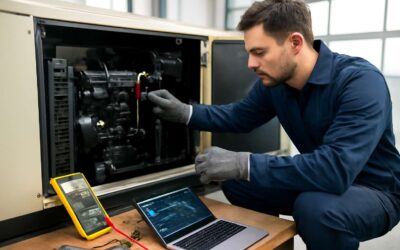
Next, harness the power of diagnostic tools such as multimeters and insulation testers. By measuring electrical output and wiring integrity, you can uncover hidden faults that compromise performance. For instance, low voltage output might hint at stator or winding issues, while erratic circuit breaker trips could reveal electrical component failures. Carefully examining the control panel for malfunctions often unearths overlooked electrical issues.
In some cases, a simple visual inspection paired with a systematic troubleshooting checklist can reveal leaks, contamination, or overheating signs. Remember, establishing a logical sequence—checking fuel systems before electrical components—saves time and prevents further damage. Mastering this step-by-step guide to electric generator repair transforms a daunting challenge into a manageable task, ensuring your generator runs smoothly and reliably in South Africa’s demanding environment.
Preparing the Workspace – Safety Precautions
Preparing the workspace for electric generator repair is a step that often goes underappreciated, yet it can make the difference between a quick fix and a costly mistake. Safety should always be the priority, especially when dealing with high-voltage electrical components. Ensuring the area is clear of clutter and potential hazards creates a safe environment for both the technician and the equipment.
Switch off the generator and disconnect it from the power source before starting any work. Wearing appropriate personal protective equipment—such as insulated gloves and safety goggles—is non-negotiable. A well-organized workspace not only reduces risks but also enhances efficiency, allowing the repair process to proceed seamlessly.
To further streamline your electric generator repair process, keep essential tools close at hand. Consider creating a checklist:
- Gathering all necessary spare parts
- Checking for leaks or signs of overheating
- Ensuring proper lighting and ventilation
Such preparation guarantees that your troubleshooting session is thorough and less prone to interruptions. Remember, meticulous workspace preparation isn’t just a good practice—it’s the foundation for a successful repair in South Africa’s unpredictable climate and demanding operational conditions.
Shutting Down and Disconnecting – Proper Safety Protocols
Electric generator repair is a meticulous craft that demands unwavering respect for safety protocols. Before embarking on any repair journey, it’s vital to shut down the generator completely and disconnect it from the power source. This isn’t merely about convenience—it’s about safeguarding your life and the integrity of the equipment. High-voltage electrical components can be unpredictable, especially in South Africa’s climate where sudden power surges and fluctuations are commonplace.
One crucial step is to ensure that the workspace is free of clutter and potential hazards. Wearing insulated gloves and safety goggles is not optional; it’s the moral duty of any technician to protect themselves from unexpected electrical shocks or flying debris. Proper safety procedures serve as the foundation for efficient electric generator repair, preventing costly mistakes and ensuring a smooth troubleshooting process.
To streamline your work, consider creating a systematic approach. An ordered checklist can include:
- Verifying the generator is fully powered down and disconnected
- Inspecting for visible leaks or signs of overheating
- Ensuring adequate lighting and ventilation in the workspace
This careful preparation transforms a potentially hazardous task into a precise and controlled operation. Remember, in the realm of electric generator repair, safety isn’t just a guideline; it’s a moral imperative that safeguards lives and prolongs the lifespan of crucial machinery in South Africa’s demanding operational conditions.
Performing Repairs – Replacing Faulty Components, Fixing Wiring
Embarking on electric generator repair is a journey into the heart of machinery that sustains vital operations, especially in South Africa’s unpredictable climate. When a generator falters, it’s often a symptom of deeper issues—faulty components or compromised wiring—that demand meticulous attention. Replacing damaged parts isn’t just about swapping out pieces; it’s about restoring the machine’s integrity and ensuring uninterrupted power supply.
To perform effective repairs, begin with a thorough diagnosis. Carefully inspect for signs of wear, corrosion, or overheating, which often signal deeper electrical faults. Once identified, the process of replacing faulty components can unfold systematically. Here’s a simplified step-by-step approach:
- Disconnect the generator from its power source completely, ensuring safety before proceeding.
- Remove the damaged parts—be it brushes, fuses, or control panel components—using the appropriate tools.
- Replace these with high-quality, compatible spare parts to restore optimal functionality.
- Fix wiring issues by checking for loose connections or signs of insulation failure, then re-secure or replace wiring as necessary.
Throughout this process, ensure the workspace remains organized and well-lit, with electrical safety protocols strictly observed. In the world of electric generator repair, precision isn’t just a virtue—it’s a necessity. Every step taken with care prolongs the lifespan of machinery and safeguards lives amid South Africa’s demanding operational landscape.
Testing and Final Checks – Ensuring Proper Functionality
Once the repairs are meticulously completed, the next vital chapter in electric generator repair unfolds—testing and final checks that breathe life back into the machine. This phase is akin to a symphony tuning itself before the grand performance, ensuring every component harmonizes perfectly. It is in these moments that precision becomes paramount, as even the slightest discrepancy can herald future troubles.
Begin by conducting a comprehensive inspection of all replaced parts and repaired wiring. Use a multimeter to measure the electrical output, verifying that voltage and current levels align with the manufacturer’s specifications. A steady, stable power flow signifies that the repair has restored the generator’s integrity. For added assurance, perform a series of load tests to simulate operational conditions, observing how the generator performs under stress.
To streamline this process, consider following this simple ordered checklist:
- Reconnect the generator to its power source with all safety protocols observed.
- Start the generator and monitor initial startup behavior for any irregularities.
- Use electrical testing tools to confirm output consistency and proper voltage regulation.
- Observe the system for unusual vibrations, noises, or overheating signs.
- Document all readings and compare them against baseline data to confirm optimal functionality.
When every detail aligns, and the generator hums with renewed vigor, it signifies a successful electric generator repair. This final phase is not just about confirming functionality; it’s about restoring trust in a machine that sustains vital operations amidst South Africa’s unpredictable power landscape. Precision, patience, and a keen eye for detail are the secret ingredients to ensuring your generator stands resilient for years to come.
When to Seek Professional Electric Generator Repair Services
Complex Electrical Repairs – High Voltage and Control Systems
When the hum of your electric generator falters and the lights flicker in defiance, it’s a clarion call for professional intervention. Complex electrical repairs—particularly those involving high voltage and control systems—demand a deft touch and a seasoned eye. These intricate components form the heartbeat of your power source, and their failure can cascade into catastrophic downtime if not addressed with precision and expertise.
High voltage systems are the guardians of power stability but are also fraught with risks that only trained technicians can navigate safely. Control systems, the command centers of your generator, are delicate yet vital; their malfunction can lead to erratic performance or complete shutdown. When symptoms such as persistent circuit breaker trips, erratic voltage fluctuations, or unexplained control panel malfunctions emerge, it’s a sign that expert electric generator repair is urgently needed. Attempting DIY fixes on these complex electrical repairs can be perilous, underscoring the importance of calling in qualified professionals who understand the nuances of high voltage and control systems.
In the realm of electric generator repair, patience and precision are paramount. Recognizing the subtle signs of electrical control failures before they escalate can save you from costly repairs and extended outages, especially in critical environments where power certainty is non-negotiable. Trusting skilled technicians ensures your generator returns to its optimal rhythm—resilient, reliable, and ready to serve when you need it most.
Persistent or Repeated Failures – Underlying Issues
When persistent or repeated failures plague your electric generator, it’s a siren’s call that should not be ignored. These recurring issues often mask deeper, more insidious underlying problems—problems that only seasoned technicians can unravel. Ignoring these signs risks cascading failures that could leave you powerless in moments of crucial need. In South Africa’s unpredictable climate, where power stability is often a fragile lifeline, trusting in professional electric generator repair becomes a matter of necessity, not choice.
Repeated circuit breaker trips, inconsistent voltage output, or unexplained shutdowns are symptoms that demand expert intervention. These are not mere inconveniences but harbingers of potential catastrophe if left unaddressed. Recognizing when to seek professional electric generator repair isn’t just about restoring functionality; it’s about safeguarding your operational integrity and peace of mind. When the signals become persistent, it’s time to call in those with the skill to diagnose and resolve the complex electrical labyrinth within your generator.
- Unusual electrical behavior that persists despite basic troubleshooting
- Frequent outages that interrupt critical operations
- Visible signs of wear or damage on electrical components
- Repeated circuit breaker trips or voltage instability
In such moments, the expertise of qualified technicians transforms from a luxury into an imperative. Their mastery ensures your generator’s resilience, preventing minor issues from blossoming into full-blown failures. Investing in professional electric generator repair safeguards your power supply, ensuring reliability amid the unpredictability of South Africa’s power landscape.
Lack of Technical Expertise – Safety Concerns
When the intricate dance of electrical currents within your generator falters, it’s a cry for professional electric generator repair. A lack of technical expertise can turn a seemingly minor glitch into a perilous predicament, risking damage that no novice can adequately address. Safety concerns are paramount—electricity is unforgiving, and improper handling can lead to severe injuries or catastrophic failures. Trusting qualified technicians ensures that repairs are performed with precision, safeguarding both personnel and equipment.
In some cases, the symptoms are subtle yet insidious—persistent electrical irregularities that resist basic troubleshooting, or unexplained shutdowns that threaten to cripple vital operations. Recognizing when to seek expert intervention is critical.
- Unusual electrical behavior despite troubleshooting attempts
- Repeated circuit breaker trips or voltage instability
- Visible signs of electrical wear or damage
Attempting to conduct electric generator repair without the proper knowledge can inadvertently exacerbate problems, leading to costly downtime and unsafe conditions. Skilled technicians possess the nuanced understanding necessary to diagnose complex electrical faults, ensuring your power source remains resilient in South Africa’s unpredictable climate. When technical expertise is lacking, the risk isn’t just a faulty generator—it’s personal safety and operational continuity that hang in the balance.
Warranty and Insurance Considerations – Professional Maintenance Benefits
When considering electric generator repair, understanding warranty and insurance considerations can save both money and peace of mind. Many manufacturers offer limited warranties that cover specific parts and repairs, but these often require regular professional maintenance to remain valid. Attempting DIY repairs or neglecting scheduled service can void your warranty, leaving you exposed to hefty out-of-pocket expenses.
Insurance policies also play a crucial role—covering damage caused by electrical faults or unforeseen failures. It’s essential to review your policy and confirm that professional repair services are recognized within your coverage parameters. Generally, insuring your generator for operational reliability means trusting qualified technicians, especially when complex electrical repairs are needed.
Professional maintenance not only preserves warranty validity but also ensures that repairs adhere to safety standards. This reduces the risk of future failures, which could be costly and dangerous. A well-maintained generator backed by expert electric generator repair services becomes a resilient asset, capable of enduring South Africa’s unpredictable power landscape.
Preventative Maintenance Tips for Electric Generators
Regular Inspection and Testing – Monitoring Performance
Keeping your electric generator in tip-top shape isn’t just about avoiding embarrassing power outages — it’s about safeguarding your entire operation. Regular inspection and testing serve as the backbone of effective electric generator repair, catching issues before they become catastrophic. Think of it as a health check-up, but for your power source; when performed consistently, it can extend the lifespan of your equipment and save you a small fortune in repairs down the line.
Monitoring performance through vigilant testing helps identify subtle shifts in efficiency or output—those tiny red flags that often precede major failures. For example, keeping an eye on voltage output and fuel consumption can reveal underlying mechanical or electrical issues. Implementing a routine of scheduled inspections, combined with performance logs, ensures that your generator remains reliable even during unforeseen power needs.
- Check oil and coolant levels regularly
- Inspect belts, hoses, and filters for wear and tear
- Test safety shutdown systems and alarms
- Examine electrical connections for corrosion or looseness
By integrating these preventative measures into your maintenance routine, you’re not just avoiding costly electric generator repair — you’re ensuring peace of mind, no matter how power-hungry your South African operations become.
Changing Fluids and Filters – Maintaining Coolant and Fuel Systems
Maintaining the health of your electric generator is an ongoing commitment that pays dividends in reliability and longevity. One of the most critical preventative measures is changing fluids and filters—an often overlooked step that can drastically reduce the risk of costly electric generator repair. Fresh coolant keeps your system from overheating, especially vital in South Africa’s scorching climate, where thermal stress can accelerate wear.
Similarly, replacing fuel filters ensures your generator runs smoothly without contamination clogging the system. Dirty fuel can cause incomplete combustion and damage vital components. Regularly inspecting and changing these fluids and filters helps prevent mechanical breakdowns and keeps your generator operating at peak efficiency.
For optimal results, follow a systematic approach:
- Drain old coolant and replace with high-quality refrigerant suitable for your generator model.
- Inspect and replace fuel filters periodically, especially if your operation involves dusty or contaminated environments.
- Check for leaks or signs of corrosion during each maintenance cycle to avoid unexpected failures.
Integrating these simple yet essential steps into your maintenance routine ensures your generator’s cooling and fuel systems remain pristine. This proactive stance not only reduces the need for emergency electric generator repair but also guarantees seamless power supply, even under the most demanding circumstances.
Cleaning and Upkeeping – Avoiding Dust and Debris Accumulation
In the relentless dance of machinery and power, dust and debris lurk as silent saboteurs, threatening the vitality of your electric generator. South Africa’s rugged terrain and arid climate amplify these risks, making vigilant cleaning not just an act of maintenance but a safeguard against unexpected failure. A neglected generator, choked by grime, can falter when power is most desperately needed—an outcome no one desires.
Preventative maintenance begins with a simple yet crucial step: regular cleaning. Carefully inspect the exterior, removing accumulated dust and debris that can clog vents and obstruct airflow. A clean cooling system ensures optimal heat dissipation, reducing the likelihood of overheating—one of the most insidious causes of electric generator repair. During each service cycle, contemplate a detailed internal check, seeking out hidden dirt that might compromise electrical components or reduce efficiency.
To aid this process, consider implementing a systematic cleaning routine:
- Turn off and disconnect the generator, ensuring safety before touching any internal parts.
- Use compressed air or soft brushes to gently dislodge dust from vents, radiators, and fan blades.
- Wipe down surfaces with non-abrasive, anti-static cleaners to prevent static buildup and corrosion.
- Inspect filters and replace them if they show signs of clogging or excessive dirt.
By maintaining a pristine environment around your generator, you not only prolong its lifespan but also fortify it against the unpredictable whims of South Africa’s climate. Dust and debris are relentless adversaries, but with consistent upkeep, your power source will stand resilient, powering through the storms and heat with unwavering resolve. Remember, each act of cleaning is a silent promise—a pledge to keep the heart of your operations beating strong, avoiding the costly pitfalls of emergency electric generator repair.
Professional Servicing Intervals – Scheduled Maintenance Plans
In the high-stakes world of electric generator repair, timing truly is everything. An unplanned outage can grind entire operations to a halt faster than a South African summer heatwave. That’s why implementing professional servicing intervals and scheduled maintenance plans isn’t just good practice; it’s the secret sauce for keeping your power source firing on all cylinders. Regularly scheduled check-ups help catch minor issues before they snowball into costly breakdowns, saving you both time and money.
For optimal performance, consider establishing a systematic approach—like a well-oiled machine—using an ordered maintenance routine:
- Inspect and clean the cooling system to prevent overheating—a common culprit behind generator failure.
- Examine electrical connections for corrosion or looseness that could cause unexpected power loss.
- Replace filters and fluids as part of your routine, because clogged filters are just like bad coffee—bad for the system and nobody’s friend.
By adhering to a structured maintenance schedule, you ensure your electric generator remains resilient against the unpredictable South African climate. Remember, consistent preventative care isn’t just about avoiding emergency electric generator repair; it’s a strategic move to keep the power flowing smoothly and your business humming along without interruption.

0 Comments